
Loading, please wait...
LOT 2034
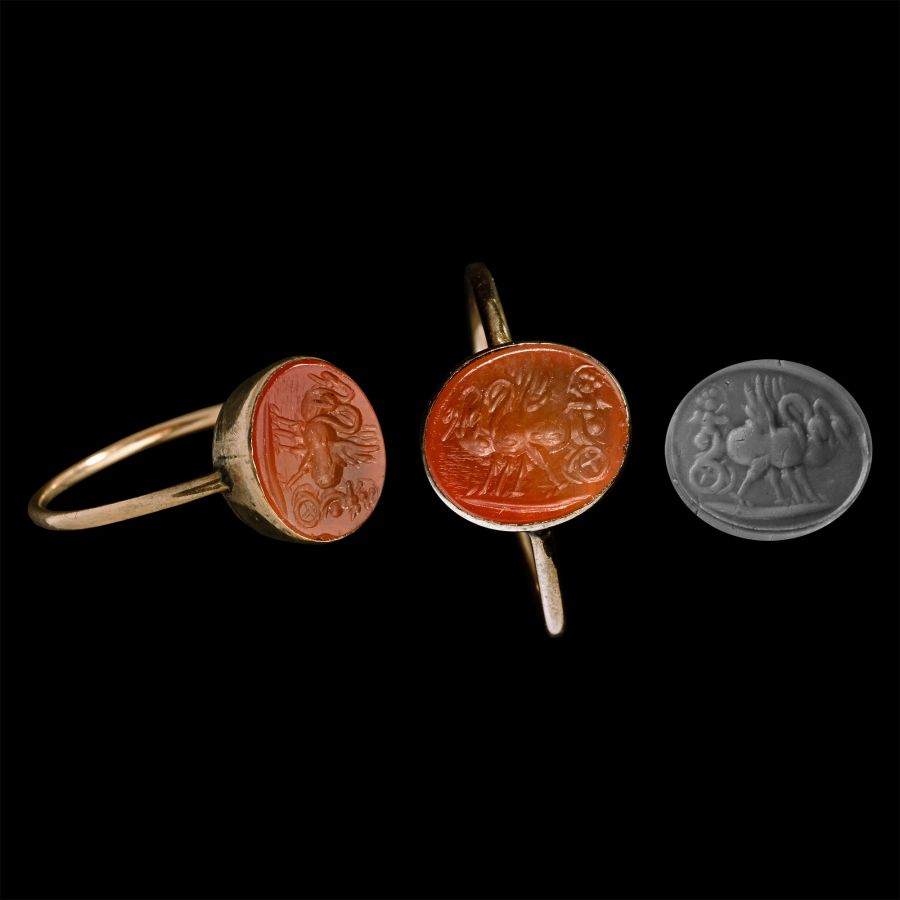
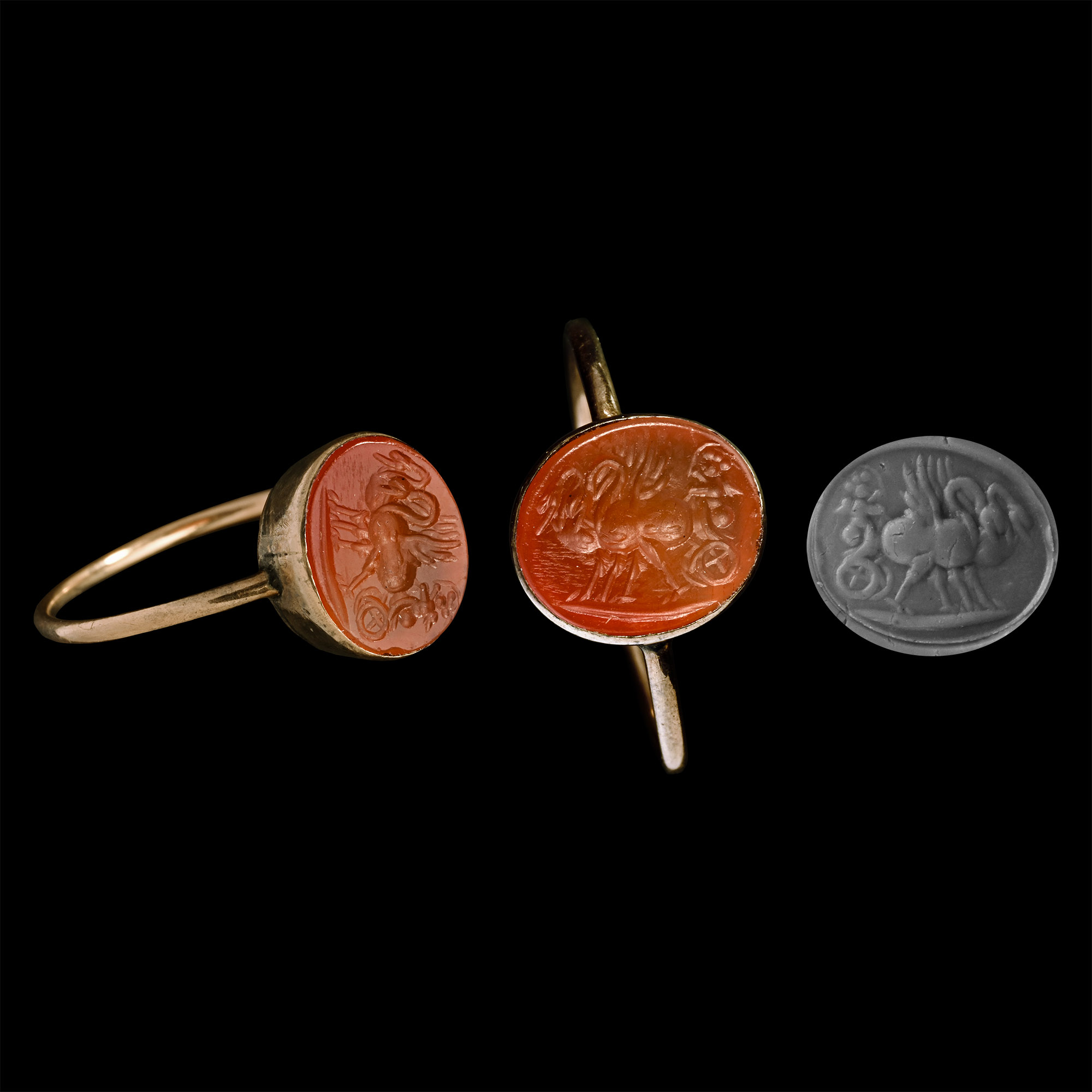
Sasanian Style Gold Ring with Cupid and Chariot
18TH CENTURY A.D.
7/8 in. (1.62 grams, 22.03 mm overall, 18.31 x 16.45 mm internal diameter (approximate size British O, USA 7, Europe 14.98, Japan 14)).
Slender hoop with cell set with a carnelian intaglio of Cupid driving a chariot pulled by two swans; supplied with a museum-quality impression.
ProvenancePrivate collection, Europe.
Acquired on the English art market.
TimeLine Auctions follows a vetting process to ensure the authenticity and legality of all items, reinforcing our commitment to integrity and responsible trading. Each antiquity, antique, and coin lot undergoes thorough examination by a vetting committee of at least ten external specialists, professional trade association members, scientists, and archaeologists: Our Vetting Process
AUCTIONS:
TimeLine is a leading auction house specialising in antiquities, ancient art, collectables, natural history, coins, medals, and books. Our auctions offer museums, collectors, historians, and enthusiasts the opportunity to acquire unique and historically significant pieces.
LOT 2034
Sasanian Style Gold Ring with Cupid and Chariot
Estimate £500 - 700€580 - 810 (for guidance only)$680 - 950 (for guidance only)
-
.jpg)
Silver Ring with Inscription to the Sides
20th century A.D.Sold for (Inc. bp): £20
With a keeled hoop having a Greek-style inscription on both sides beneath the bezel, expanding shoulders with triangular panels engraved with palmettes, a tiered bezel, the lower level with an incised Greek key design to the short edges, the second level with a zig-zag pattern around the perimeter, and the round top part with an incised bird motif. 10.38 grams, 27.41 mm overall, 17.36 mm internal diameter (approximate size British N, USA 6 1/2, Europe 13.72, Japan 13)
Ex London art market, 1990s. -
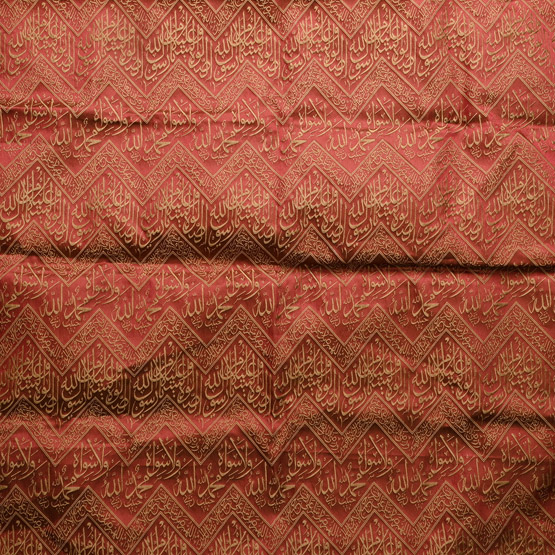
Western Asiatic Lined Calligraphic Table Cloth
20th century A.D.Sold for (Inc. bp): £338
Rectangle of crimson fabric on coarse carrier textile; dense zigzag layers of calligraphic text in various sizes. 260 grams, 77.5 x 85 cm
Private collection, UK. -
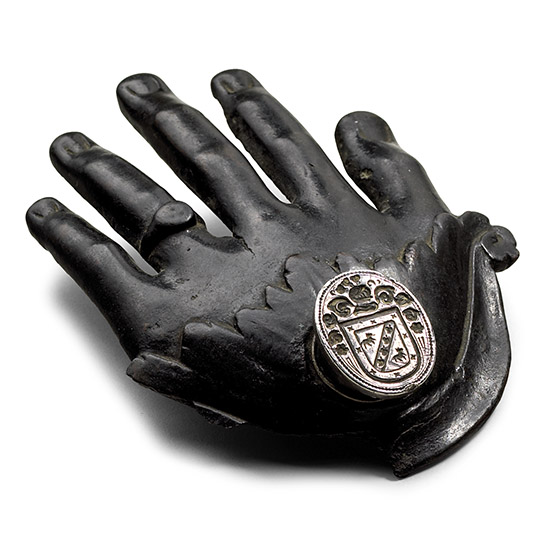
Italian Bronze Hand-Shaped Desk Seal
17th century A.D.Estimate: £2,000 - 3,000 (+bp*)
Opening Bid: £1,000
Formed as a left hand with flange rim to the cuff and wrist, ring to the third finger; stud to the reverse with geralfic seal, heater shield with helmet and lambrequin, underside with stud and profile bust. 453 grams, 13.5 cm
Acquired on the UK art market. Private collection, England. This lot has been checked against the Interpol Database of stolen works of art and is accompanied by search certificate number no.13087-249670.
In the 17th century, Italian noble seals were crucial heraldic instruments, depicting family crests, often surmounted by crowns (counts, marquises, princes) or helmets, and enriched with family specific symbols (e.g., vines for the Panevinos), portraits on horseback, or elements linked to ecclesiastical offices (papal keys) to authenticate documents, reflecting the prestige and authority of noble houses and civic patricians.
