
Loading, please wait...


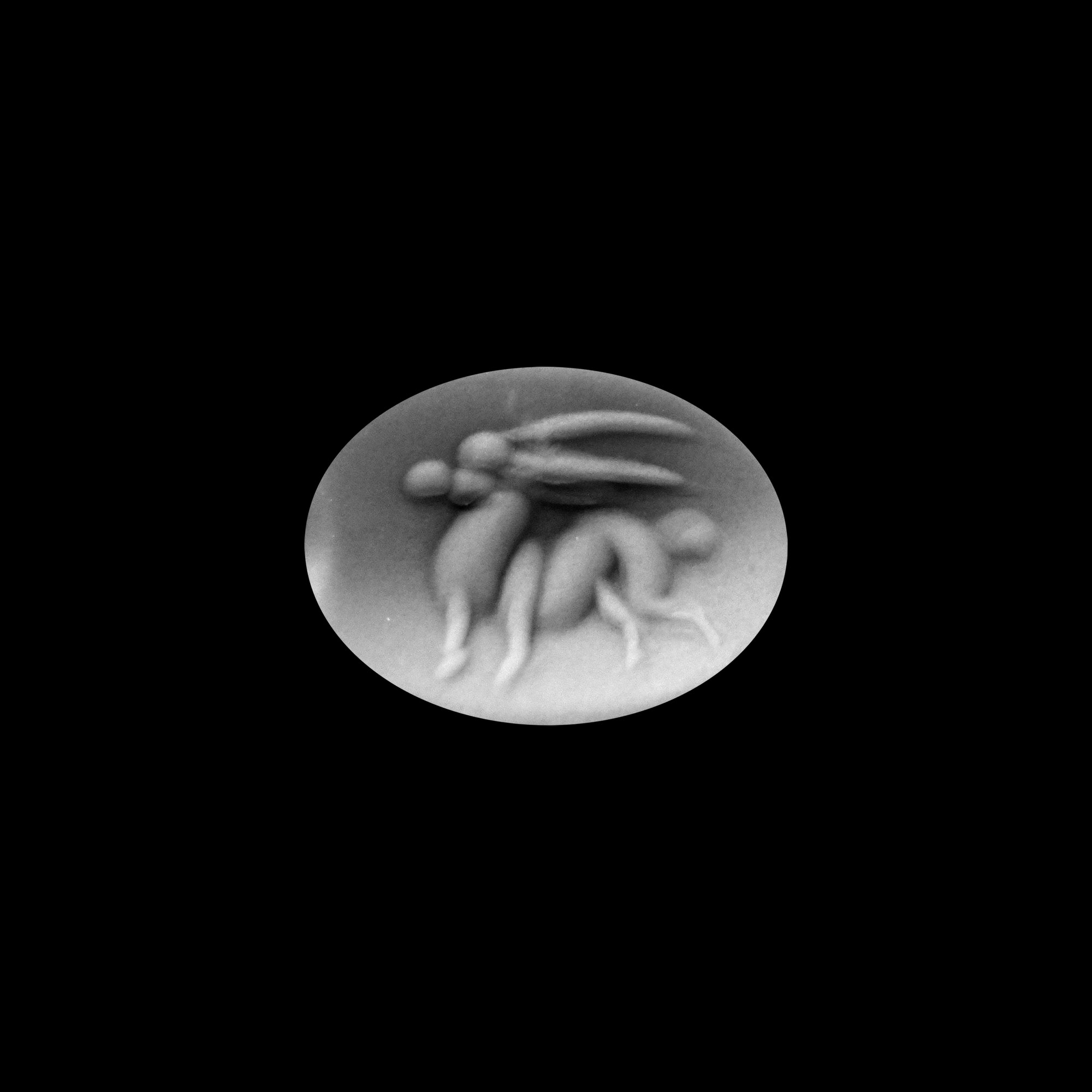
LOT 0227
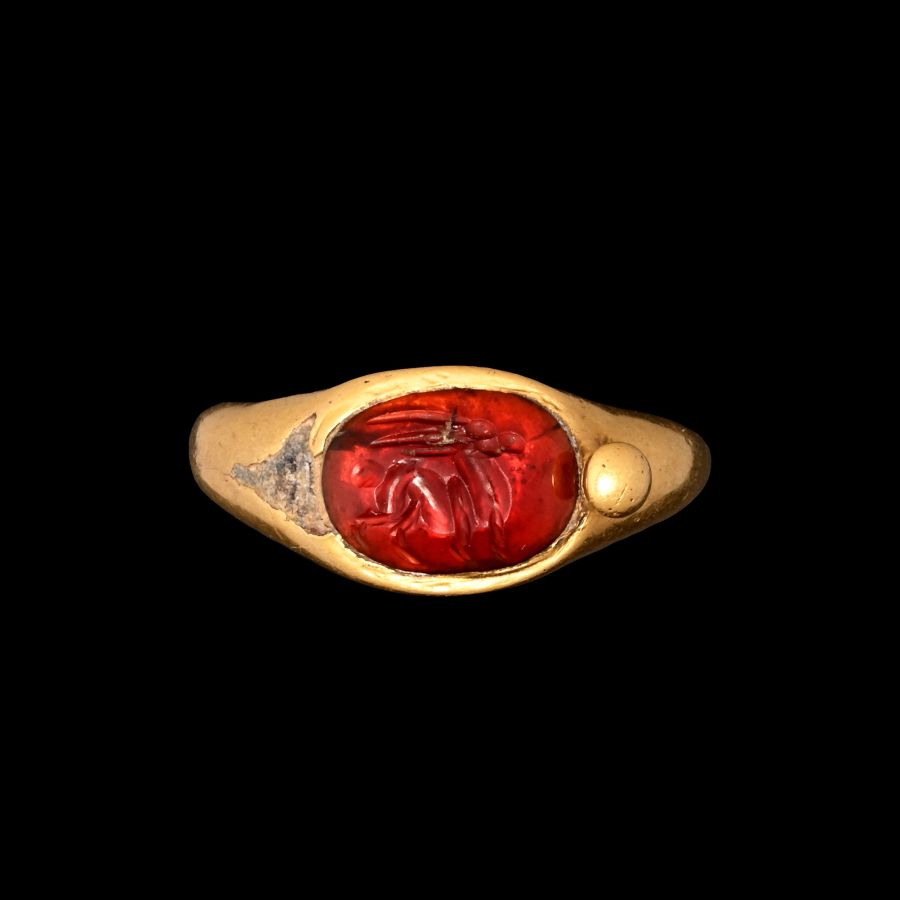
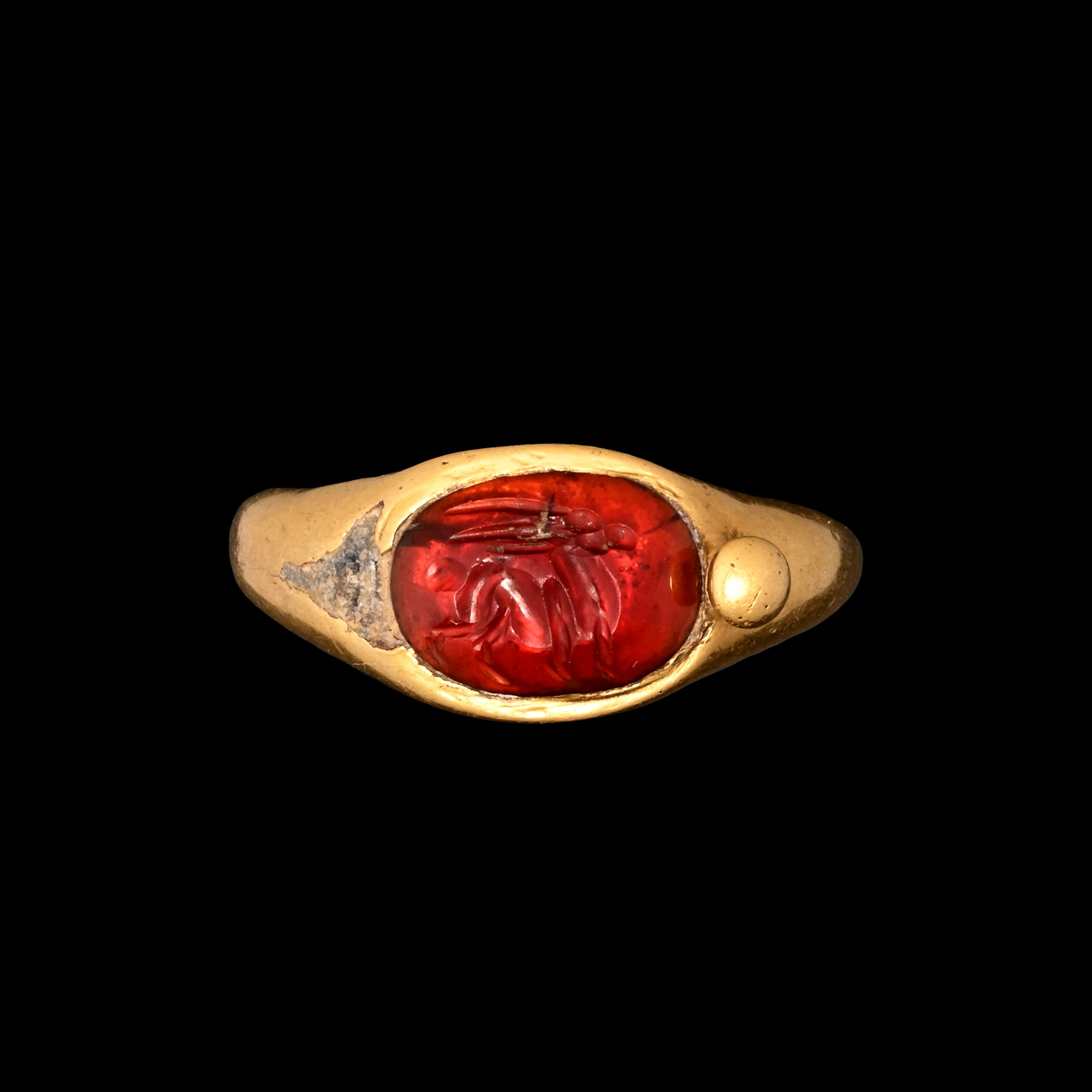
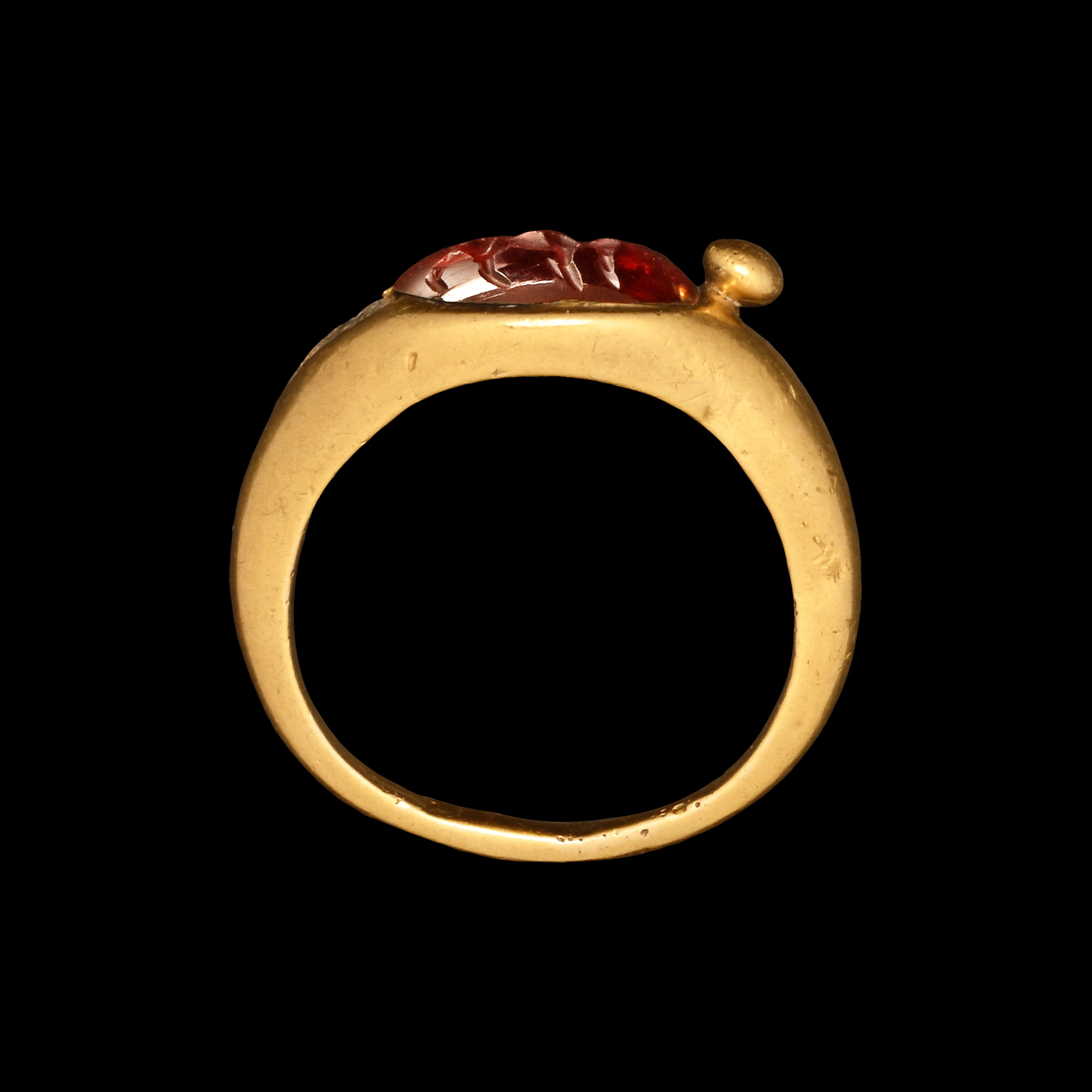
Sasanian Gold Ring with Garnet Gemstone of an Ibex
3RD-4TH CENTURY A.D.
7/8 in. (6.00 grams, 22.16 mm overall, 17.21 x 16.14 mm internal diameter (approximate size British L 1/2, USA 6, Europe 11.87, Japan 11)).
With a characteristic knop to one shoulder, an ellipsoid plaque with cell and inset intaglio, advancing ibex; hollow-formed; supplied with a museum-quality impression.
ProvenanceFrom a privately held London, UK, collection from the 1990s.
LiteratureCf. Chadour, A.B., Rings. The Alice and Louis Koch Collection, volume I, Leeds, 1994, item 485, for type.
CONDITIONTimeLine Auctions follows a vetting process to ensure the authenticity and legality of all items, reinforcing our commitment to integrity and responsible trading. Each antiquity, antique, and coin lot undergoes thorough examination by a vetting committee of at least ten external specialists, professional trade association members, scientists, and archaeologists: Our Vetting Process
AUCTIONS:
TimeLine is a leading auction house specialising in antiquities, ancient art, collectables, natural history, coins, medals, and books. Our auctions offer museums, collectors, historians, and enthusiasts the opportunity to acquire unique and historically significant pieces.
LOT 0227
Sasanian Gold Ring with Garnet Gemstone of an Ibex
Estimate £1,000 - 1,400€1,160 - 1,620 (for guidance only)$1,350 - 1,890 (for guidance only)
-
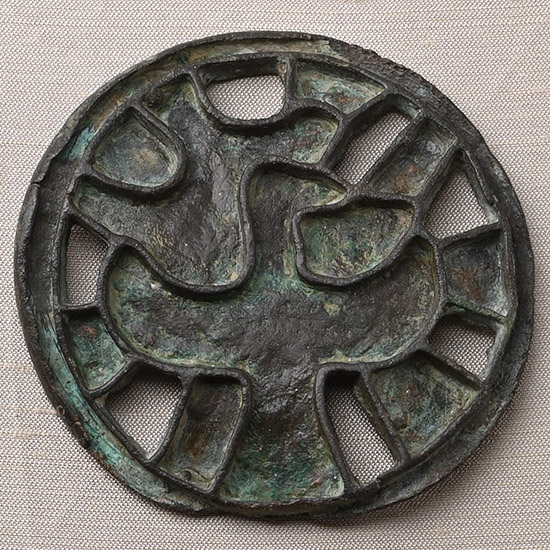
Bactrian Bronze Stamp Seal of a Bird
2nd millennium B.C.Sold for (Inc. bp): £156
Openwork disc with segmented detailing, mounted in a wooden frame. 298 grams total, seal: 58.6 mm
Ex London, UK, gallery, 1971-early 2000s. London, UK, collection. -
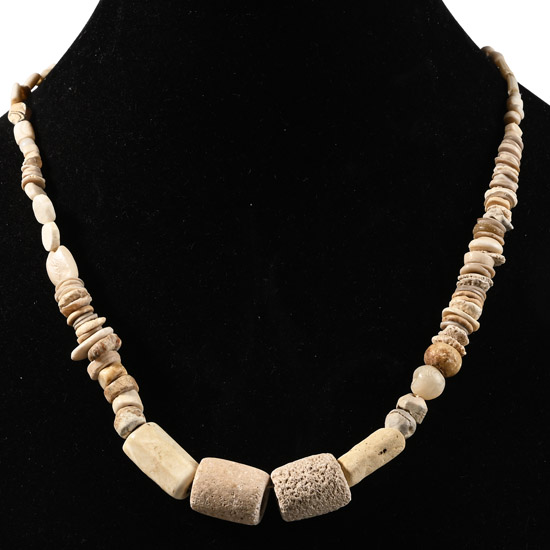
Western Asiatic Glass and Other Bead Necklace String
1st millennium B.C. and laterSold for (Inc. bp): £20
Graduated group of glass, stone and shell beads with four larger feature beads at the centre; restrung. 47.1 grams, 45.5 cm
Acquired in the 1990s. Ex London, UK, collection. -
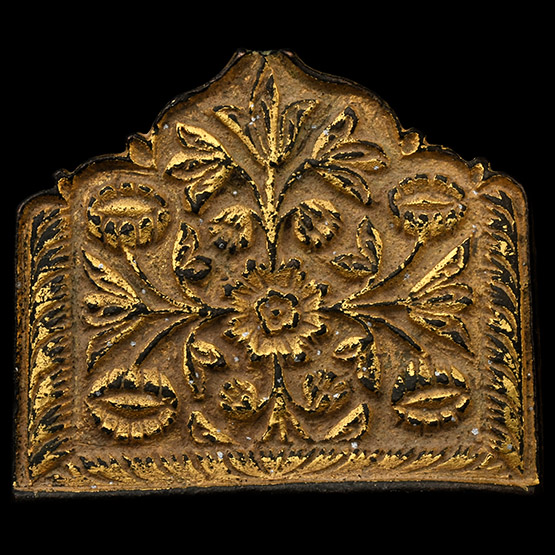
Golden Horde Gilt Bronze Fastening Element
13th-14th century A.D.Estimate: £200 - 300 (‡+bp*)
Opening Bid: £100
Pentagonal in plan with scooped ogival upper edge, shallow sides and slider-bar to reverse; high-relief decorative motifs of rosette and radiating stems and leaves. 18.25 grams, 43 mm
Acquired in the mid 1980s-1990s. Private collection, Switzerland, thence by descent. Private collection, since the late 1990s.
