
Loading, please wait...
LOT 0304
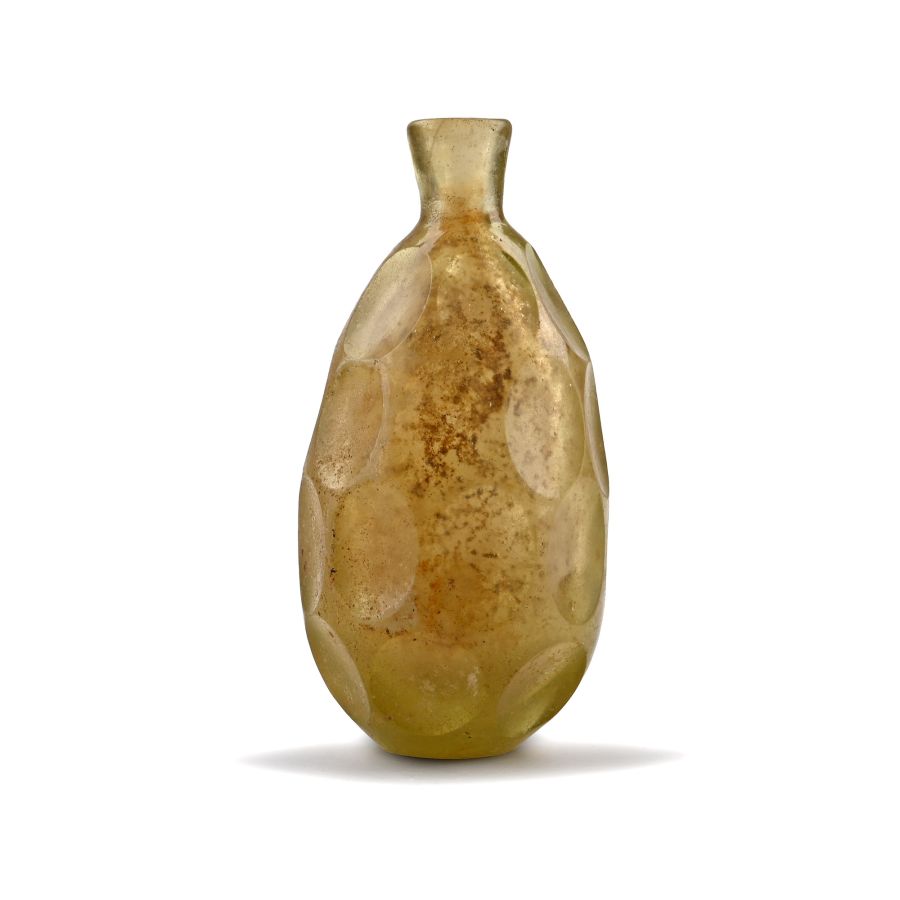
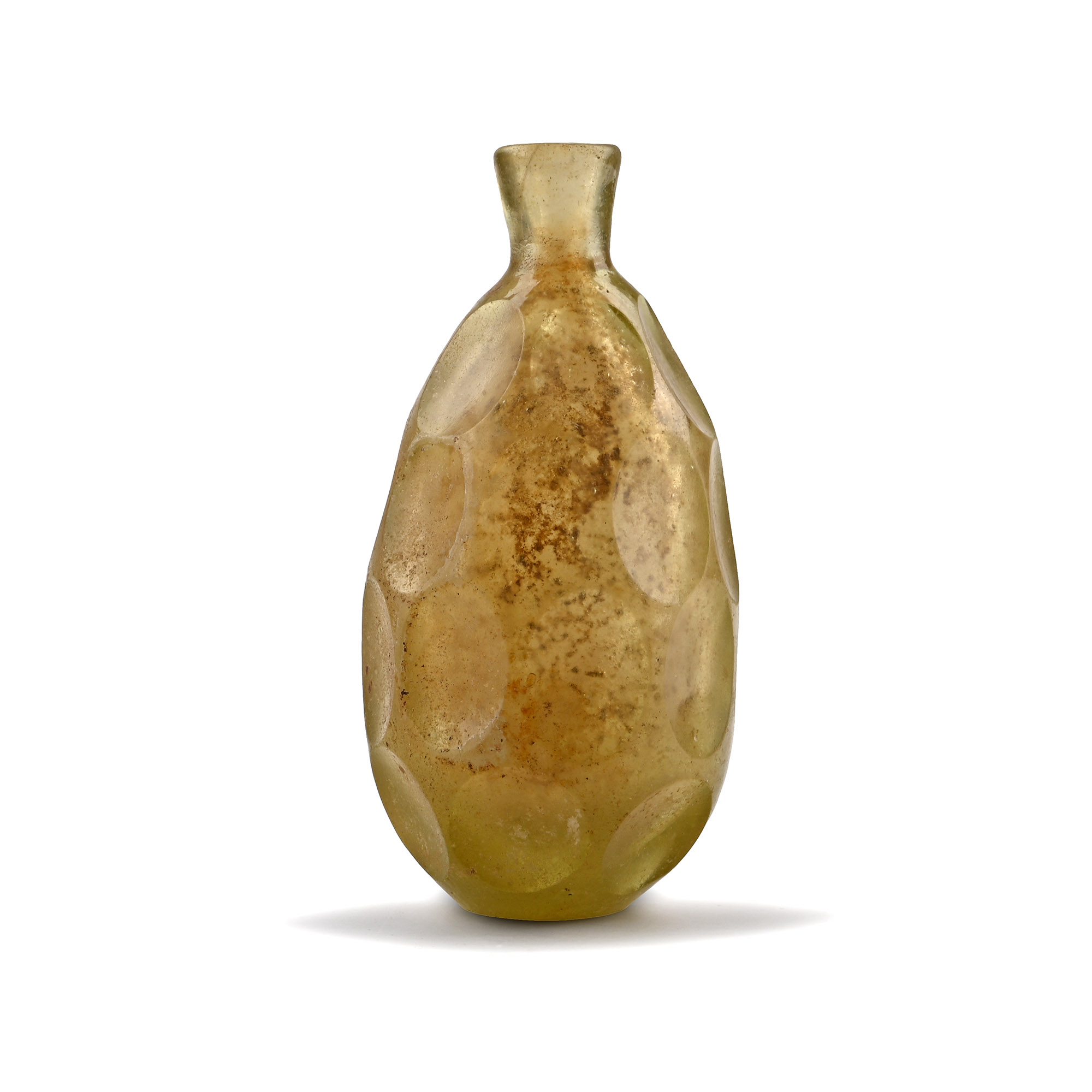
Sasanian Cut-Glass Vessel
3RD-7TH CENTURY A.D.
3 5/8 in. (103 grams, 91 mm).
With a piriform body with three rows of cut facets or dimples and a slender flared neck.
ProvenancePrivate collection, 1990s-early 2000s.
CONDITIONTimeLine Auctions follows a vetting process to ensure the authenticity and legality of all items, reinforcing our commitment to integrity and responsible trading. Each antiquity, antique, and coin lot undergoes thorough examination by a vetting committee of at least ten external specialists, professional trade association members, scientists, and archaeologists: Our Vetting Process
AUCTIONS:
TimeLine is a leading auction house specialising in antiquities, ancient art, collectables, natural history, coins, medals, and books. Our auctions offer museums, collectors, historians, and enthusiasts the opportunity to acquire unique and historically significant pieces.
-
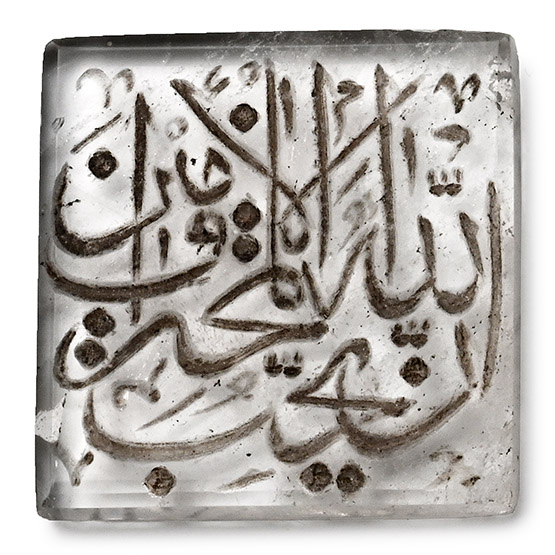
Western Asiatic Rock Crystal Gemstone
Safavid Dynasty, 1501-1722 A.D.Sold for (Inc. bp): £1,300
Square in plan with finely engraved Nastaliq calligraphic text. 2.75 grams, 20 mm
Private collection, Germany. Anonymous sale, Agora Numismatik, Woerden, Netherlands, 2015, no.333. Private collection, Europe. -
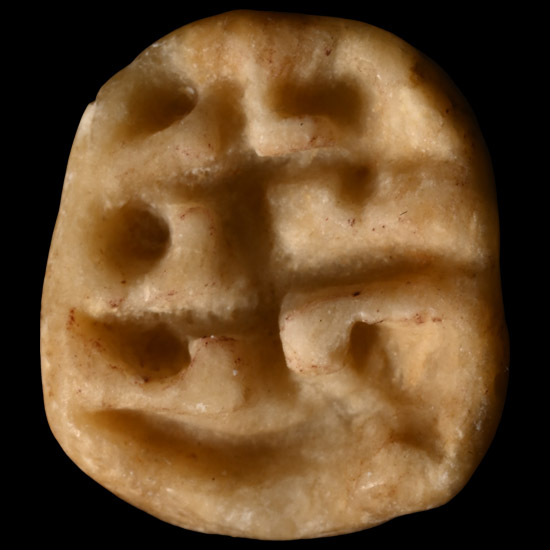
Western Asiatic Cone-Shaped Stamp Seal
2nd-1st millennium B.C.Sold for (Inc. bp): £7
Conical in section with suspension hole and pointillé texture; underside with stylised human figure. 7.32 grams, 37.26 mm
From the private collection of a European gentleman (1942-2024), formed since the 1970s. -
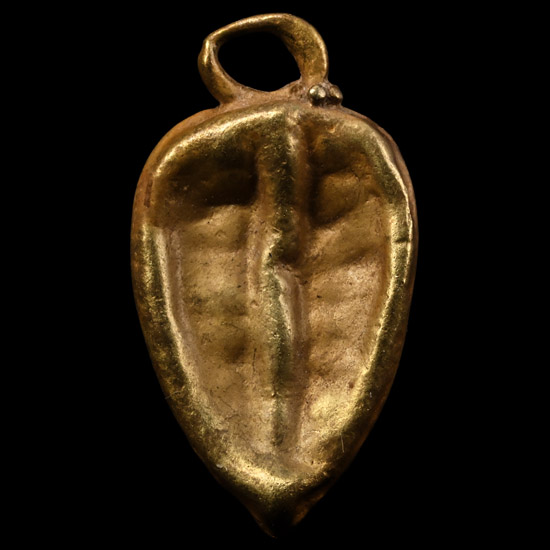
Western Asiatic Gold Heart-Shaped Pendant
1st millennium B.C.Sold for (Inc. bp): £52
Hollow-formed pendant with a raised mid-rib and edge on both sides. 0.56 grams, 13 mm
Ex private British collection, formed in the 1980s. Property of a West Northamptonshire, UK, gentleman.
