
Loading, please wait...
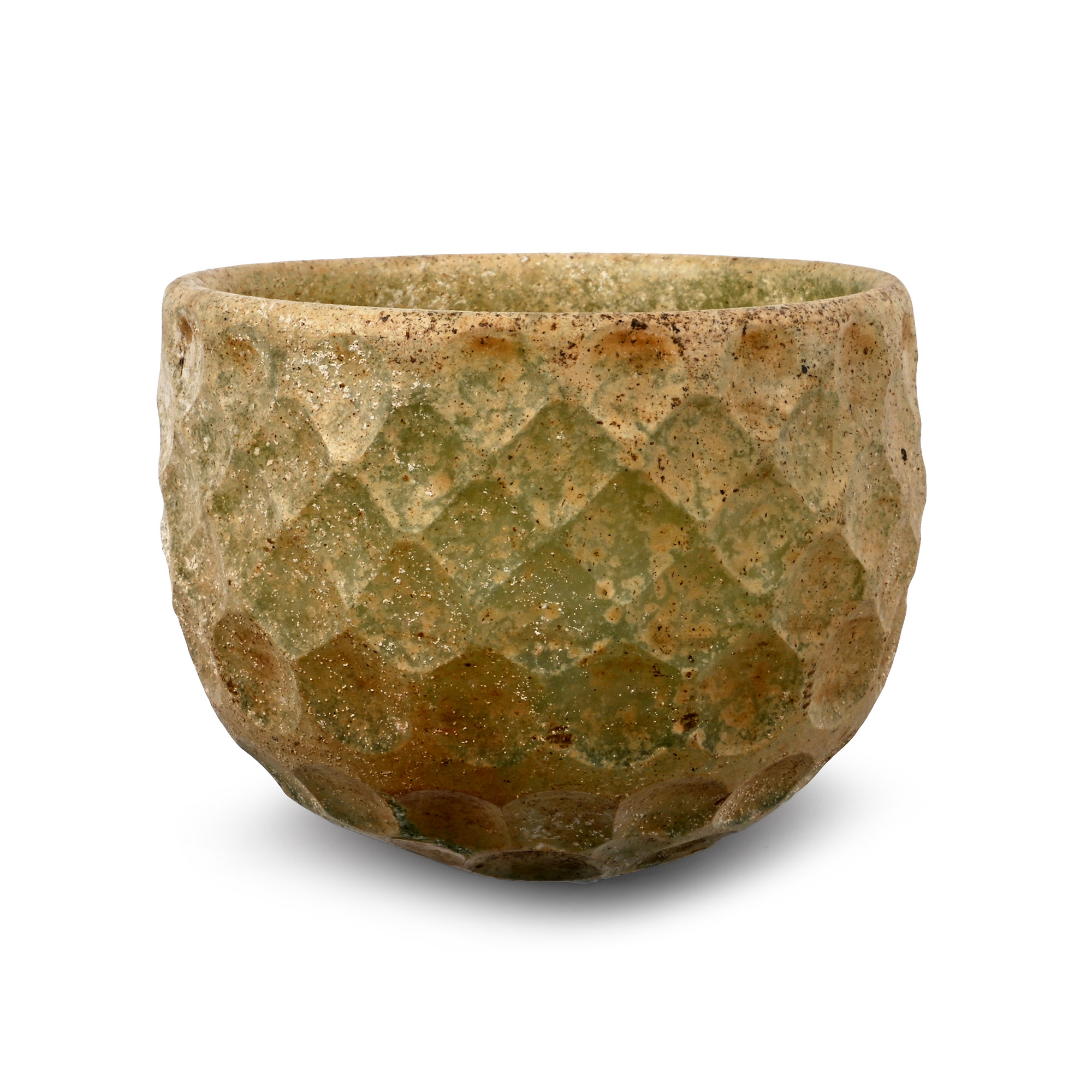
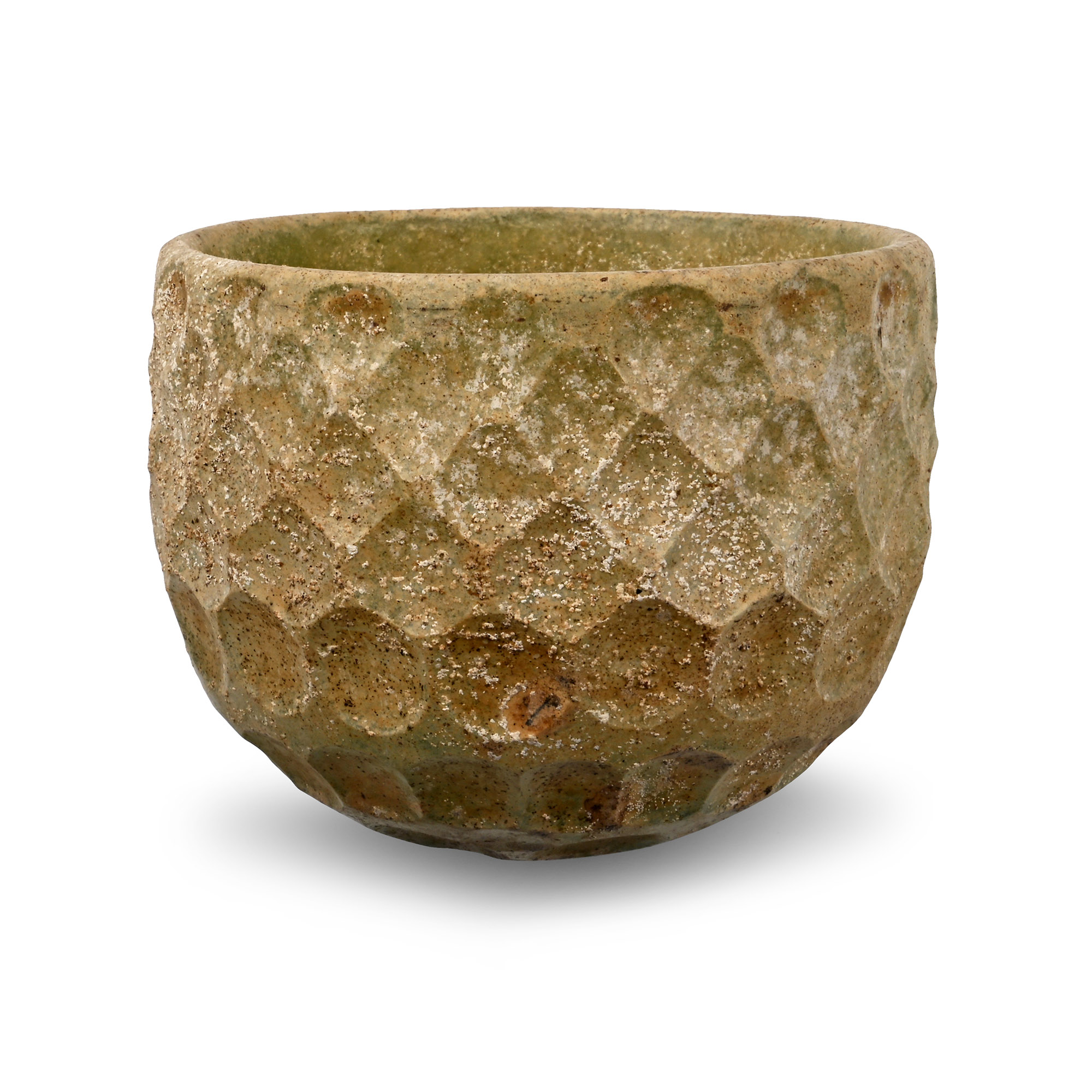
LOT 0264
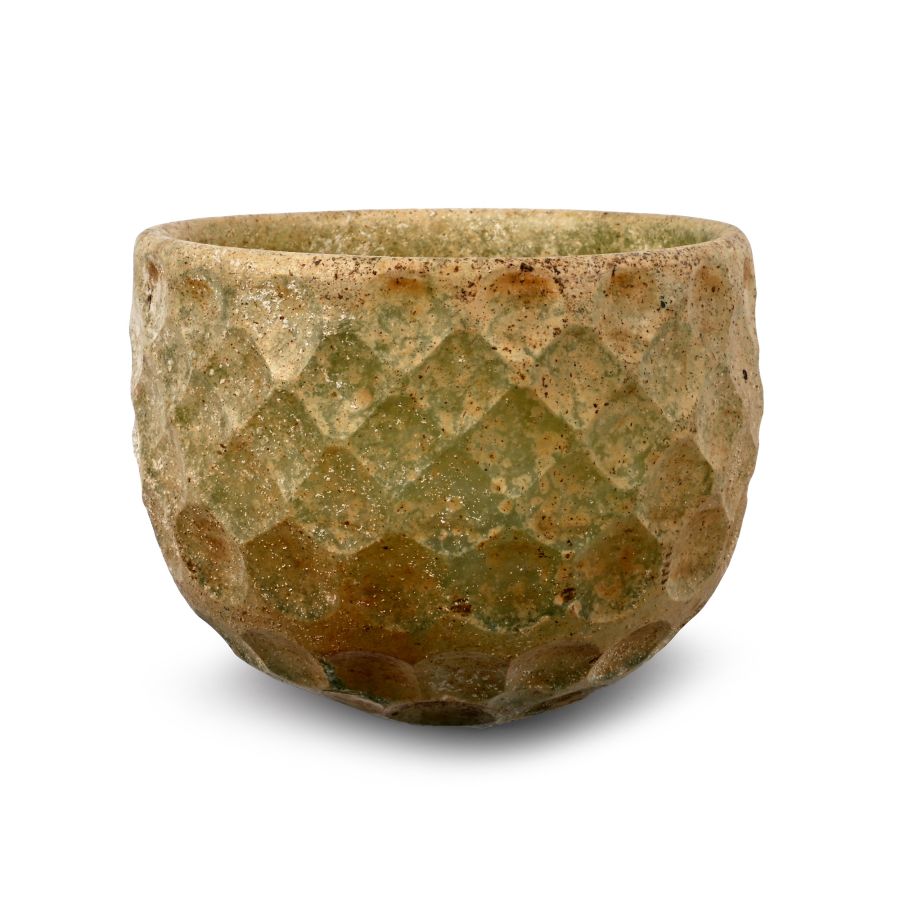
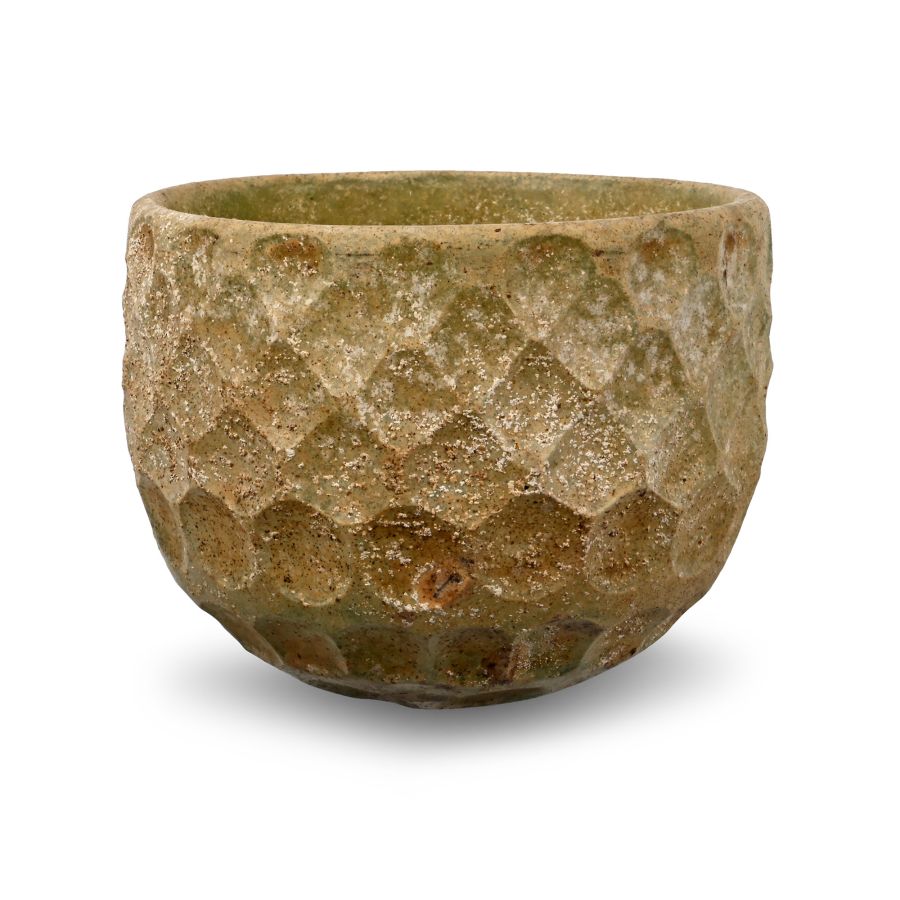
Sasanian Cut Glass Bowl
5TH CENTURY A.D.
3 3/4 in. (192 grams, 97 mm).
Translucent and U-shaped in cross-section, graduated decorative wheel-cut facets on a lattice arrangement.
ProvenanceLondon art market, 1989.
Private collection, London.
This lot has been checked against the Interpol Database of stolen works of art and is accompanied by a search certificate number no.12896-241337.
This lot has been cleared against the Art Loss Register database, and is accompanied by an illustrated lot declaration signed by the Head of the Antiquities Department, Dr Raffaele D'Amato.
Cf. The Metropolitan Museum, New York, accession number 59.34, for similar; cf. Oliver, A. Jr., Ancient Glass, In the Carnegie Museum of Natural History, Pittsburgh, 1980, p.138, no.235, for similar.
CONDITIONTimeLine Auctions follows a vetting process to ensure the authenticity and legality of all items, reinforcing our commitment to integrity and responsible trading. Each antiquity, antique, and coin lot undergoes thorough examination by a vetting committee of at least ten external specialists, professional trade association members, scientists, and archaeologists: Our Vetting Process
AUCTIONS:
TimeLine is a leading auction house specialising in antiquities, ancient art, collectables, natural history, coins, medals, and books. Our auctions offer museums, collectors, historians, and enthusiasts the opportunity to acquire unique and historically significant pieces.
LOT 0264
Sasanian Cut Glass Bowl
Estimate £3,000 - 4,000€3,480 - 4,640 (for guidance only)$4,050 - 5,400 (for guidance only)
-
.jpg)
Western Asiatic Cylinder Seal Group
2nd millennium B.C. and laterSold for (Inc. bp): £845
Including one drum-shaped alabaster type with segmented geometric design, one polished columnar example with frieze of figures and other types. 65 grams total, 19-31 mm
From the collection of a gentleman, acquired on the London art market in the 1990s. This lot has been cleared against the Art Loss Register database, and is accompanied by an illustrated lot declaration signed by the Head of the Antiquities Department, Dr Raffaele D'Amato. -
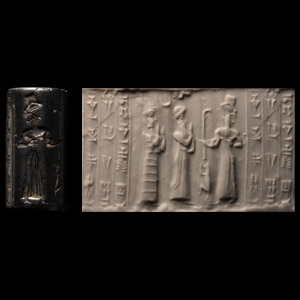
Old Babylonian Hematite Cylinder Seal for Ahi-shagish, son of Sinia, Servant of Amurru
Circa 2000-1530 B.C.Sold for (Inc. bp): £910
With three columns of cuneiform text: 'Ahi-shagish, son of Sinia, Servant of Amurru', standing figure of a god holding sceptre facing a worshipper accompanied by a goddess wearing long robe and horned crown; supplied with a museum-quality impression. 14.4 grams, 26 mm
From the collection of the late S, London, UK, 1970-2000. Examined by Professor Wilfrid George Lambert FBA (1926-2011), historian, archaeologist, and specialist in Assyriology and Near Eastern archaeology, in the 1990s. This lot has been cleared against the Art Loss Register database, and is accompanied by an illustrated lot declaration signed by the Head of the Antiquities Department, Dr Raffaele D'Amato. -
.jpg)
South Arabian Alabaster Male Head
Late 2nd-3rd century A.D.Estimate: £4,500 - 5,500 (‡+bp*)
Opening Bid: £1,944
Carved in the round with deep-set eyes and broad aquiline nose; hair and short beard modelled with stippled surface; slender neck; mounted on a custom-made display stand. 1.17 kg total, 18 cm high including stand
Formerly private European collection. with Christie's, New York, 7 December 1995, no.116. This lot has been checked against the Interpol Database of stolen works of art and is accompanied by a search certificate number no.12262-222127. This lot has been cleared against the Art Loss Register database, and is accompanied by an illustrated lot declaration signed by the Head of the Antiquities Department, Dr Raffaele D'Amato.
