
Loading, please wait...
LOT 1501
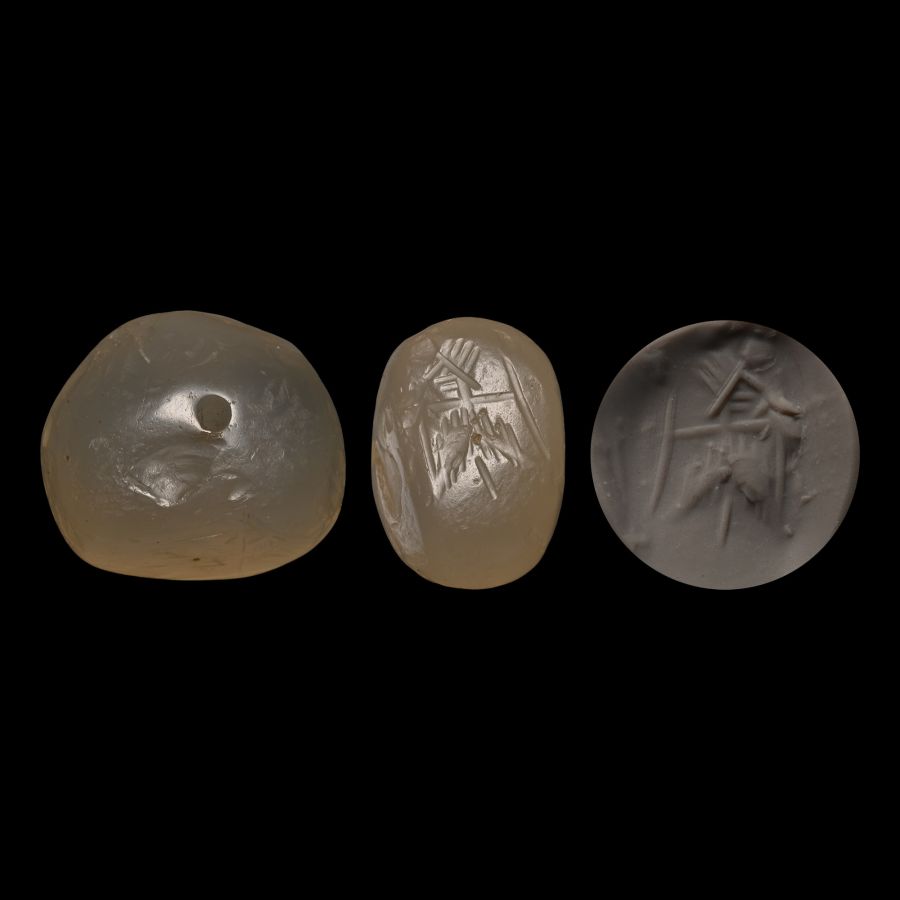
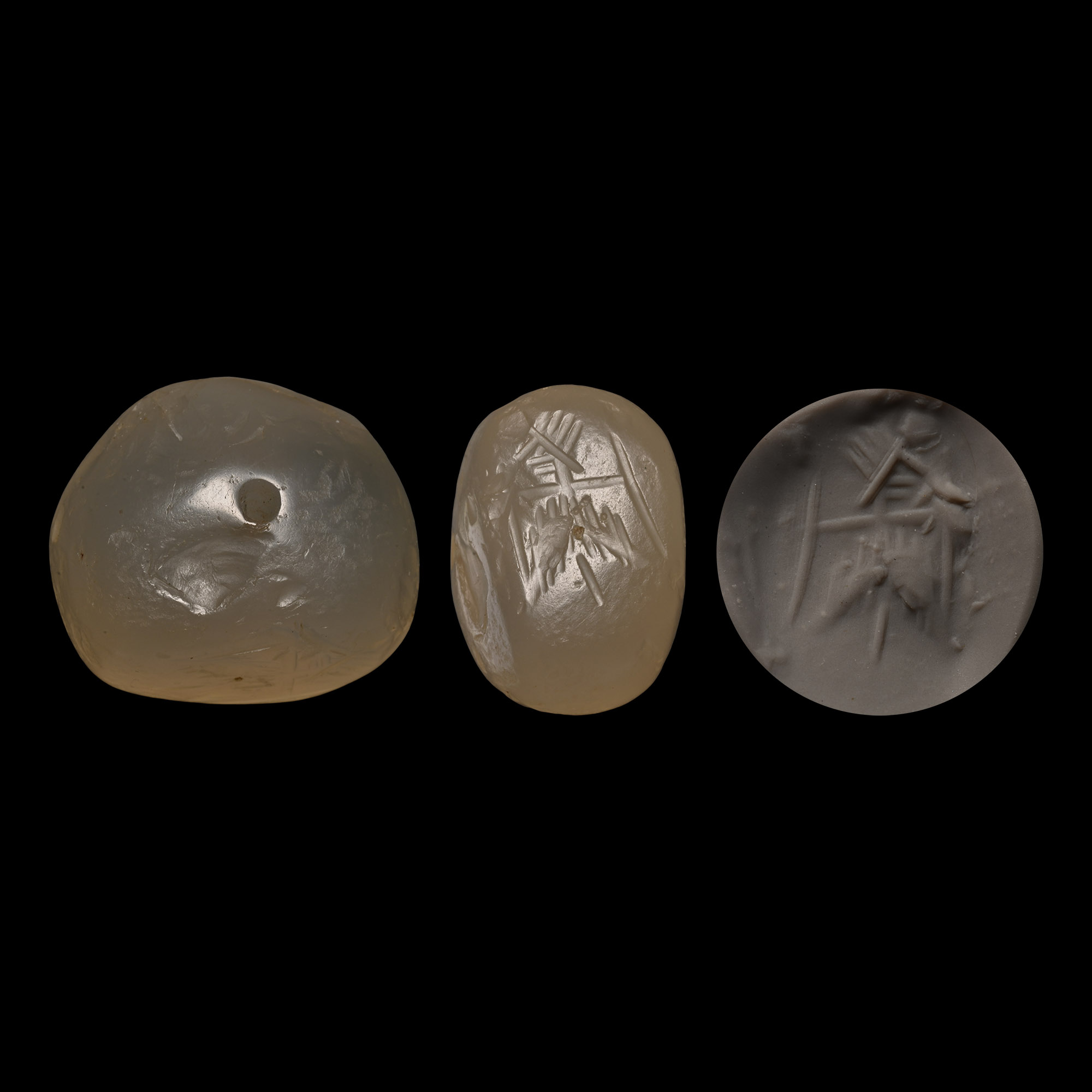
Sasanian Chalcedony Stamp Seal with Winged Figure
CIRCA 3RD-7TH CENTURY A.D.
7/8 in. (9.83 grams, 22.55 mm).
With linear design of a winged figure. [No Reserve]
ProvenanceFrom the private collection of a European gentleman (1942-2024), formed since the 1970s.
CONDITIONTimeLine Auctions follows a vetting process to ensure the authenticity and legality of all items, reinforcing our commitment to integrity and responsible trading. Each antiquity, antique, and coin lot undergoes thorough examination by a vetting committee of at least ten external specialists, professional trade association members, scientists, and archaeologists: Our Vetting Process
AUCTIONS:
TimeLine is a leading auction house specialising in antiquities, ancient art, collectables, natural history, coins, medals, and books. Our auctions offer museums, collectors, historians, and enthusiasts the opportunity to acquire unique and historically significant pieces.
-
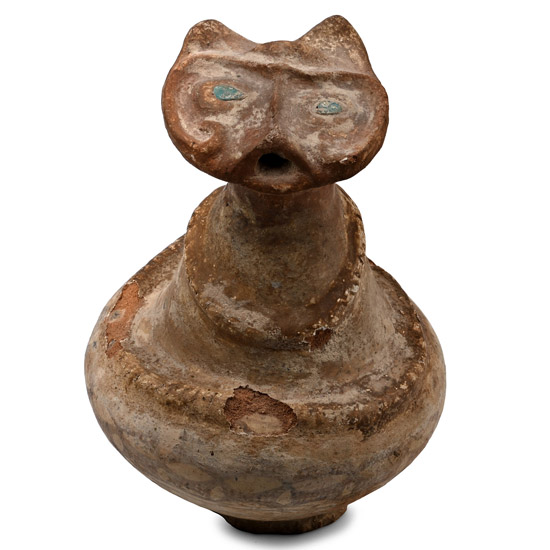
Western Asiatic Terracotta Vessel with Lion-Head with Glass Eyes
8th-9th century A.D.Estimate: £400 - 600 (+bp*)
Opening Bid: £220
With biconical profile and flared foot, cable-twist strap handle, applied raised band to the shoulder and neck; discoid feline head with filler hole and spout, inset turquoise-coloured scaphoid eyes. 739 grams, 19.7 cm
UK collection, 1990s. Acquired on the UK art market, before 2000. Private collection, Mr M.V., a London-based businessman. -
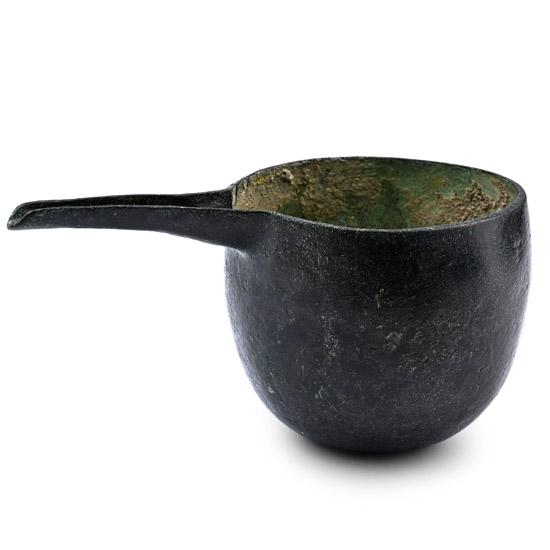
Western Asiatic Bronze Pouring Vessel
1st millennium B.C.Estimate: £200 - 300 (+bp*)
Opening Bid: £100
Barrel-shaped in profile with concentric rings to the base, tapering U-section spout to the rim. 130 grams, 12.1 cm
Ex Abelita family collection, 1980s-2000s. -
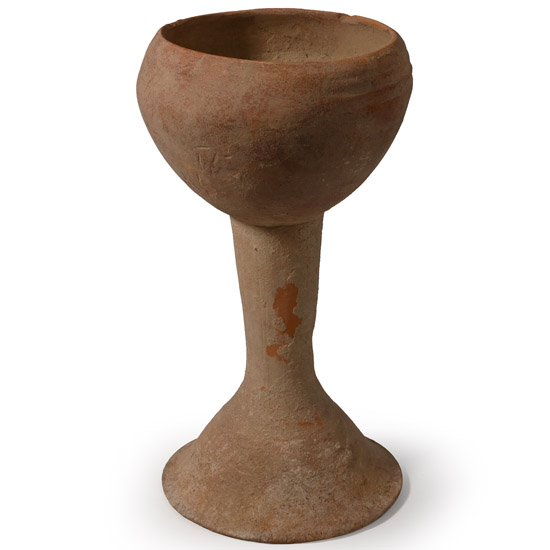
Bactrian Terracotta Chalice
1st millennium B.C.Sold for (Inc. bp): £117
Comprising a broad bowl with ribbing to the shoulder, tapering stem and flared base. 715 grams, 24 cm
Ex Abelita family collection, 1980s-2000s.
