
Loading, please wait...
_900x900.jpg "Sasanian Carnelian Gemstone of an Ibex with Inscription")
_200x200.jpg "Sasanian Carnelian Gemstone of an Ibex with Inscription")
.jpg "Sasanian Carnelian Gemstone of an Ibex with Inscription")
LOT 0023
Sasanian Carnelian Gemstone of an Ibex with Inscription
5TH-7TH CENTURY A.D.
3/8 in. (0.42 grams, 11 mm).
Discoid in plan with incuse ibex with the legs folded beneath the body; text in the field; supplied with a museum-quality impression.
ProvenancePrivate English collection, formed between the late 1970s and early 1990s.
Private collection, London, UK.
TimeLine Auctions follows a vetting process to ensure the authenticity and legality of all items, reinforcing our commitment to integrity and responsible trading. Each antiquity, antique, and coin lot undergoes thorough examination by a vetting committee of at least ten external specialists, professional trade association members, scientists, and archaeologists: Our Vetting Process
AUCTIONS:
TimeLine is a leading auction house specialising in antiquities, ancient art, collectables, natural history, coins, medals, and books. Our auctions offer museums, collectors, historians, and enthusiasts the opportunity to acquire unique and historically significant pieces.
LOT 0023
Sasanian Carnelian Gemstone of an Ibex with Inscription
Estimate £700 - 900€810 - 1,040 (for guidance only)$950 - 1,220 (for guidance only)
-
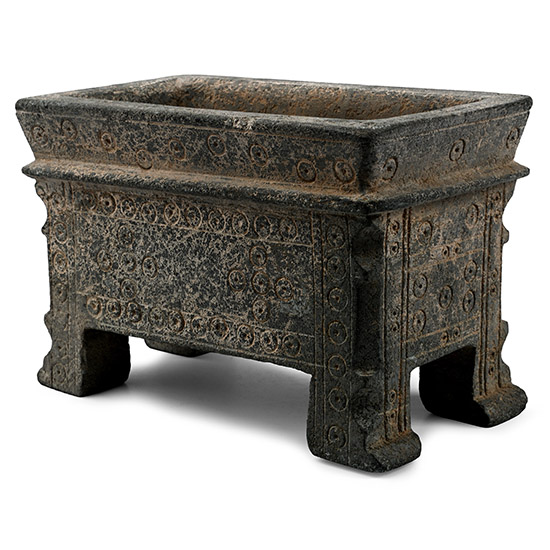
Western Asiatic Rectangular Stone Vessel
1st millennium B.C.Sold for (Inc. bp): £1,300
Rectangular-section body on four feet, slightly flared rim with a band, with ring-and-dot markings to the outer face. 1.37 kg, 14.7 cm
From a West London collection and formerly in a Mayfair gallery. -
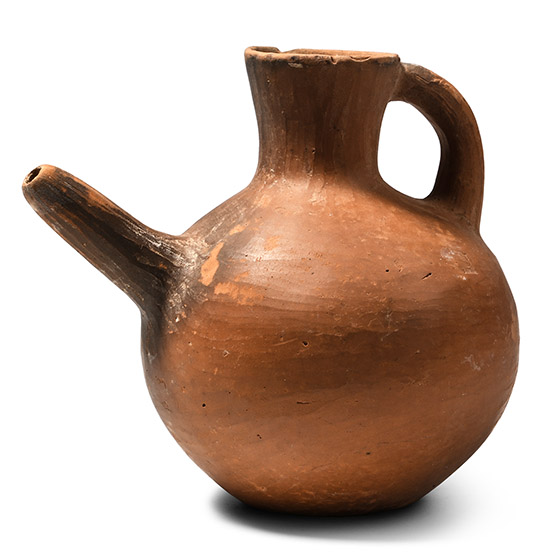
Western Asiatic Pottery Pouring Vessel
1st millennium B.C.Estimate: £100 - 140 (+bp*)
Opening Bid: £50
Globular in profile with slender angled spout, conical mouth and strap handle. 188 grams, 10 cm
From the collection of a gentleman, 1988-2000s. -
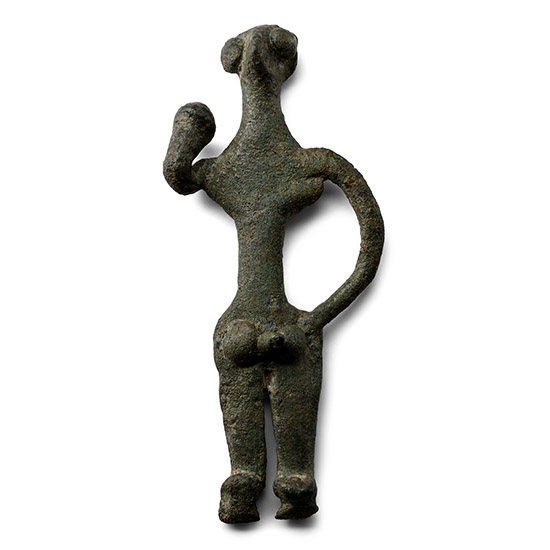
Syro-Hittite Bronze Male Idol
2nd millennium B.C.Sold for (Inc. bp): £182
Round-section body with pinched facial detailing, right arm raised and bent, left hand protecting the genitals. 36.5 grams, 78 mm
Previously the property of an Islington, London, UK, dealer. From a London, UK, private collector since circa 1990.
