
Loading, please wait...
LOT 1669
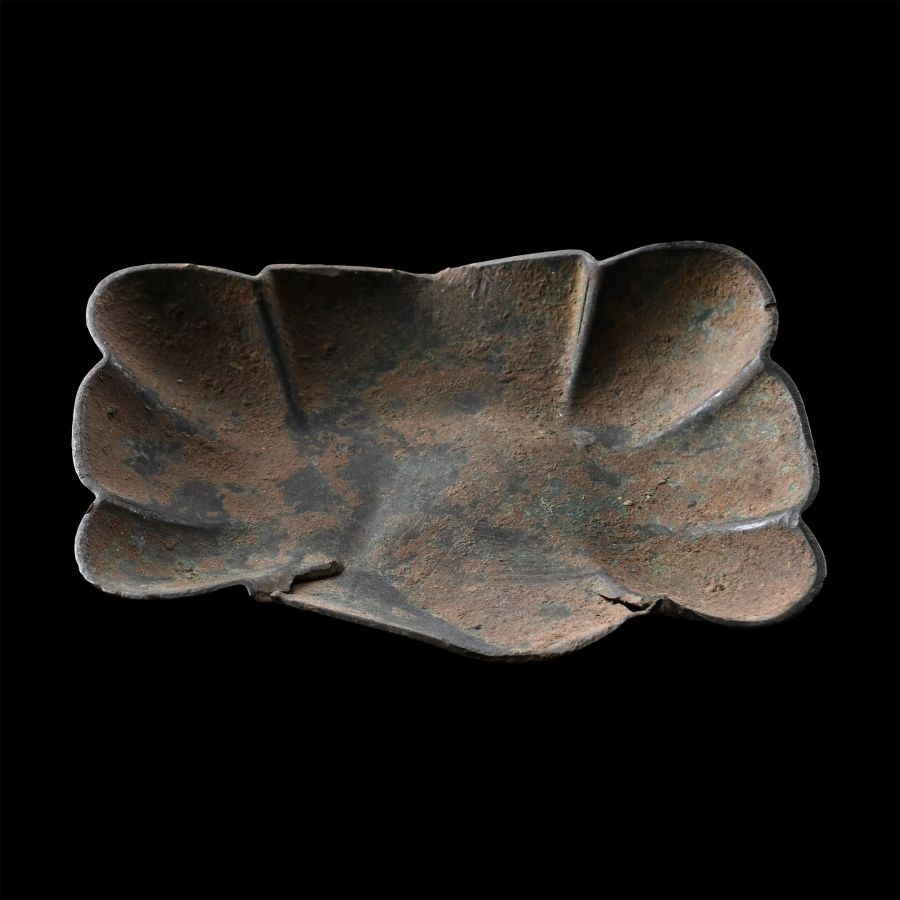
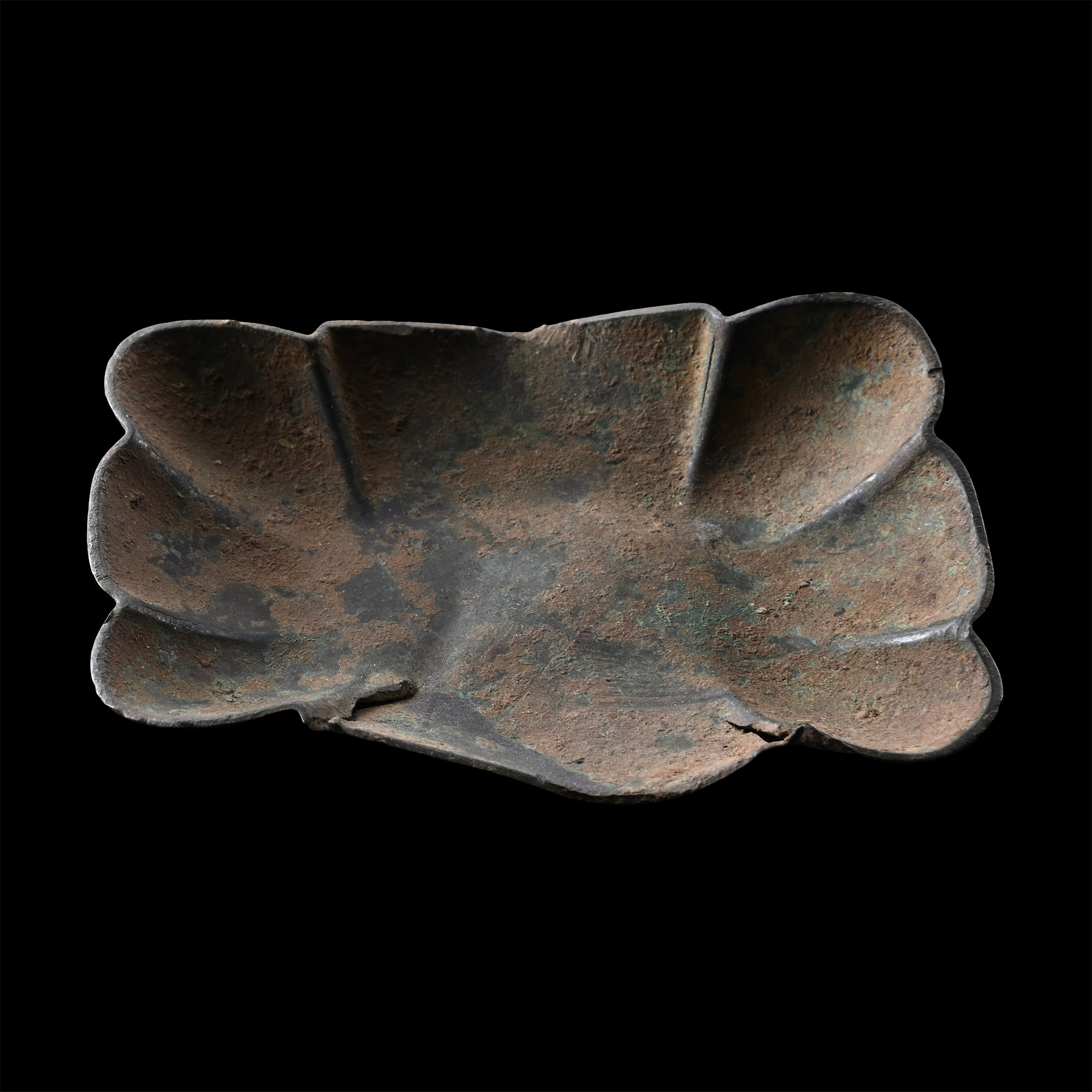
Sasanian Bronze Petalled Dish
3RD-7TH CENTURY A.D.
3 7/8 in. (64 grams, 99.27 mm).
Formed as a rectangle with each side formed into three lobes and slightly dished. [No Reserve]
ProvenanceFrom the private collection of a European gentleman (1942-2024), formed since the 1970s.
CONDITIONTimeLine Auctions follows a vetting process to ensure the authenticity and legality of all items, reinforcing our commitment to integrity and responsible trading. Each antiquity, antique, and coin lot undergoes thorough examination by a vetting committee of at least ten external specialists, professional trade association members, scientists, and archaeologists: Our Vetting Process
AUCTIONS:
TimeLine is a leading auction house specialising in antiquities, ancient art, collectables, natural history, coins, medals, and books. Our auctions offer museums, collectors, historians, and enthusiasts the opportunity to acquire unique and historically significant pieces.
-
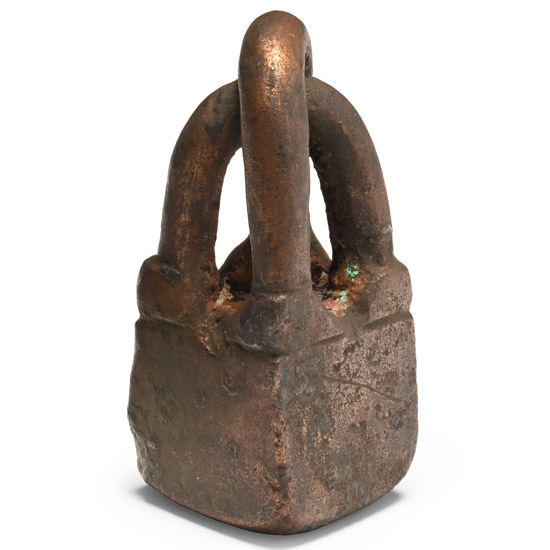
Western Asiatic Bronze Cage Weight
1st millennium B.C.Estimate: £180 - 240 (+bp*)
Opening Bid: £90
Comprising a square-section body with two overlapping U-shaped loops above. 94 grams, 48 mm
From the collection of a gentleman, acquired on the London art market in the 1990s. -
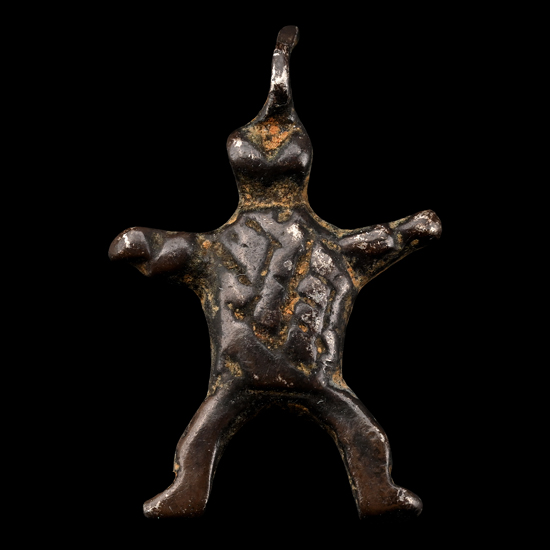
Western Asiatic Silver Amulet
12th-15th century A.D.Sold for (Inc. bp): £39
Formed as a splayed animal figure with an integral loop. 2.16 grams, 21 mm
From the collection of a gentleman, acquired on the London art market in the 1990s. -
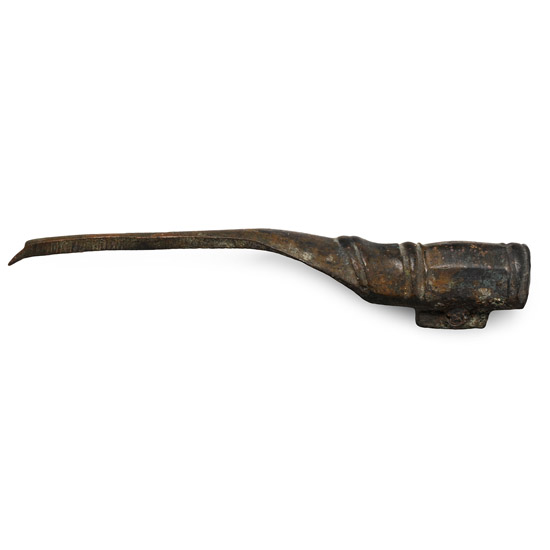
Western Asiatic Bronze Stylus
Late 1st millennium A.D.Sold for (Inc. bp): £26
Comprising a barrel-shaped facetted socket with a rivetted lug to the rear, the body extending to a tapering nib with a sharp point. 17.8 grams, 84 mm
From the collection of a gentleman, acquired on the London art market in the 1990s.
