
Loading, please wait...
LOT 1239
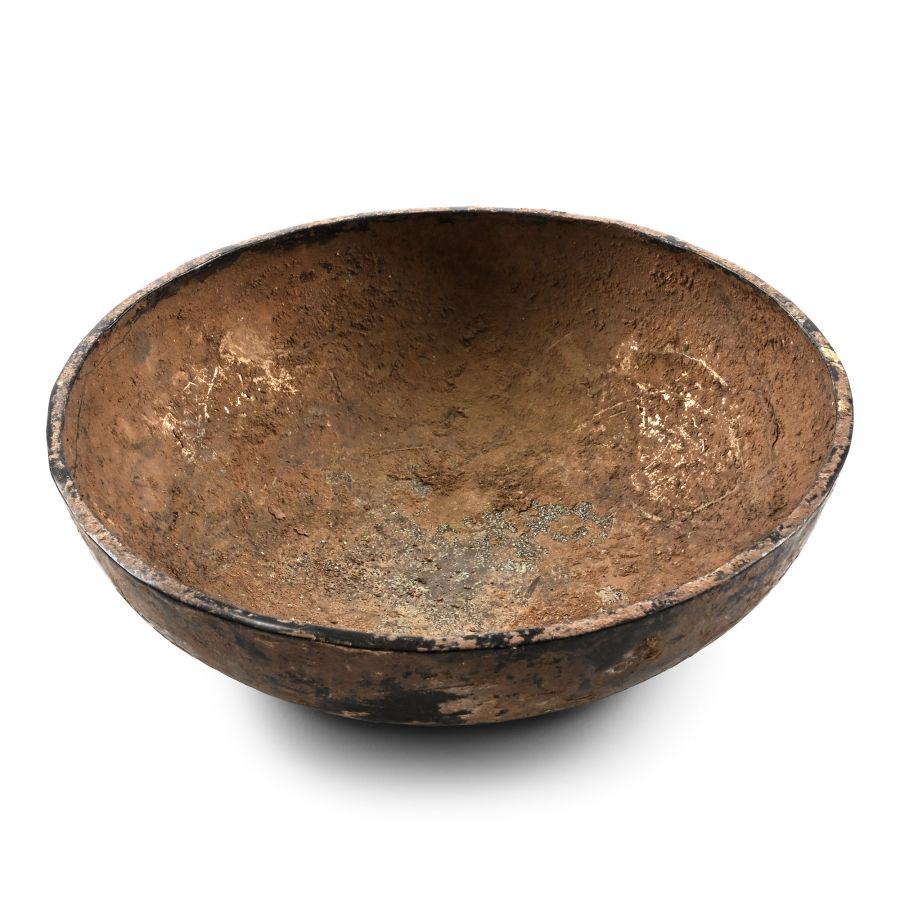
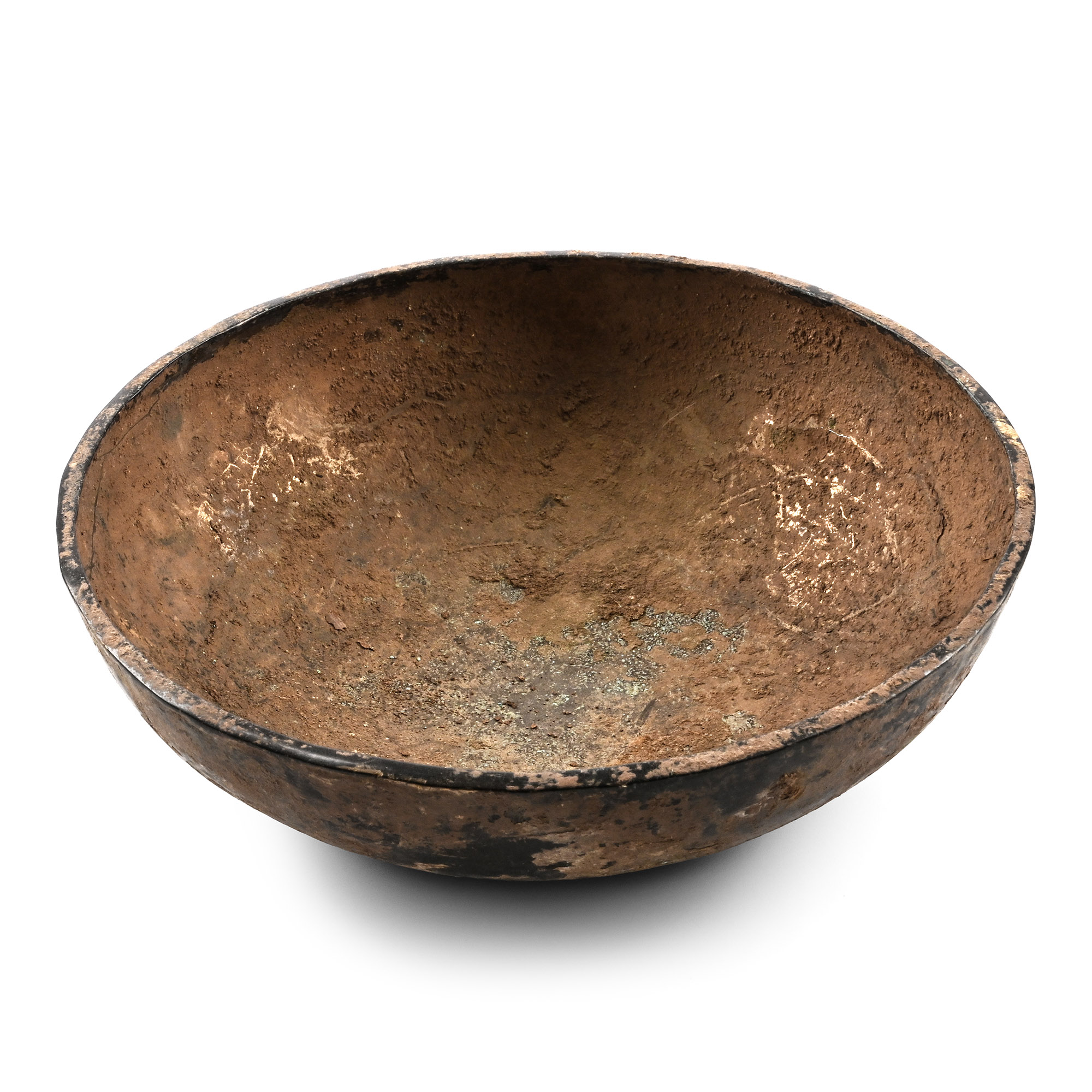
Sasanian Bronze Bowl
3RD-7TH CENTURY A.D.
6 5/8 in. (208 grams, 17 cm).
Broad and convex in profile with thickened inturned rim. [No Reserve]
ProvenanceFrom the collection of North West London, UK, gentleman, 1990-2000s.
LiteratureCf. Gunter, A.C., Jett, P., Ancient Iranian Metalwork in the Arthur M.Sackler Gallery and the Freer Gallery of Art, Washington, 1992, no.6, for general type.
CONDITIONTimeLine Auctions follows a vetting process to ensure the authenticity and legality of all items, reinforcing our commitment to integrity and responsible trading. Each antiquity, antique, and coin lot undergoes thorough examination by a vetting committee of at least ten external specialists, professional trade association members, scientists, and archaeologists: Our Vetting Process
AUCTIONS:
TimeLine is a leading auction house specialising in antiquities, ancient art, collectables, natural history, coins, medals, and books. Our auctions offer museums, collectors, historians, and enthusiasts the opportunity to acquire unique and historically significant pieces.
-
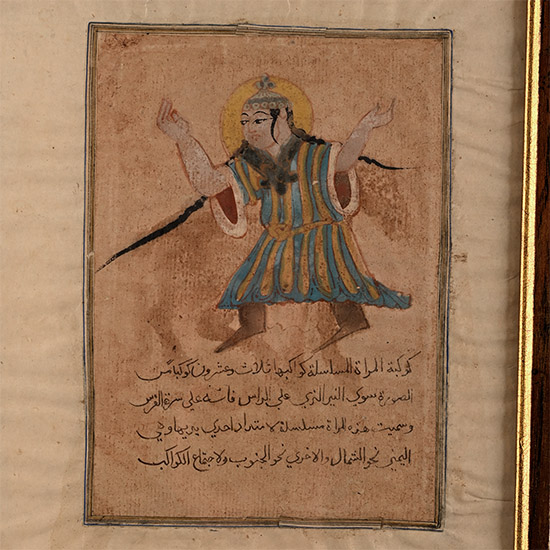
Framed Double-Sided Ottoman Painted Miniature Leaf with Figure and Horse
20th century A.D.Sold for (Inc. bp): £130
Rectangular laid paper page mounted in a bifacial glazed wooden frame; obverse painted image of a nimbate figure with long hanks of hair advancing with arms raised, four lines of neat nasta'liq text below; reverse an advancing horse with long tail, text in two lines above and below. 720 grams, 32.5 x 22.6 cm
Private collection, UK. -
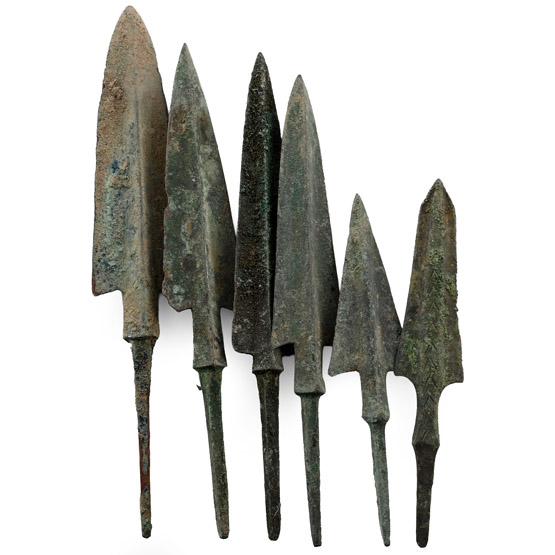
Western Asiatic Bronze Arrowhead Collection
1st millennium B.C.Sold for (Inc. bp): £130
Each a narrow barbed-and-tanged type with a thick midrib. 180 grams total, 10.2-15.7 cm
Ex London, UK, collection, 1990s. -
.jpg)
Mesopotamian Cuneiform Tablet Fragment
2nd millennium B.C.Sold for (Inc. bp): £520
Pillow-shaped with bands of cuneiform text on both faces and on the three edges, one edge with a seal impression; repaired. 173 grams, 10.3 cm
Specialised collection of cuneiform texts, the property of a London gentleman and housed in London before 1992. Thence by descent to family members. Examined by Professor Wilfrid George Lambert FBA (1926-2011), historian, archaeologist, and specialist in Assyriology and Near Eastern archaeology, in the late 1980s and early 1990s. This small collection is exceptional for the variety of types, including some very rare and well preserved examples.
