
Loading, please wait...
LOT 1372
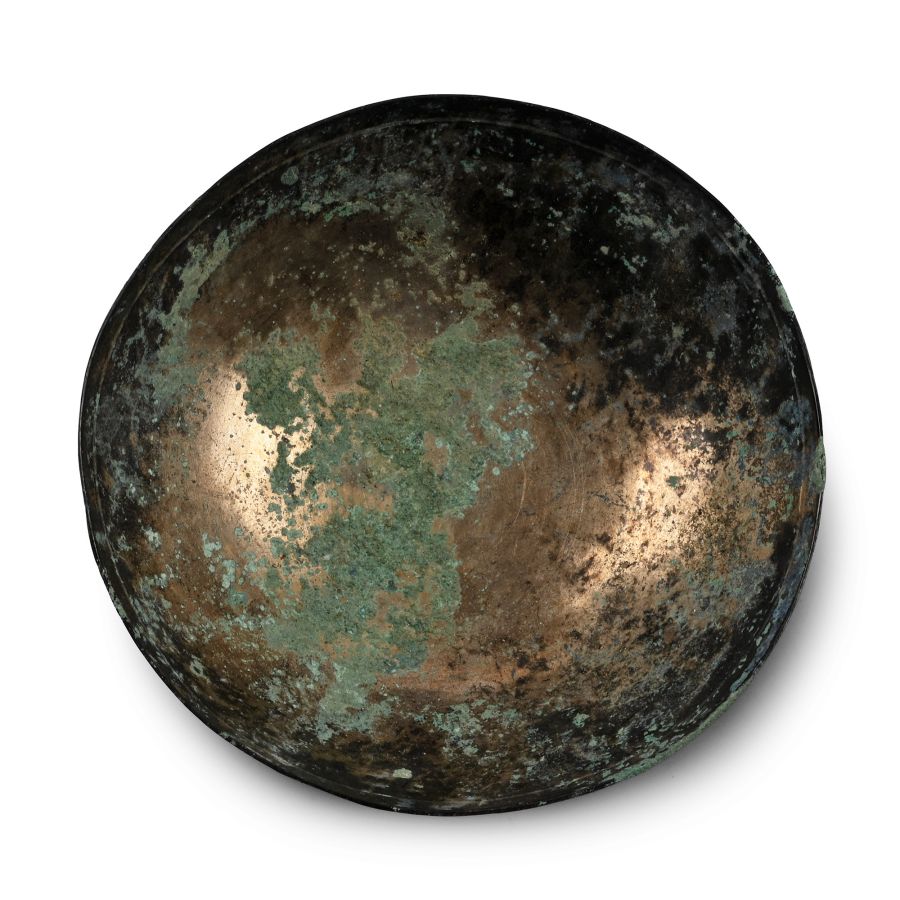
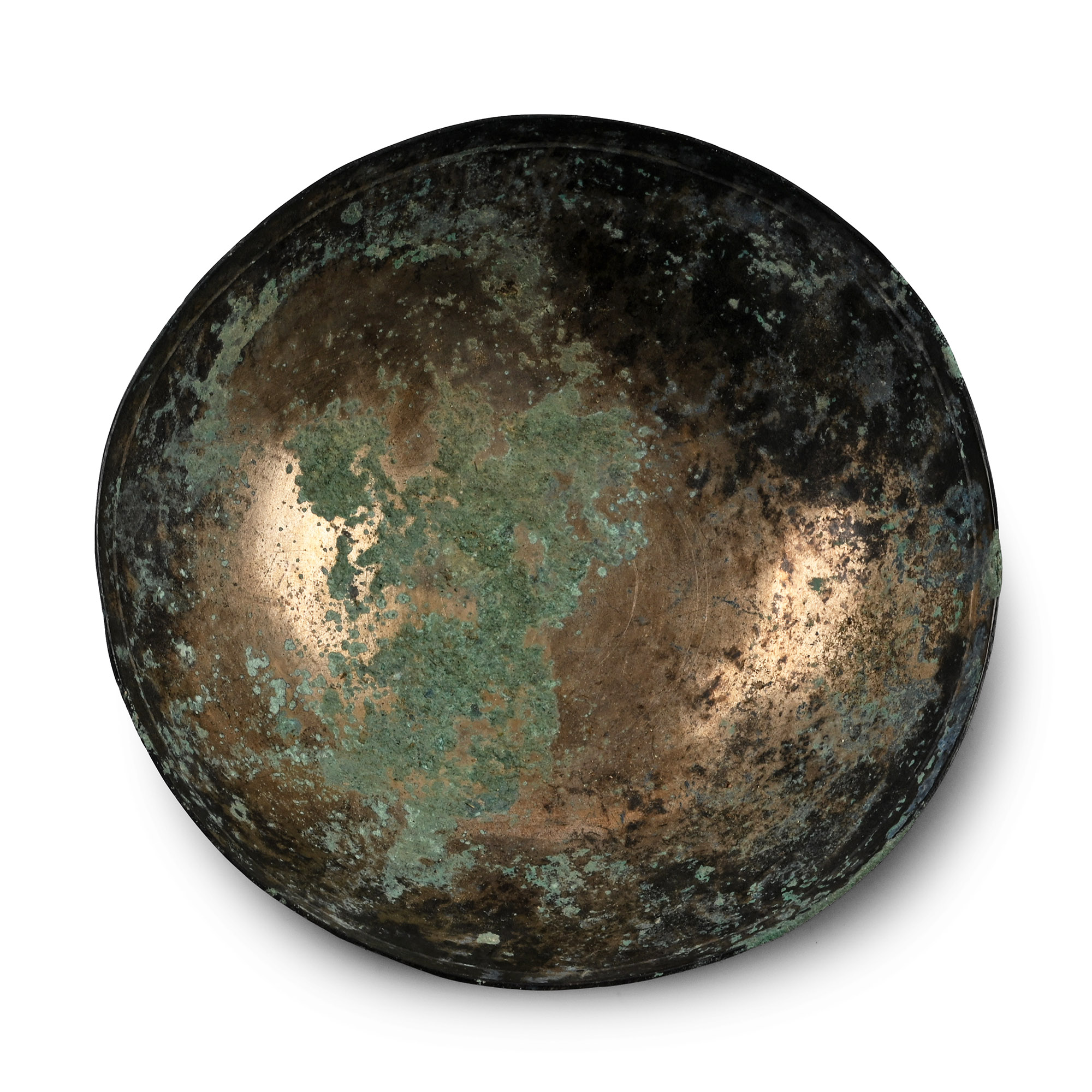
Sasanian Bronze Bowl
3RD-7TH CENTURY A.D.
6 1/8 in. (130 grams, 15.5 cm).
Hemispherical in profile with an incised ring to the inner face beneath the rim. [No Reserve]
ProvenanceFrom the collection of North West London, UK, gentleman, 1990-2000s.
LiteratureCf. Gunter, A.C., Jett, P., Ancient Iranian Metalwork in the Arthur M.Sackler Gallery and the Freer Gallery of Art, Washington, 1992, no.6, for general type.
CONDITIONTimeLine Auctions follows a vetting process to ensure the authenticity and legality of all items, reinforcing our commitment to integrity and responsible trading. Each antiquity, antique, and coin lot undergoes thorough examination by a vetting committee of at least ten external specialists, professional trade association members, scientists, and archaeologists: Our Vetting Process
AUCTIONS:
TimeLine is a leading auction house specialising in antiquities, ancient art, collectables, natural history, coins, medals, and books. Our auctions offer museums, collectors, historians, and enthusiasts the opportunity to acquire unique and historically significant pieces.
-
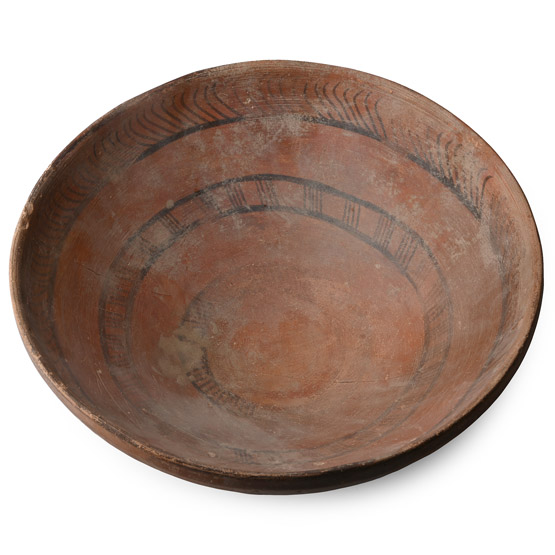
Large Western Decorated Asiatic Pottery Bowl
1st millennium B.C.Sold for (Inc. bp): £117
Hemispherical in profile with low discoid foot, rounded rim, painted detailing to inner face of concentric hatched rings; repaired. 1.59 kg, 29 cm wide
From the collection of a gentleman, 1988-2000s. -
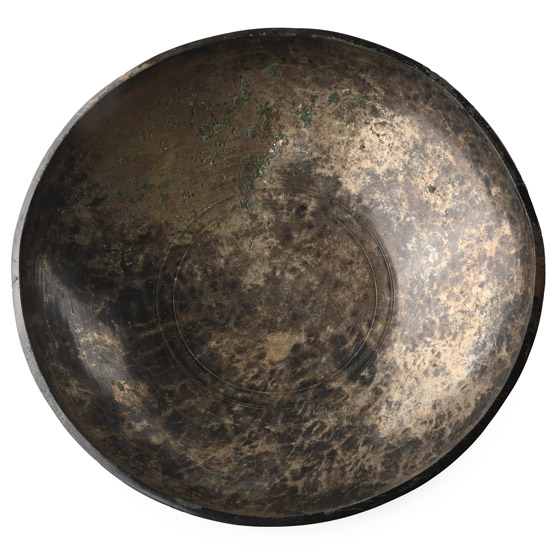
Western Asiatic Bronze Bowl
Late 1st millennium B.C.Estimate: £180 - 240 (+bp*)
Opening Bid: £90
Broad and squat with lip to the inner edge of the mouth, concentric rings to the centre. 240 grams, 18.5 cm
Ex Abelita family collection, 1980s-2000s. -
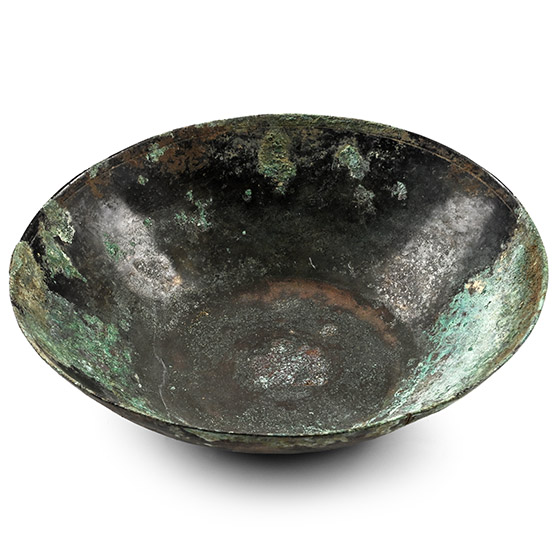
Sasanian Bronze Bowl
3rd-7th century A.D.Sold for (Inc. bp): £46
With narrow flat base and flared sidewall. 132 grams, 15.2 cm
From the collection of North West London, UK, gentleman, 1990-2000s.
