
Loading, please wait...

LOT 2584
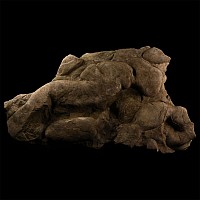
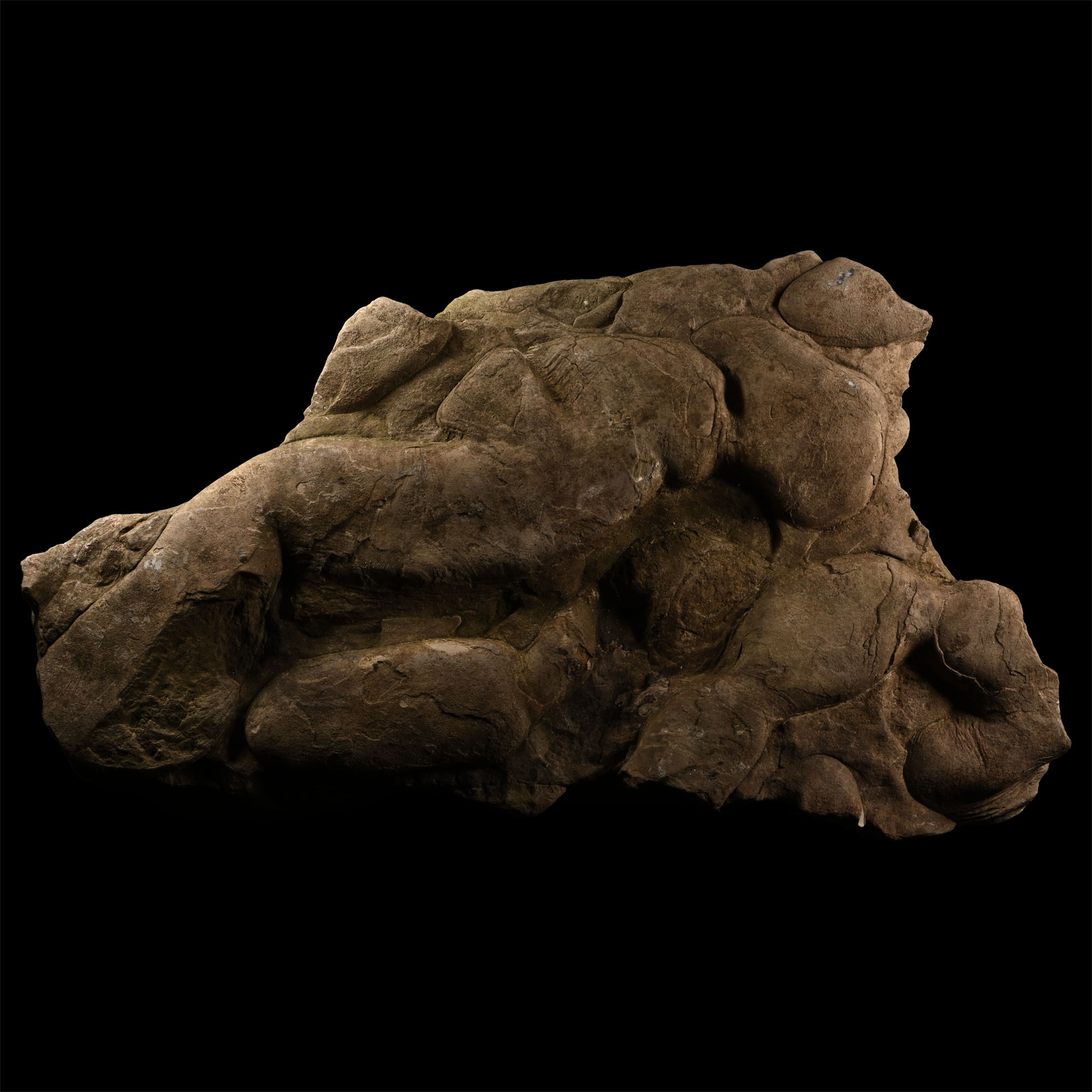
Sandstone Gogotte Formation Display
15 3/4 in. (8.85 kg, 40 cm).
A greyish sandstone slab with cascading layers of softly folded concretions. [No Reserve]
ProvenanceEx private collection, 1970s.
Property of a Nottinghamshire gentleman.
Gogottes were displayed at the chateau of Fontainebleau, France, collected by King Louis XIV (1638 -1715). They were used to decorate the formal gardens of the royal residence at Versailles, especially l’Encelade, Les Trois Fontaines and La Salle de Bal. Elsewhere, they were treasured in Song Dynasty China (960-1127 AD). In the 20th century, natural forms inspired the sculptor Henry Moore and others.
CONDITIONTimeLine Auctions follows a vetting process to ensure the authenticity and legality of all items, reinforcing our commitment to integrity and responsible trading. Each antiquity, antique, and coin lot undergoes thorough examination by a vetting committee of at least ten external specialists, professional trade association members, scientists, and archaeologists: Our Vetting Process
AUCTIONS:
TimeLine is a leading auction house specialising in antiquities, ancient art, collectables, natural history, coins, medals, and books. Our auctions offer museums, collectors, historians, and enthusiasts the opportunity to acquire unique and historically significant pieces.
-
![Amethyst Crystal Mineral Specimen Selection [6]](https://timelineauctions.com/upload/images/items/small/227829-s.jpg)
Amethyst Crystal Mineral Specimen Selection [6]
Sold for (Inc. bp): £13
Comprising geode sections with clusters of lavender-coloured amethyst crystals. 1 kg total, 5.3-12.1 cm
From Brazil. Ex Mineral Imports, London, UK. Gregory, Bottley & Lloyd (Gregory's), Harwich, UK. -
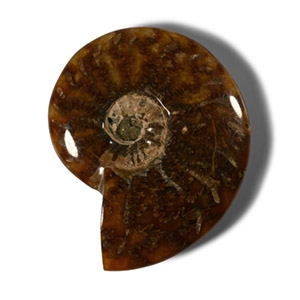
Polished Cleoniceras Fossil Ammonite
Cretaceous Period, circa 145-66 million years B.P.Sold for (Inc. bp): £20
Polished to reveal the internal structure. 179 grams, 93 mm
From a Lincolnshire, UK, collection. -

Fossil Petraster Starfish Group
Ordovician Period, circa 485-444 million years B.P.Sold for (Inc. bp): £7
Comprising two matrices with a Petraster sp. specimen on each with some other fossil remains. 660 grams total, 13-13.6 cm
From a Cambridgeshire, UK, collection.
