
Loading, please wait...
LOT 2656
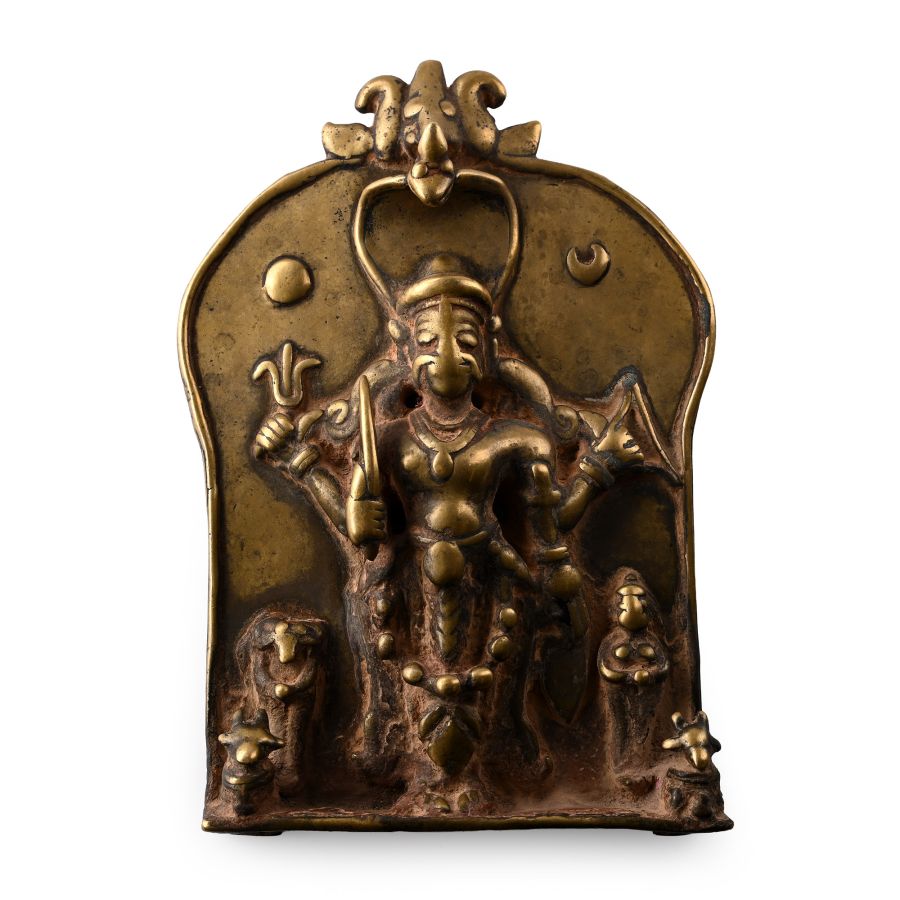
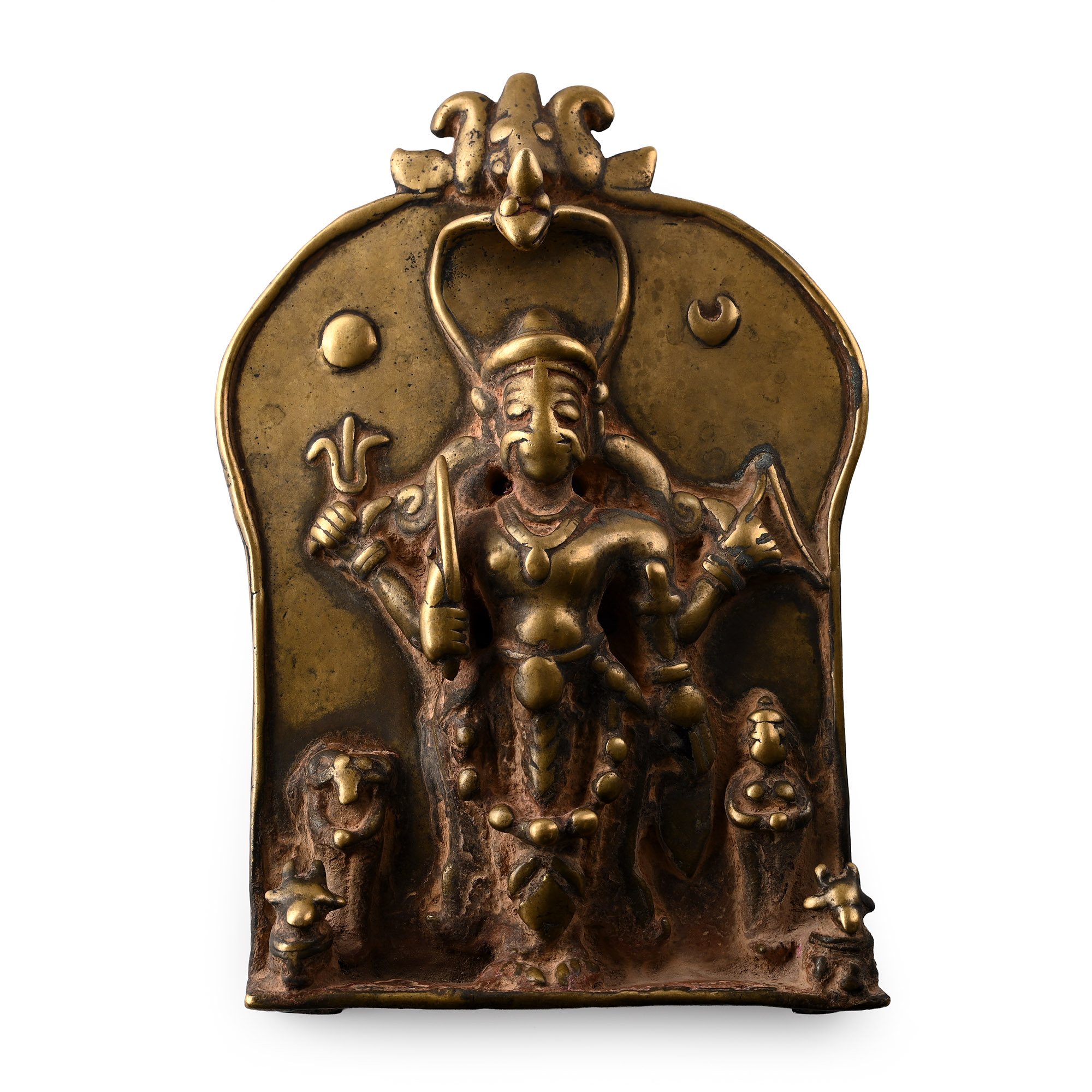
Sacred Copper-Alloy Plaque with Shiva and Attendants
INDIA, 19TH CENTURY A.D.
8 1/4 in. (1.54 kg, 21 cm).
Tongue-shaped plaque with half-round facing figure of Virabhadra Shiva holding various attributes, an attendant and bull on each side. [No Reserve]
ProvenanceFrom an important collection of Hindu art formed by Jeffrey Romer, 1990s.
Ex central London, UK, gallery.
TimeLine Auctions follows a vetting process to ensure the authenticity and legality of all items, reinforcing our commitment to integrity and responsible trading. Each antiquity, antique, and coin lot undergoes thorough examination by a vetting committee of at least ten external specialists, professional trade association members, scientists, and archaeologists: Our Vetting Process
AUCTIONS:
TimeLine is a leading auction house specialising in antiquities, ancient art, collectables, natural history, coins, medals, and books. Our auctions offer museums, collectors, historians, and enthusiasts the opportunity to acquire unique and historically significant pieces.
-
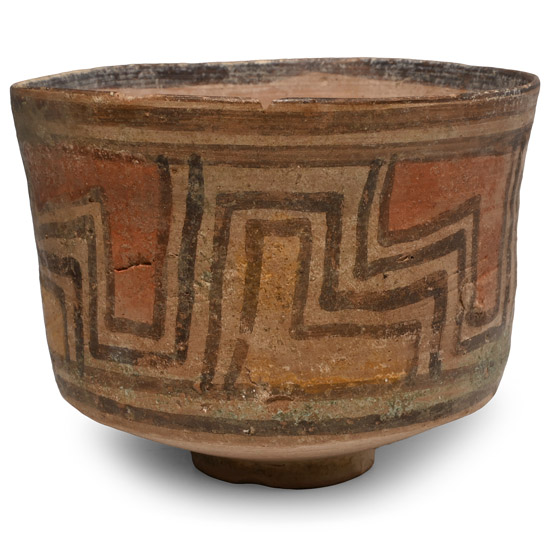
Indus Valley Painted Geometric Pottery Bowl
3rd millennium B.C.Sold for (Inc. bp): £416
Drum-shaped with gently carinated base and narrow foot, the outer body displaying polychrome painted L-shaped panels. 130 grams, 95 mm
with Balakh Carpets, 2003. Private collection, Europe. -
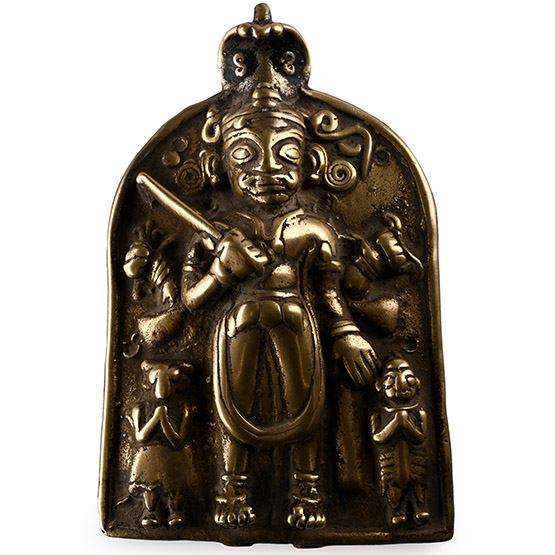
Sacred Brass Plaque with Shiva and Attendants
India, 19th century A.D.Sold for (Inc. bp): £59
Tongue-shaped plaque with half-round facing figure of Virabhadra Shiva, flanked with attendants. 563 grams, 17.5 cm
From an important collection of Hindu art formed by Jeffrey Romer, 1990s. Ex central London, UK, gallery. -
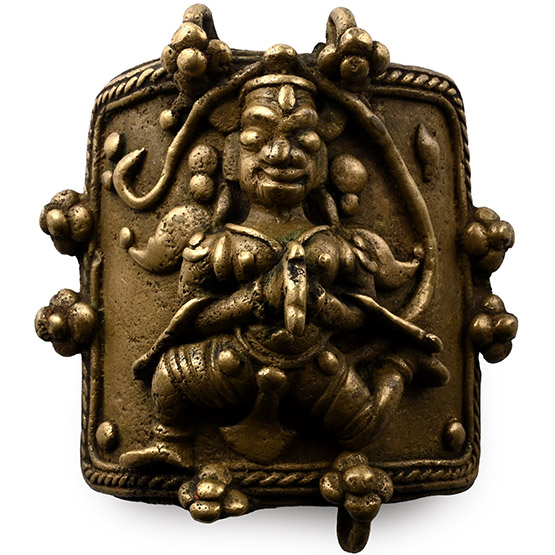
Sacred Copper-alloy Bracelet Plaque with Hindu God
India, 19th century A.D.Sold for (Inc. bp): £85
A rectangular bracelet plaque with seven loops, half-round crouching Hanuman(?) with a par of wings and long tail curved above head, clasped hands. 329 grams, 91 cm
From an important collection of Hindu art formed by Jeffrey Romer, 1990s. Ex central London, UK, gallery.
