
Loading, please wait...
LOT 2673
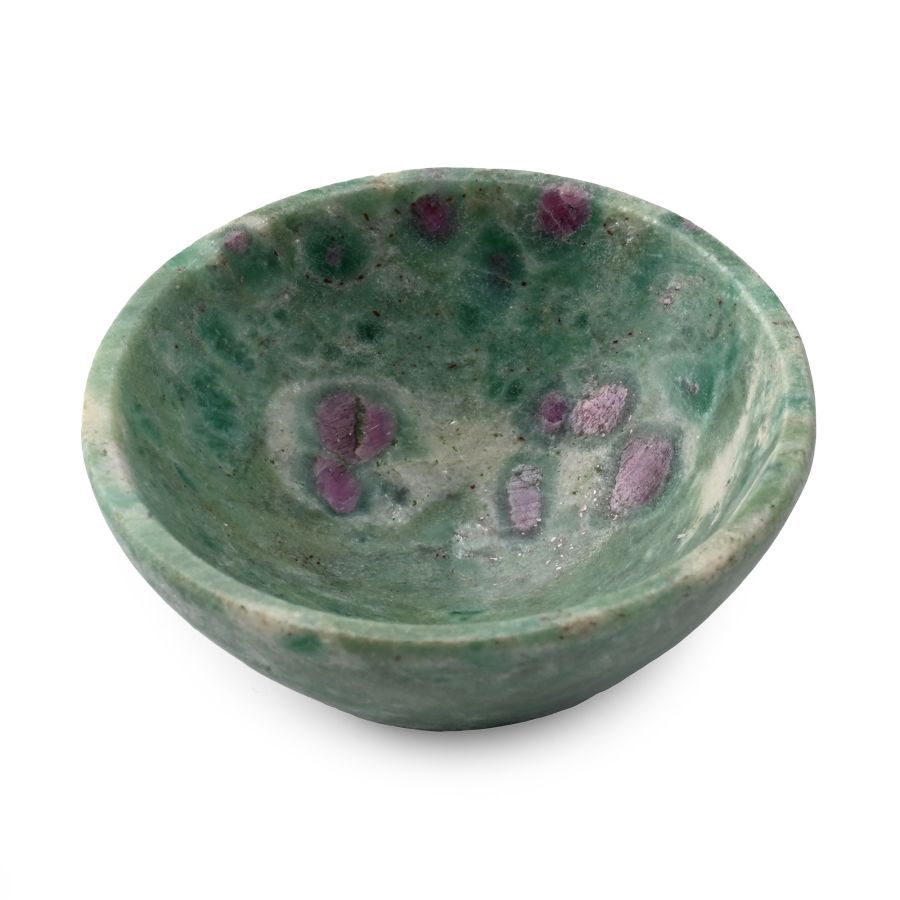
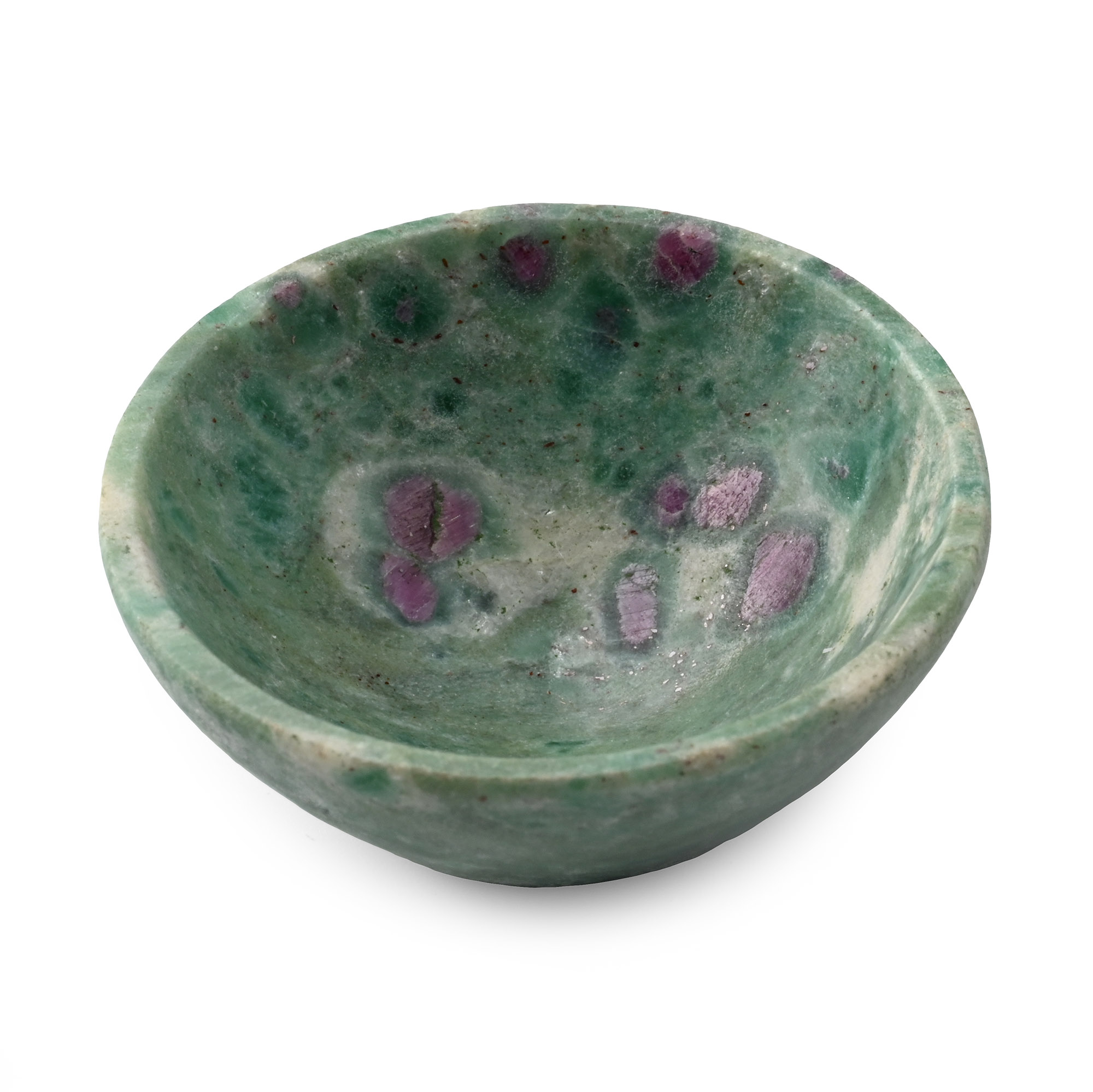
Ruby in Zoisite Mineral Display Specimen
1 3/8 in. (9.9 grams, 34 mm).
A small bowl carved from ruby in zoisite. [No Reserve]
ProvenanceProperty of a North West London, UK, lady.
CONDITIONTimeLine Auctions follows a vetting process to ensure the authenticity and legality of all items, reinforcing our commitment to integrity and responsible trading. Each antiquity, antique, and coin lot undergoes thorough examination by a vetting committee of at least ten external specialists, professional trade association members, scientists, and archaeologists: Our Vetting Process
AUCTIONS:
TimeLine is a leading auction house specialising in antiquities, ancient art, collectables, natural history, coins, medals, and books. Our auctions offer museums, collectors, historians, and enthusiasts the opportunity to acquire unique and historically significant pieces.
-
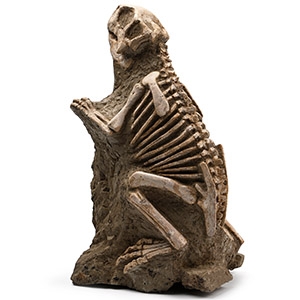
Psittacosaurus Fossil Dinosaur Skeleton
Circa 120-100 million years B.P.Sold for (Inc. bp): £5,616
Complete fossil skeleton of a Psittacosaurus revealed from its matrix. 3.33 kg, 25.3 cm
Found China/Mongolia. From a collection since 2004. Property of a North London, UK, gentleman. This lot has been checked against the Interpol Database of stolen works of art and is accompanied by a search certificate number no.12900-241544. -
.jpg)
English Natural Gold Nugget from Grimsby
Sold for (Inc. bp): £468
Irregular naturally-occurring nugget with pitted surface; in a display container. 5.34 grams, 19 mm
Found Grimsby, UK. Property of an Essex, UK, gentleman. -
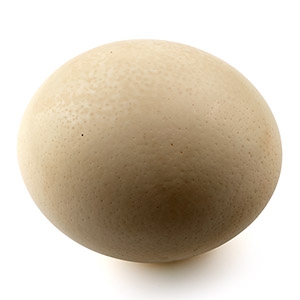
Blown Ostrich Egg for Display
Sold for (Inc. bp): £26
Large size egg with a hole at the base. 232 grams, 14 cm
From the private collection of Kenneth Machin (1936-2020), Buckinghamshire, UK; his collection of antiquities and natural history was formed since 1948; thence by descent.
