
Loading, please wait...
LOT 0525
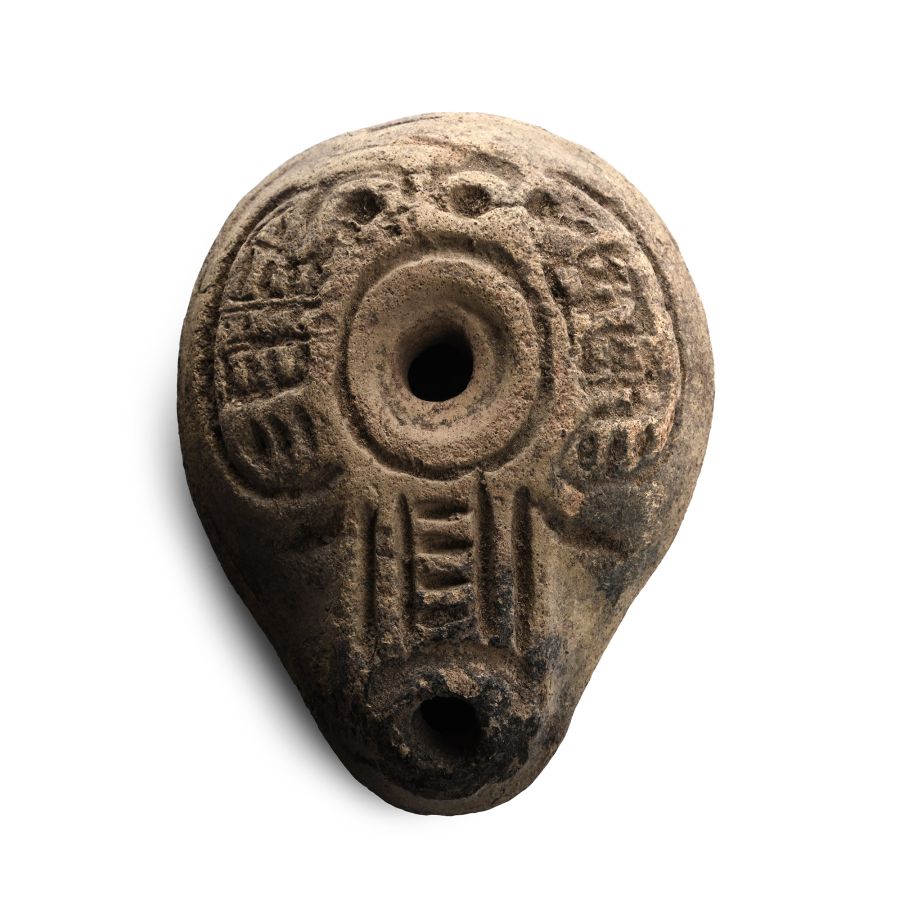
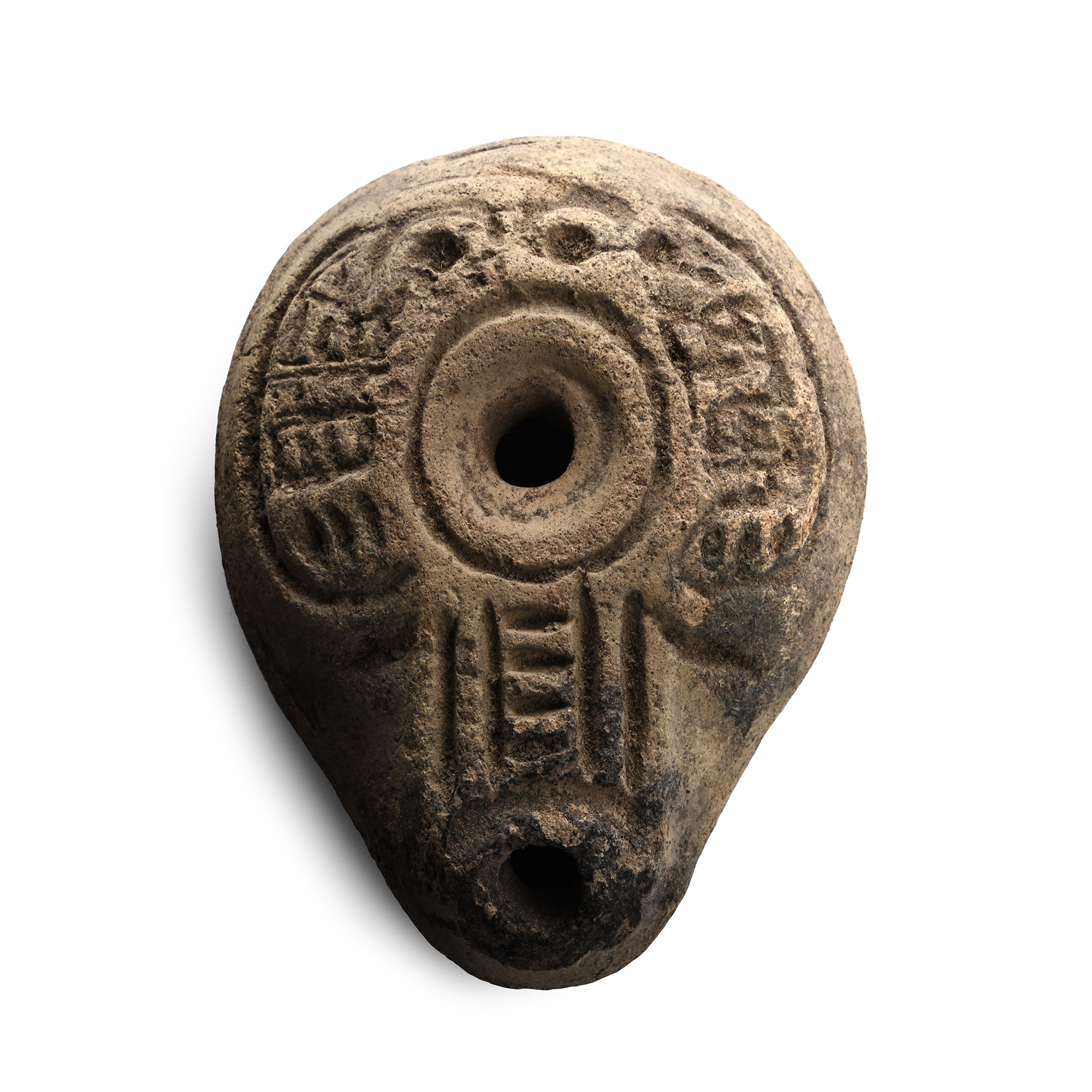
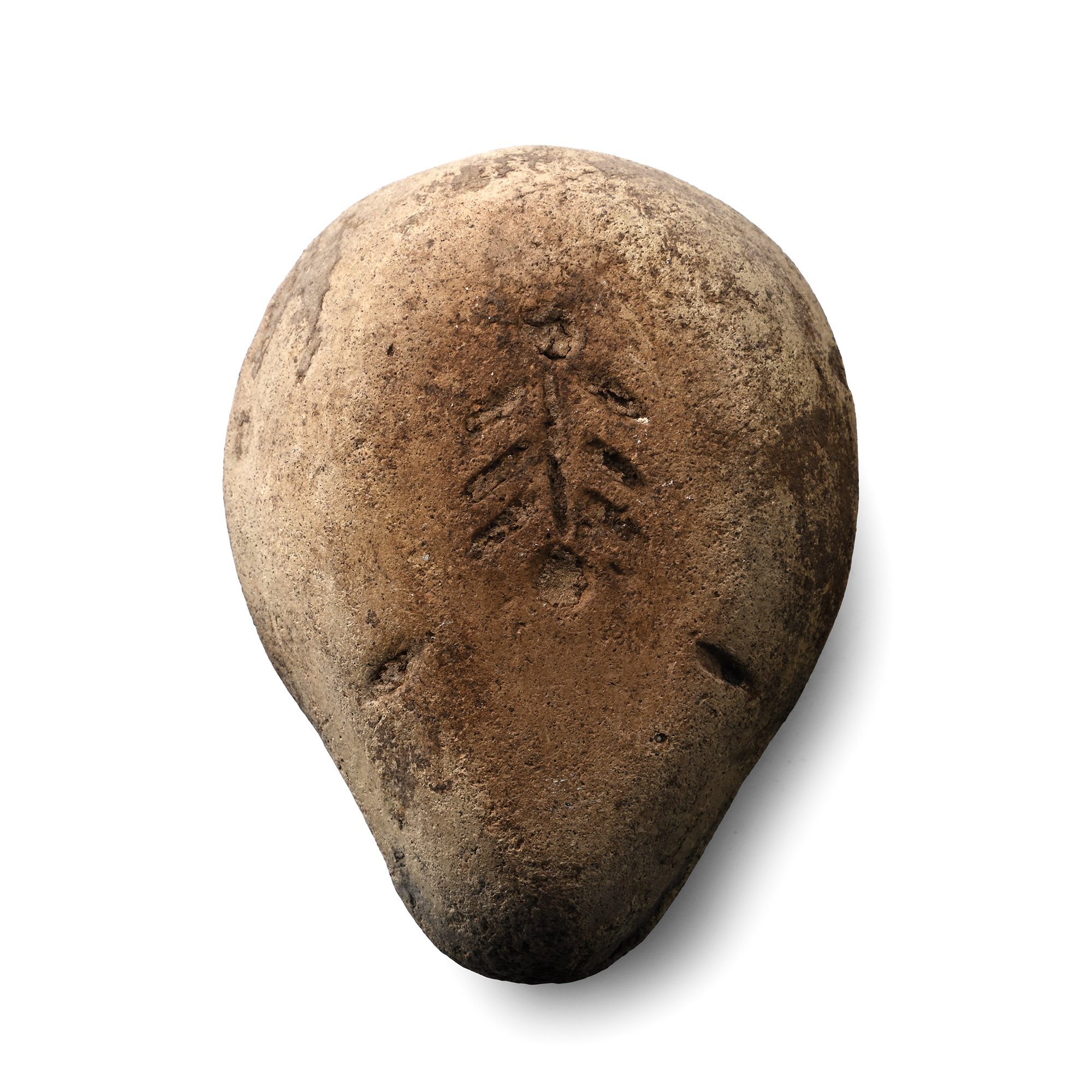
Romano-Egyptian Terracotta Frog Lamp
CIRCA 2ND-3RD CENTURY A.D.
3 in. (86 grams, 77 mm).
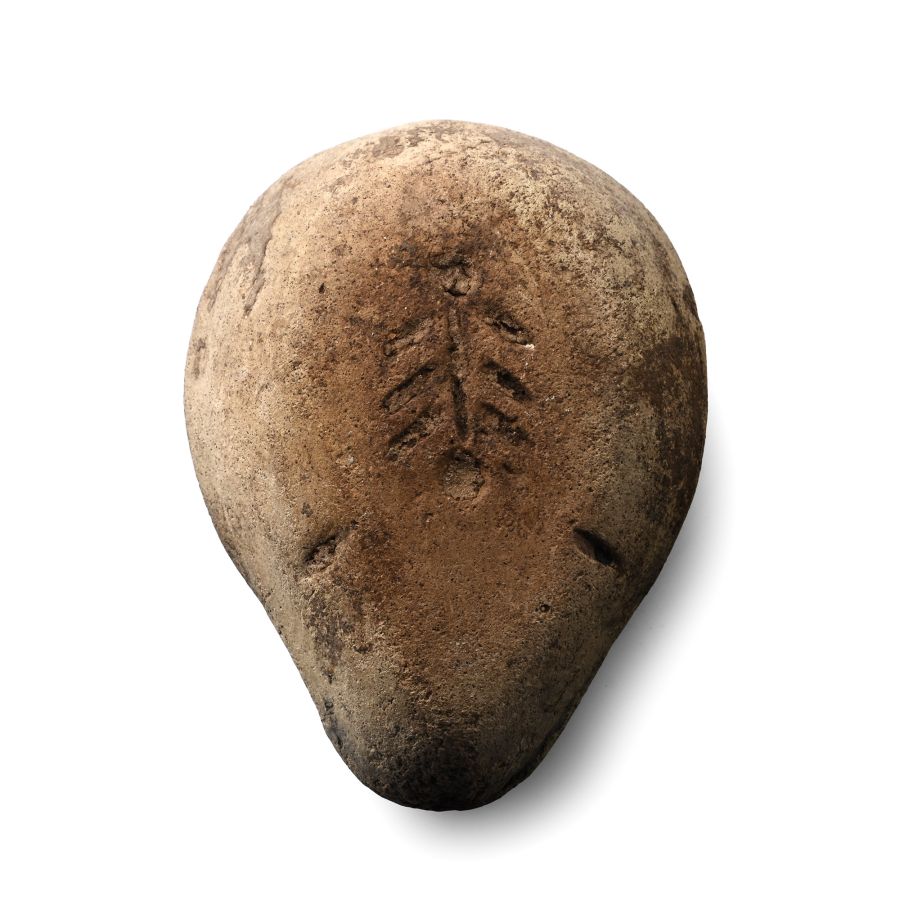
Ovoid-shaped and biconvex in section, decorated with a frog design; impressed palmette maker's mark to the base [No Reserve]
ProvenanceFrom the collection of a late Tavistock, Devon, UK, gentleman, formed from the 1990s.
LiteratureSee Bussière, J., Lindros Wohl, B., Ancient Lamps in the J. Paul Getty Museum, Malibu, 2017, p.366, for the type.
CONDITIONTimeLine Auctions follows a vetting process to ensure the authenticity and legality of all items, reinforcing our commitment to integrity and responsible trading. Each antiquity, antique, and coin lot undergoes thorough examination by a vetting committee of at least ten external specialists, professional trade association members, scientists, and archaeologists: Our Vetting Process
AUCTIONS:
TimeLine is a leading auction house specialising in antiquities, ancient art, collectables, natural history, coins, medals, and books. Our auctions offer museums, collectors, historians, and enthusiasts the opportunity to acquire unique and historically significant pieces.
-
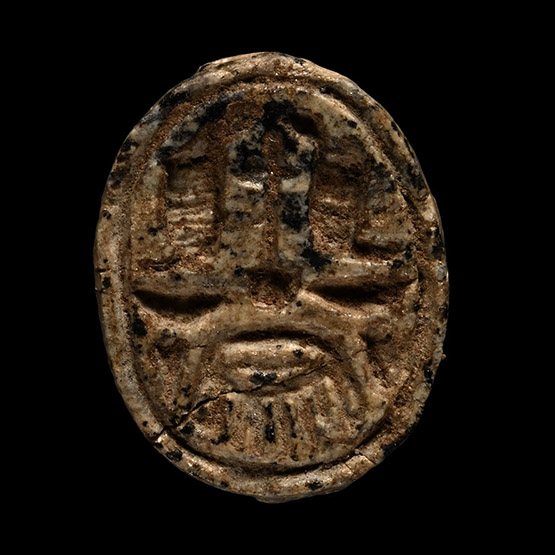
Egyptian Faience Scarab with Hieroglyphs
Late Period, 664-332 B.C.Sold for (Inc. bp): £156
Modelled as a scarab resting on a textured base with a tubular extension behind and before the head forming part of the piercing, the underside features two rearing cobras atop neb signs flanking a nefer sign, with a large nwb sign (meaning 'gold') below. 2.66 grams, 18 mm
From the property of a London, UK, gentleman, 1970-2000s. -
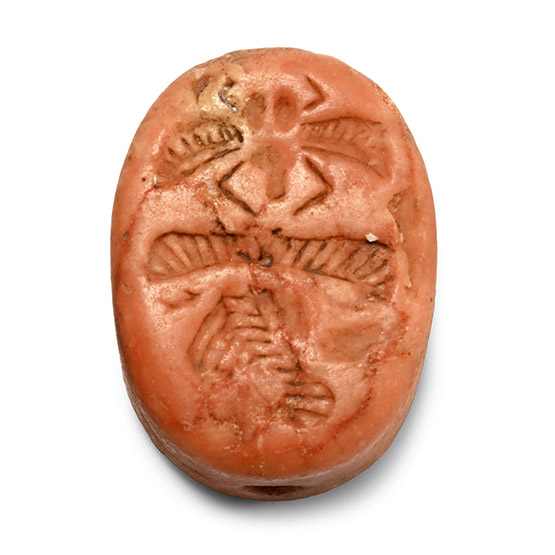
Phoenicio-Egyptian Orange Stone Scaraboid
1st millennium B.C.Estimate: £350 - 450 (+bp*)
Opening Bid: £194
Ellipsoid in plan with frieze comprising a large Maat feather, a winged sun disc, and a winged Khepri beetle. 13 grams, 27 mm
Ex collection of the late Mr S. M., London, UK, 1970-1990s. -
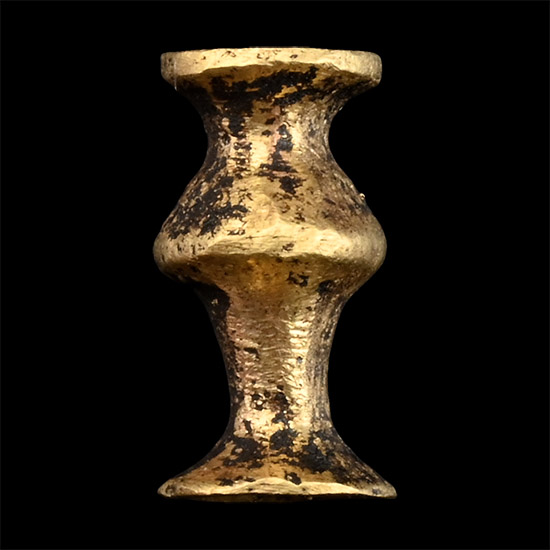
Egyptian Gold Vase-Shaped Bead
Late New Kingdom, 1279-1070 B.C.Sold for (Inc. bp): £234
With median baluster and flange to each end. 4.80 grams, 50 mm
Ex French collection, early 20th century.
This bead likely represents a hes vase, an important ritual vessel used for libations to both the living and the dead.
