
Loading, please wait...


LOT 0729
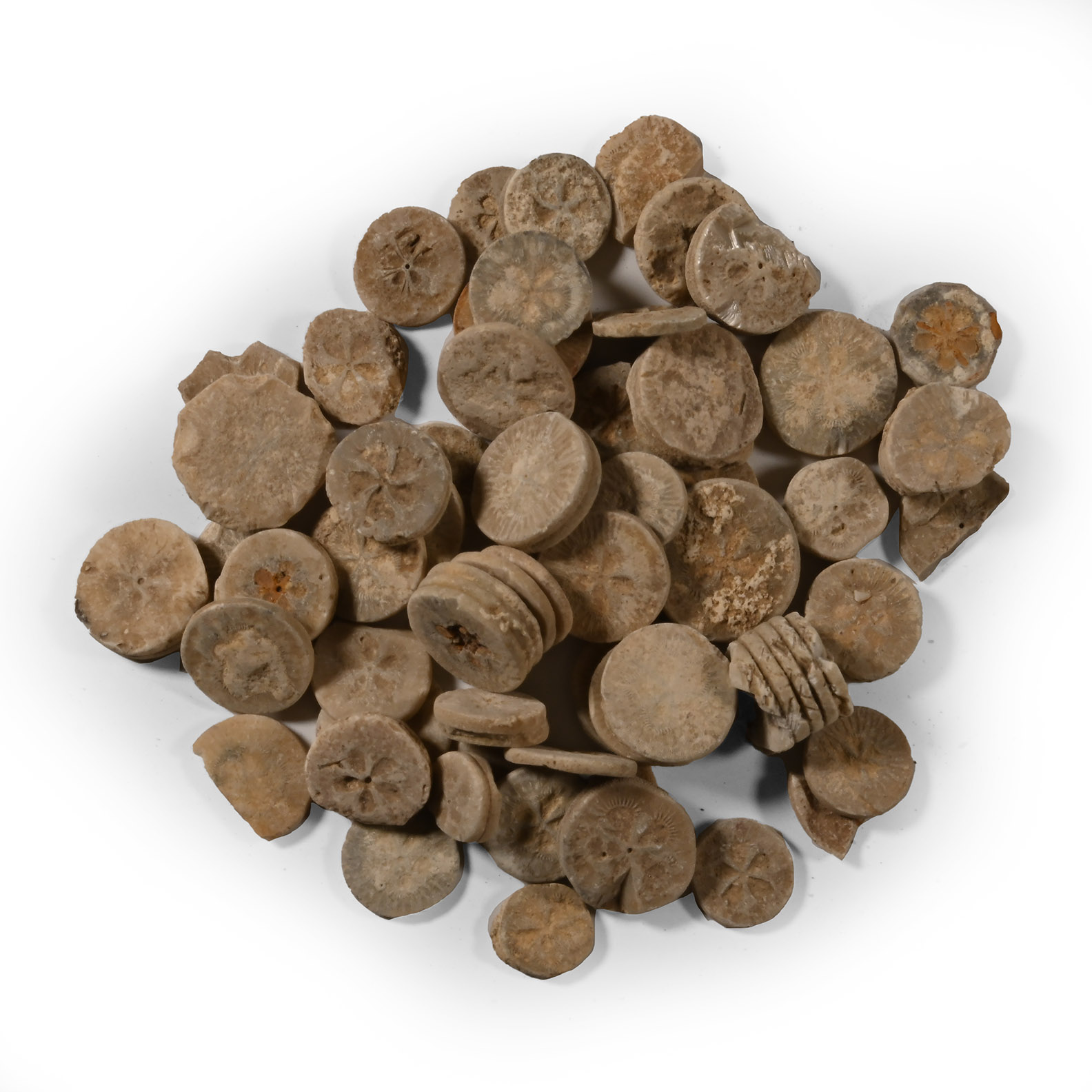
Romano-Egyptian Limestone 'Floral' Inlay Group
30 B.C.-323 A.D. OR EARLIER
1/4 - 3/4 in. (74 grams total, 8-19 mm).
Group of discoid inlay plaques or gaming counters, crinoids with cinquefoil motif. [61, No Reserve]
ProvenanceFrom a central London ADA dealership, 1980-1990.
FootnotesFlowers were symbolic of rebirth due to the daily reopening of their petals after nightfall. As a result, they were widely used in domestic settings, religious and funerary contexts, and as adornments. Similar rosette discs, like those recovered from the Ramesside Period palace at Qantir, were used as decorative elements in royal palaces.
CONDITIONTimeLine Auctions follows a vetting process to ensure the authenticity and legality of all items, reinforcing our commitment to integrity and responsible trading. Each antiquity, antique, and coin lot undergoes thorough examination by a vetting committee of at least ten external specialists, professional trade association members, scientists, and archaeologists: Our Vetting Process
AUCTIONS:
TimeLine is a leading auction house specialising in antiquities, ancient art, collectables, natural history, coins, medals, and books. Our auctions offer museums, collectors, historians, and enthusiasts the opportunity to acquire unique and historically significant pieces.
-
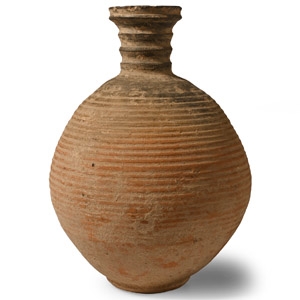
Roman Ribbed Terracotta Vase
1st-4th century A.D.Sold for (Inc. bp): £72
With bulbous body and trumpet-shaped mouth; bands of rouletting to the sidewall below the shoulder, corrugated profile to the neck and mouth. 369 grams, 18 cm
From a family collection mostly formed in the 1940s-1950s, thence by descent. -
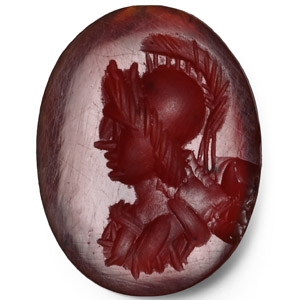
Roman Gemstone with Head of Minerva
2nd-3rd century A.D.Sold for (Inc. bp): £169
Carnelian with intaglio profile bust wearing a helmet; supplied with a museum-quality impression. 0.64 grams, 15 cm
Acquired 1980-2015. Ex Abelita family collection. -
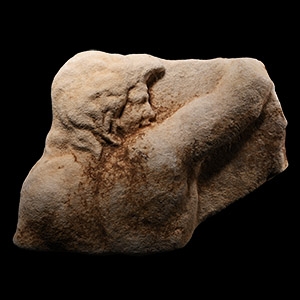
Roman Marble Relief Fragment with Satyr
1st century A.D.Sold for (Inc. bp): £1,560
Depicted nude and shown from behind, his right arm raised and face shown in profile. 3.45 kg, 24 cm
Acquired in the mid 1980s-1990s. Private collection, Switzerland, thence by descent. Private collection, since the late 1990s.
