
Loading, please wait...
LOT 1702
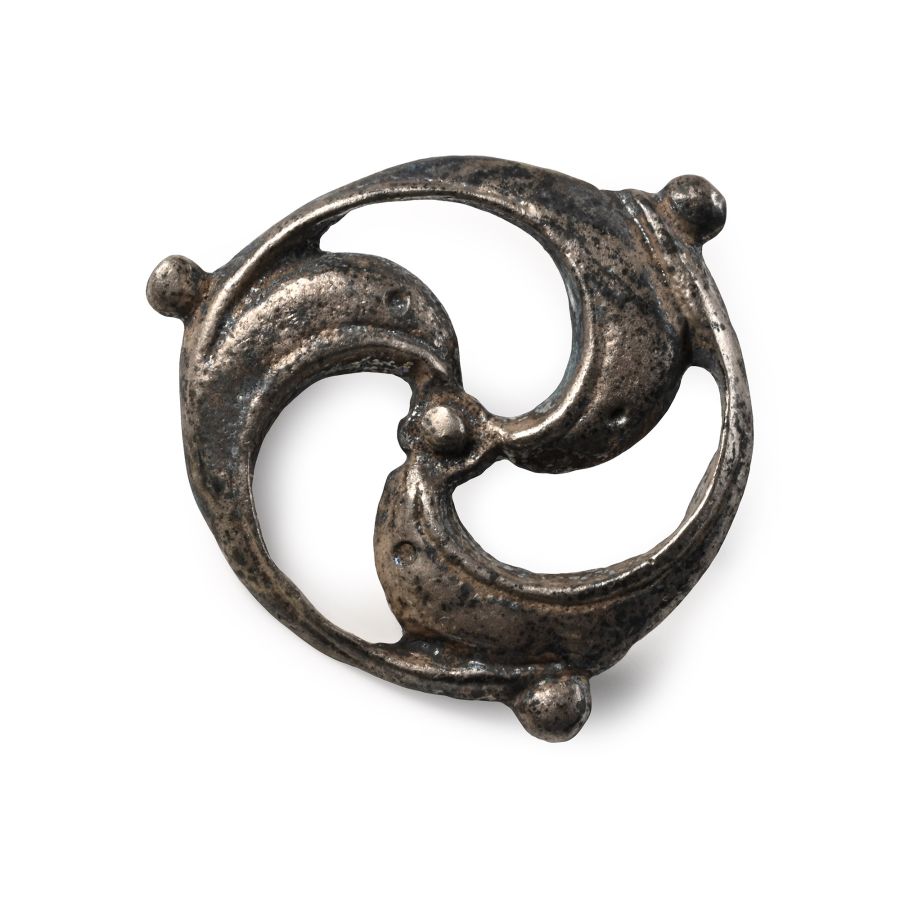
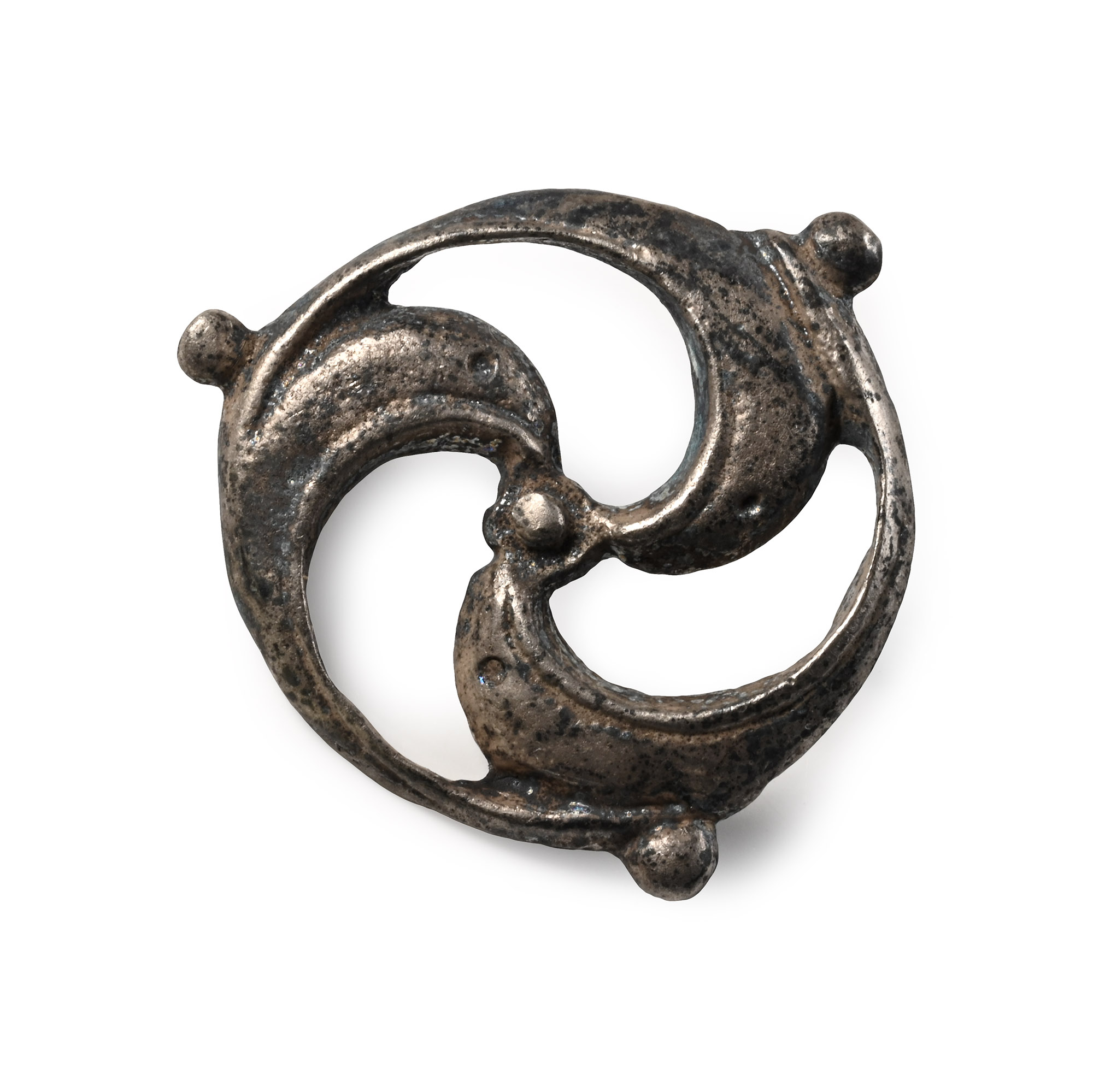
Romano-Celtic Silver Triskele Dolpin Brooch
CIRCA 2ND CENTURY A.D.
1 1/4 in. (8.23 grams, 31 mm).
Discoid in plan with central granule and three more to the rim; openwork comma-leaf motif; pin-lugs and catch to reverse.
ProvenanceEx German art market, 2000s.
Acquired from an EU collector living in London.
From the collection of a Surrey, UK, gentleman.
TimeLine Auctions follows a vetting process to ensure the authenticity and legality of all items, reinforcing our commitment to integrity and responsible trading. Each antiquity, antique, and coin lot undergoes thorough examination by a vetting committee of at least ten external specialists, professional trade association members, scientists, and archaeologists: Our Vetting Process
AUCTIONS:
TimeLine is a leading auction house specialising in antiquities, ancient art, collectables, natural history, coins, medals, and books. Our auctions offer museums, collectors, historians, and enthusiasts the opportunity to acquire unique and historically significant pieces.
-
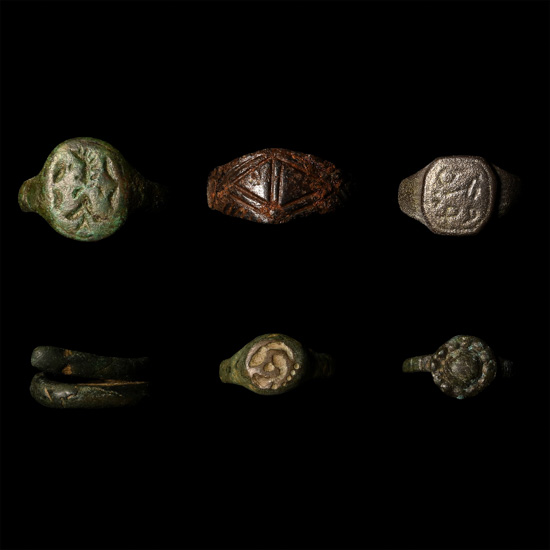
Celtic to Medieval Bronze Ring Collection
1st century B.C.-16th century A.D.Sold for (Inc. bp): £130
Comprising: five rings with decorative bezels; a coiled ring with linear decoration. 23.39 grams total, 20-25 mm
Acquired on the UK and EU art market before 2000. From the private collection of a Surrey, UK, gentleman.
The collection includes one complete copper-alloy finger ring of late Iron Age to Roman date (200 BC - AD 200). It is coiled into a spiral of two and a half turns. Both extremities terminate in a square end with rounded corners. -
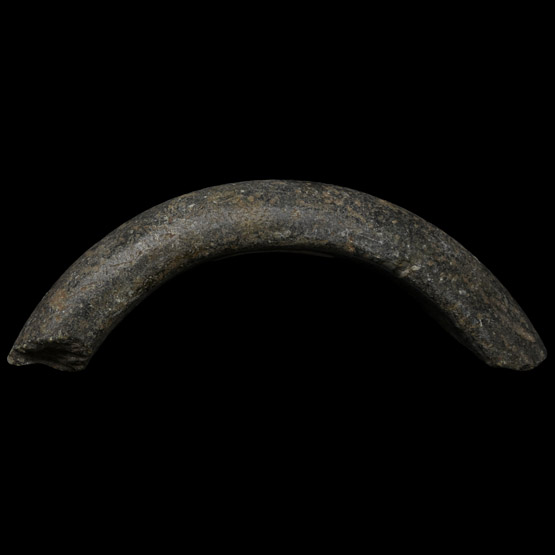
Celtic Shale Bracelet Fragment
Iron Age, 4th-1st century B.C.Sold for (Inc. bp): £39
Plano-convex in section and curved in profile with polished faces; old collector's label to inner face' Broch / Nordwall / Caithness'. 70 grams, 10.5 cm
From the private collection of a West Midlands lady collector. -
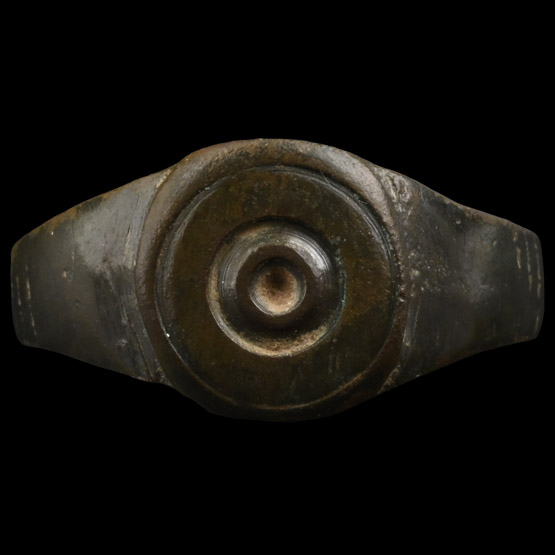
British Celtic Bronze Ring with Concentric Design
2nd-1st century B.C.Sold for (Inc. bp): £91
Comprising a D-section hoop with horizontal lines at the shoulders, a discoid bezel with ring-and-dot design. 3.35 grams, 23.20 mm overall, 20.54 mm internal diameter (approximate size British U 1/2, USA 10 1/4, Europe 23.15, Japan 22)
Found Norfolk, UK. Acquired on the UK and EU art market before 2000. From the private collection of a Surrey, UK, gentleman.
Similar types of Celto-Roman bronze rings were found in the Thames in spoil heaps dating to the 1st century A.D. The most prolific finger rings in use throughout the Roman occupation were in bronze, and some forms were borrowed from Celtic arts and patterns.
