
Loading, please wait...


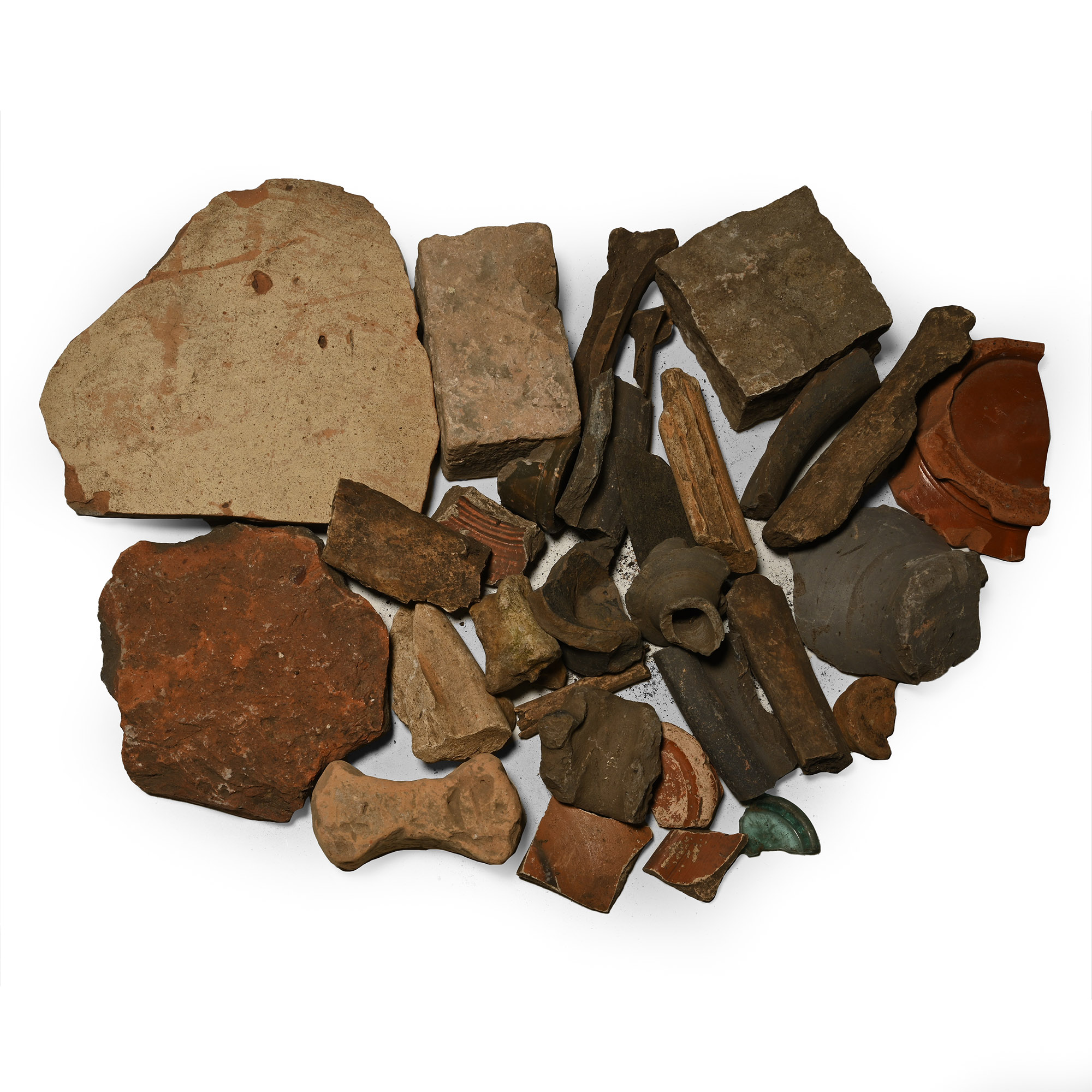
LOT 0960
Romano-British Terracotta Vessel Fragment Collection from Crococolana
1ST-4TH CENTURY A.D.
1 3/8 - 6 1/4 in. (2.81 kg total, 3.5-16 cm).
Including fragments of tableware, storage vessels, and other items. [30, No Reserve]
ProvenanceFound from the Roman settlement of Crococolana, Brough, Lincolnshire, UK, 2003-2005.
Ian Wilkinson collection, Nottinghamshire, UK, formed since 1985.
This lot is accompanied by an illustrated lot declaration signed by the Head of the Antiquities Department, Dr Raffaele D’Amato.
TimeLine Auctions follows a vetting process to ensure the authenticity and legality of all items, reinforcing our commitment to integrity and responsible trading. Each antiquity, antique, and coin lot undergoes thorough examination by a vetting committee of at least ten external specialists, professional trade association members, scientists, and archaeologists: Our Vetting Process
AUCTIONS:
TimeLine is a leading auction house specialising in antiquities, ancient art, collectables, natural history, coins, medals, and books. Our auctions offer museums, collectors, historians, and enthusiasts the opportunity to acquire unique and historically significant pieces.
LOT 0960
Romano-British Terracotta Vessel Fragment Collection from Crococolana
Sold for (Inc. bp): £20
-
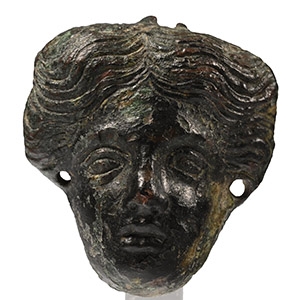
Roman Bronze Female Head Applique
2nd-3rd century A.D.Estimate: £200 - 300 (‡+bp*)
Opening Bid: £90
Forehead framed by long centrally parted wavy tresses, almond-shaped eyes with pronounced lids, ears pierced for attachment, smoothed back, remains of suspension loop on top of head; mounted on a custom-made display stand. 25.3 grams total, 61 mm including stand
Ex V.R., Basel, prior to 2000. Accompanied by a copy of an Art Loss Register certificate no.S00034415. This lot is accompanied by an illustrated lot declaration signed by the Head of the Antiquities Department, Dr Raffaele D’Amato. -
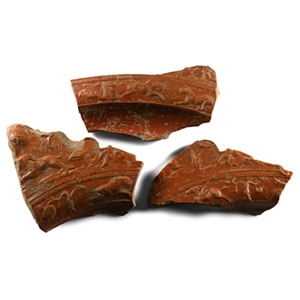
Roman Redware Vessel Fragment Group
4th century A.D.Sold for (Inc. bp): £78
Comprising three fragments from a large dish, each with a running frieze of animals; one with a leaping ibex and tree behind; one with two attacking lions; one with a bull charging at a large dog, an altar behind the bull. 153 grams total, 9.8-10.5 cm
Ex German art market, 2000s. Acquired from an EU collector living in London. From the collection of Surrey, UK, gentleman. This lot is accompanied by an illustrated lot declaration signed by the Head of the Antiquities Department, Dr Raffaele D’Amato. -
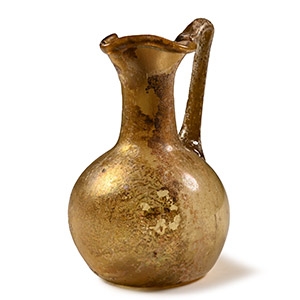
Roman Glass Flask with Handle
1st-3rd century ADSold for (Inc. bp): £468
Amber glass flask with bulbous body, dimple base, tapering neck, flared mouth folded into a pouring lip, applied handle to the rear. 57 grams, 11.5 cm
From a London, UK, collection, 1990s. This lot is accompanied by an illustrated lot declaration signed by the Head of the Antiquities Department, Dr Raffaele D’Amato.
