
Loading, please wait...
LOT 0951
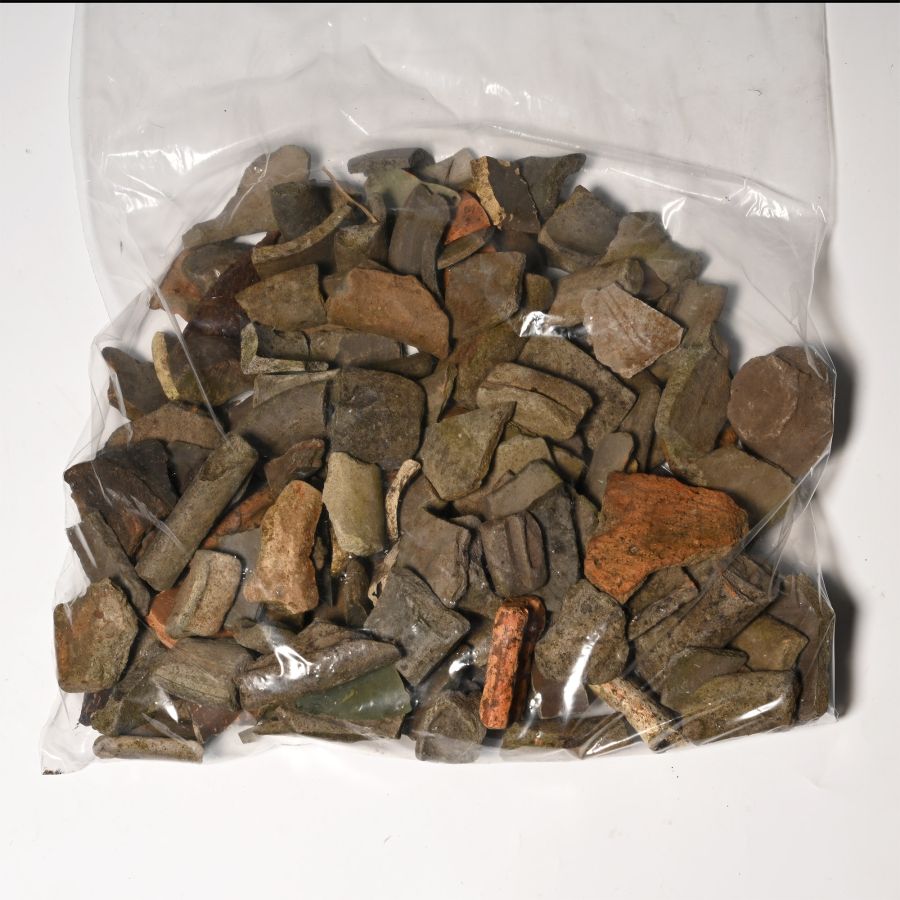
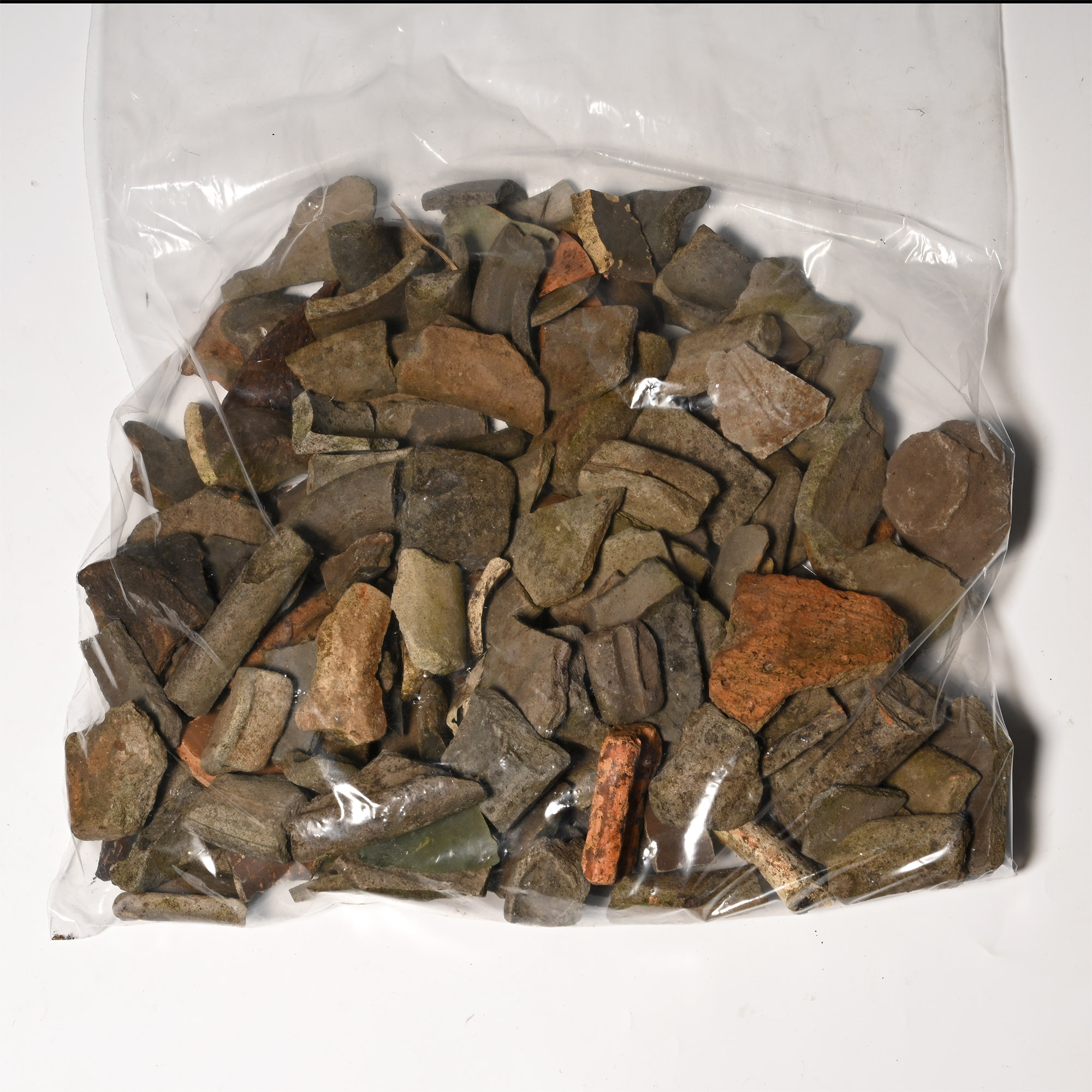
Romano-British Pottery Sherd Collection from Crococolana
1ST-4TH CENTURY A.D.
1 3/8 - 2 1/2 in. (3.59 kg total, 36-64 mm).
A mixed group of pottery fragments from vessels and other items. [No Reserve]
ProvenanceFound at the Roman settlement of Crococolana, Brough, Lincolnshire, UK, 2003-2005.
Ian Wilkinson collection, Nottinghamshire, UK, formed since 1985.
This group is for UK buyers only.
TimeLine Auctions follows a vetting process to ensure the authenticity and legality of all items, reinforcing our commitment to integrity and responsible trading. Each antiquity, antique, and coin lot undergoes thorough examination by a vetting committee of at least ten external specialists, professional trade association members, scientists, and archaeologists: Our Vetting Process
AUCTIONS:
TimeLine is a leading auction house specialising in antiquities, ancient art, collectables, natural history, coins, medals, and books. Our auctions offer museums, collectors, historians, and enthusiasts the opportunity to acquire unique and historically significant pieces.
LOT 0951
Romano-British Pottery Sherd Collection from Crococolana
Sold for (Inc. bp): £26
-
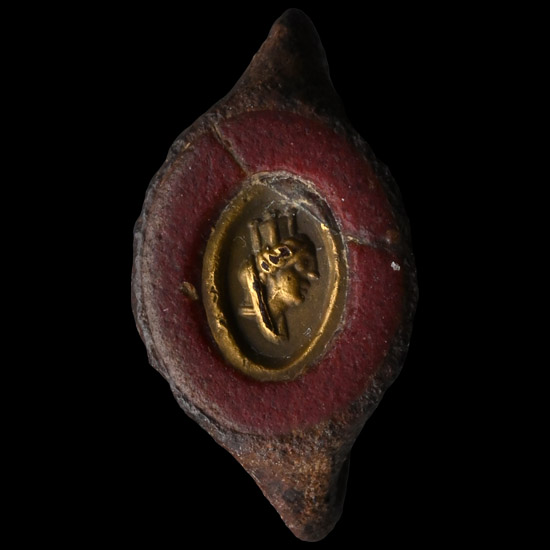
Roman Bronze Portrait Intaglio in Iron Ring
1st-2nd century A.D.Sold for (Inc. bp): £260
Ellipsoid bezel with inset bronze plaque in a red glass surround; low-relief profile bust with solar crown. 2.70 grams, 20.86 mm overall, 16.97 mm internal diameter (approximate size British G 1/2, USA 3 1/2, Europe 5.55, Japan 5)
From the collection of a gentleman, acquired on the London art market in the 1990s. -
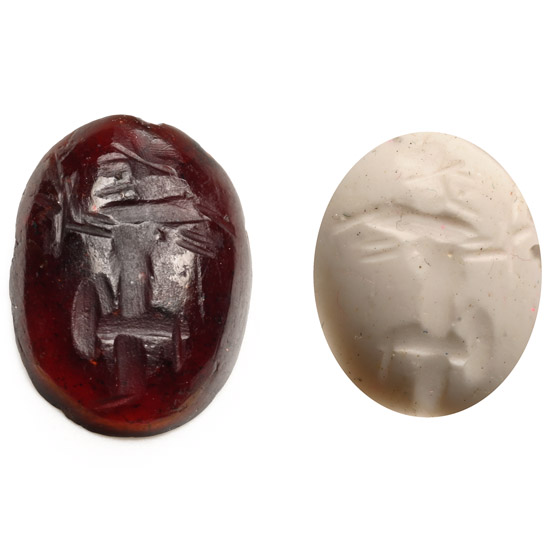
Roman Glass Gem with Hercules
2nd-3rd century A.D.Sold for (Inc. bp): £46
With intaglio Hercules with club in his extended hand; supplied with a museum-quality impression. 0.62 grams 12.02 mm
From the private collection of a European gentleman (1942-2024), formed since the 1970s. -
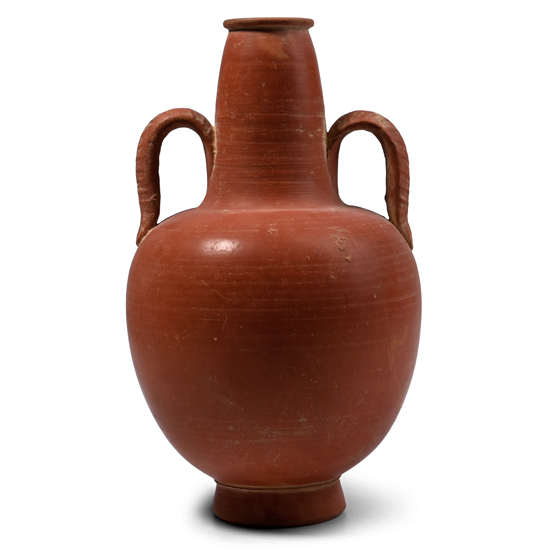
Roman Red Ware Amphora-Shaped Vase
Circa 3rd-4th century A.D.Sold for (Inc. bp): £416
With bulbous body and gently flared foot, deep shoulder, tall neck with everted rim to the mouth, two lateral loop handles with moulded herringbone detailing. 370 grams, 21.3 cm
From the private collection of Mr Brian Edwards, New Malden, Surrey, UK, formed from the late 1970s-early 1980s; thence by descent. Accompanied by the original collector's data sheet with reference no.A56, and original invoice dated 15 June 1989.
