
Loading, please wait...


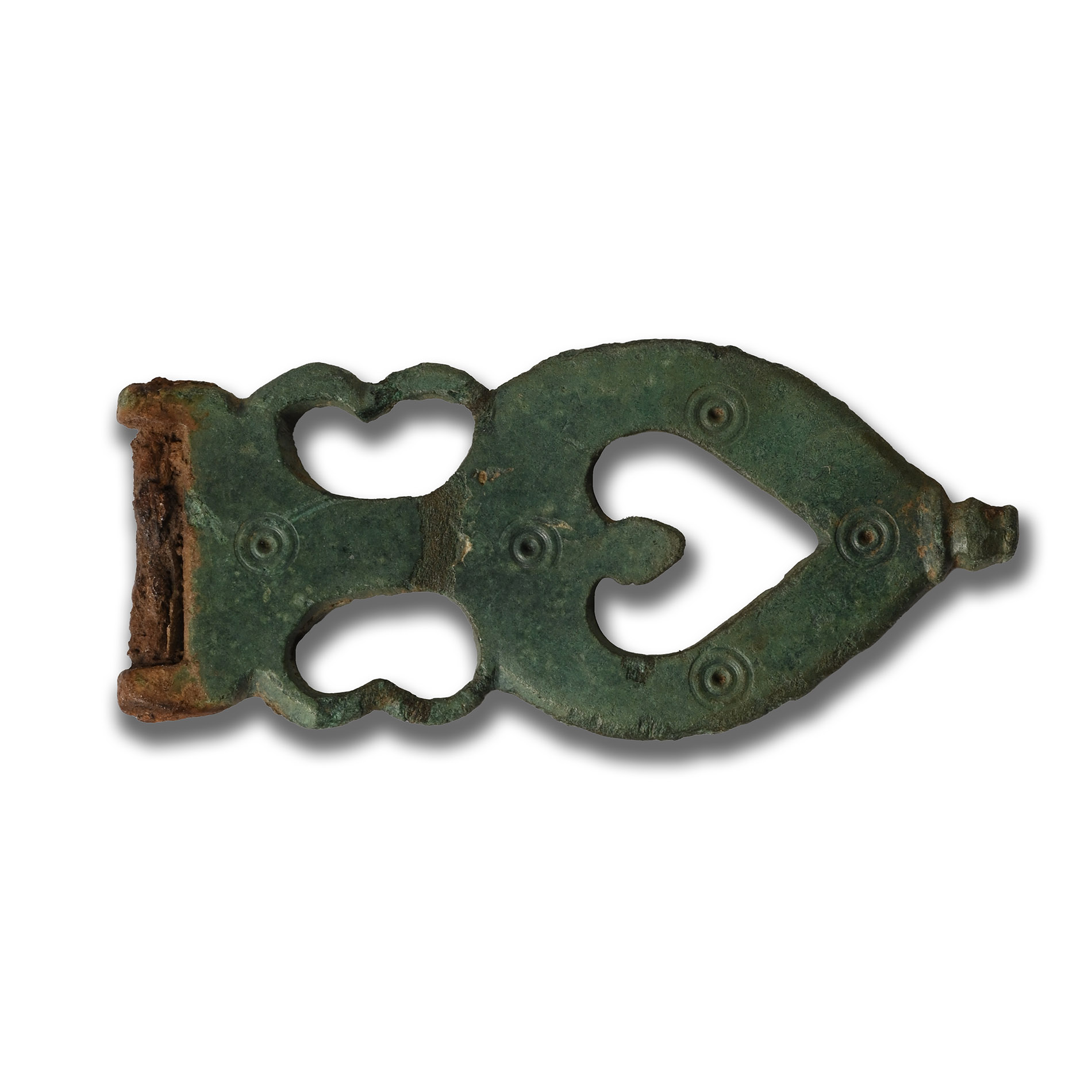
LOT 0921
Romano-British Military Bronze Strap End
4TH CENTURY A.D.
1 7/8 in. (6.89 grams, 48 mm).
Amphora-type with openwork heart to centre and scrolled handles; ferrous encrustation at attachment. [No Reserve]
ProvenanceFound near Wetwang, North Yorkshire, UK, in the early 2000s.
Acquired in the UK circa 2006.
Ian Wilkinson collection, Nottinghamshire, UK, formed since 1985.
This lot is accompanied by an illustrated lot declaration signed by the Head of the Antiquities Department, Dr Raffaele D’Amato.
Cf. for similar belt elements Miks, C., Studien zur Romischen Schwertbewaffnung in der Kaiserzeit, I-II Banden, Rahden, 2007, I, fig.62 (openwork plate with heart-shaped terminal).
CONDITIONTimeLine Auctions follows a vetting process to ensure the authenticity and legality of all items, reinforcing our commitment to integrity and responsible trading. Each antiquity, antique, and coin lot undergoes thorough examination by a vetting committee of at least ten external specialists, professional trade association members, scientists, and archaeologists: Our Vetting Process
AUCTIONS:
TimeLine is a leading auction house specialising in antiquities, ancient art, collectables, natural history, coins, medals, and books. Our auctions offer museums, collectors, historians, and enthusiasts the opportunity to acquire unique and historically significant pieces.
-
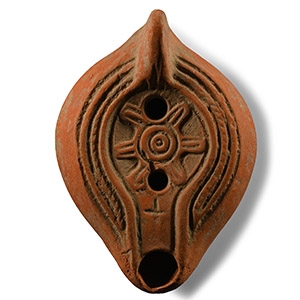
Roman Redware Oil Lamp with Christian Symbols
North Africa, circa 375-450 A.D.Sold for (Inc. bp): £124
Redware oil lamp of Hayes's type I, the discus decorated with a stylised blossom, a cross below, and grooved ridges around much of the perimeter; lug handle to rear, a low ring base to the underside with inscribed mark in the form of the Christogram symbol (Chi-Rho). 177 grams, 11.7 cm
From the private collection of H.L., Rhineland, Germany, since before 2000. Ex TimesAncient, Bristol, UK. Accompanied by a copy of a previous catalogue entry and old handwritten collector's ticket. This lot is accompanied by an illustrated lot declaration signed by the Head of the Antiquities Department, Dr Raffaele D’Amato. -
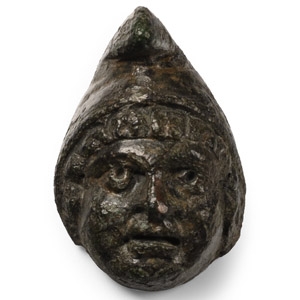
Roman Bronze Dacian Captive Head Mount
1st-2nd century A.D.Sold for (Inc. bp): £143
Modelled in the half-round with hollow reverse, male mask with curls of hair framing the rounded face surmounted by a Phrygian cap with point pulled forward. 13.7 grams, 23 mm
Ex German art market, 2000s. Acquired from an EU collector living in London. From the collection of Surrey, UK, gentleman. This lot is accompanied by an illustrated lot declaration signed by the Head of the Antiquities Department, Dr Raffaele D’Amato. -
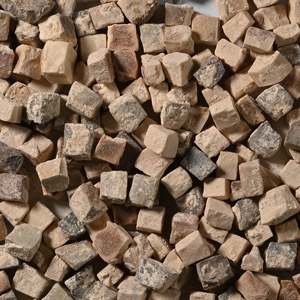
Roman Mosaic Stone Tesserae Group
1st-4th century A.D.Sold for (Inc. bp): £286
A mixed group of two hundred and fifty single tesserae of various colours and sizes, mostly cuboid. 346 grams total, 7-15 mm
From a collection acquired on the UK art market from various auction houses and collections mostly before 2000. From an important Cambridgeshire estate; thence by descent. This lot is accompanied by an illustrated lot declaration signed by the Head of the Antiquities Department, Dr Raffaele D’Amato.
