
Loading, please wait...
LOT 1049
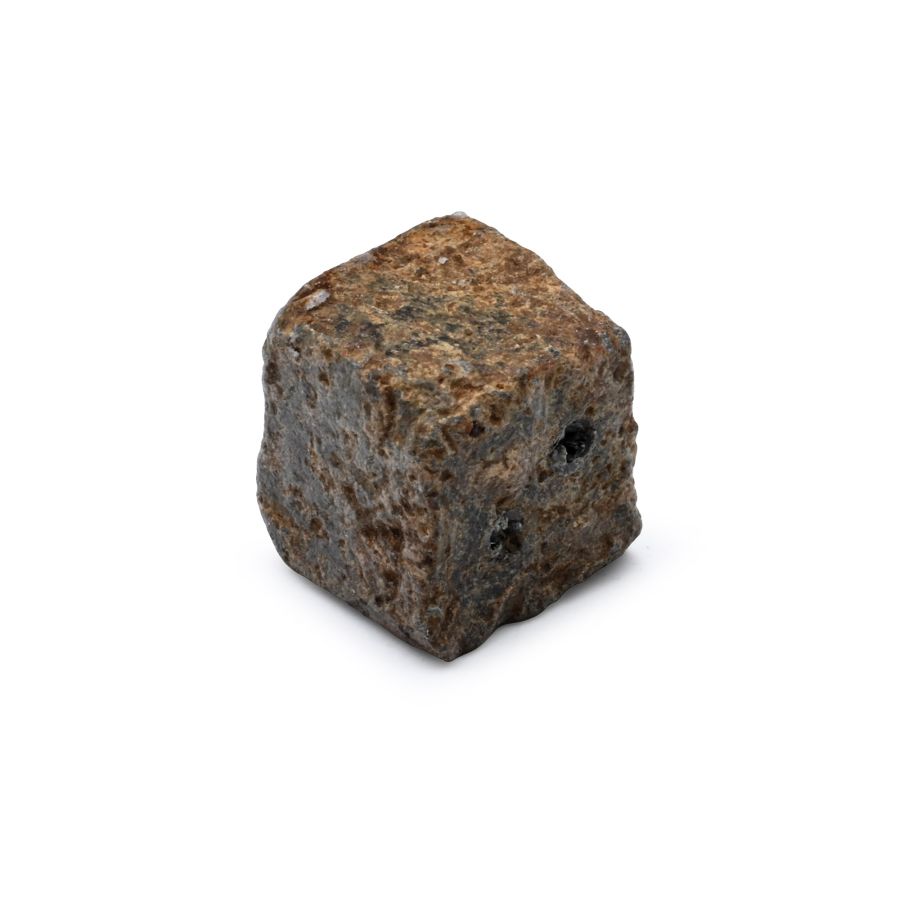
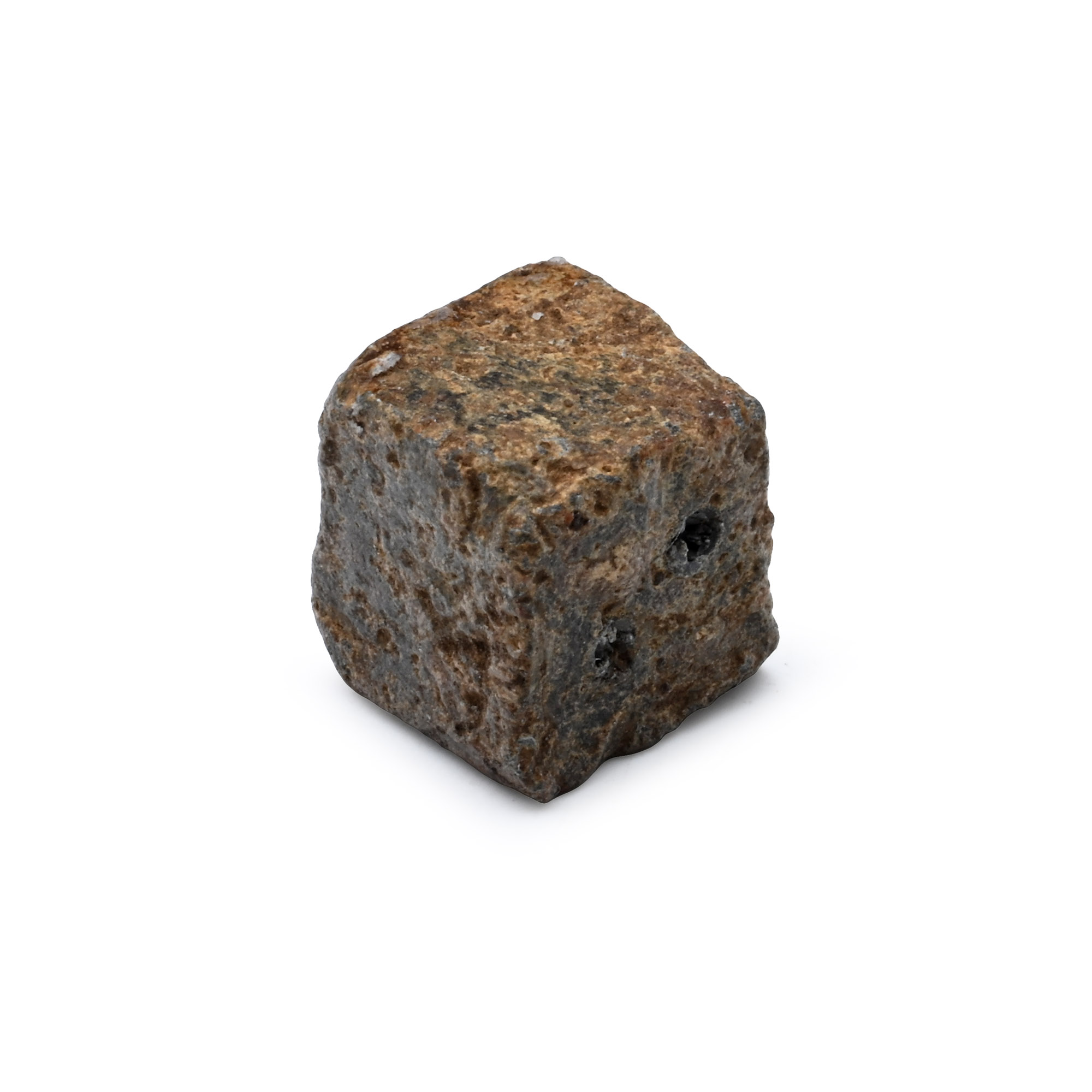
Romano-British Lead Gaming Die
ENGLAND, 1ST-3RD CENTURY A.D.
3/8 in. (6.42 grams, 9 mm).
Cuboid type with lightly-impressed pellet markings. [No Reserve]
ProvenanceFound UK.
From the collection of a Bedfordshire, UK, lady.
Cf. Allason-Jones, L. & Miket, R., The Catalogue of Small Finds from South Shields Roman Fort, Newcastle, 1984, item 2.82.
CONDITIONTimeLine Auctions follows a vetting process to ensure the authenticity and legality of all items, reinforcing our commitment to integrity and responsible trading. Each antiquity, antique, and coin lot undergoes thorough examination by a vetting committee of at least ten external specialists, professional trade association members, scientists, and archaeologists: Our Vetting Process
AUCTIONS:
TimeLine is a leading auction house specialising in antiquities, ancient art, collectables, natural history, coins, medals, and books. Our auctions offer museums, collectors, historians, and enthusiasts the opportunity to acquire unique and historically significant pieces.
-
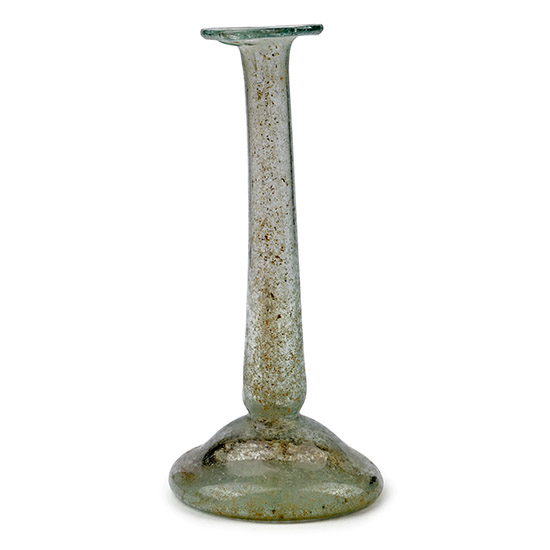
Roman Pale Green Glass Candlestick Unguentarium
Circa 2nd-3rd century A.D.Sold for (Inc. bp): £130
With a bell-shaped body, a tall, pinched neck, and a flared and rolled rim to the mouth. 29.8 grams, 13.6 cm
From the collection of a late Norfolk, UK gentleman's collection, formed from the late 1960s-1970s. -
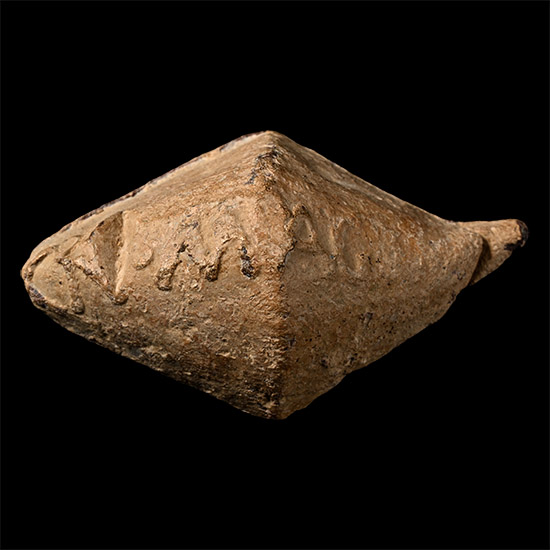
Roman Lead Cnaeus Pompey Battle of Munda Slingshot
1st century B.C.Sold for (Inc. bp): £221
Facetted lentoid-section sling shot (glans) with inscription in Latin letters 'CN' (Cneius) 'MAG' (Magnus) on one side, and 'IMP' for 'IMPERATOR' (victorious general) to the other side, i.e Gnaeus Pompeius Magnus Imperator (Pompey the Great the victorious general). 81grams, 43 mm
Previously from a private Spanish collection. Property of a Middlesex gentleman. Accompanied by a copy of a Spanish export licence. -
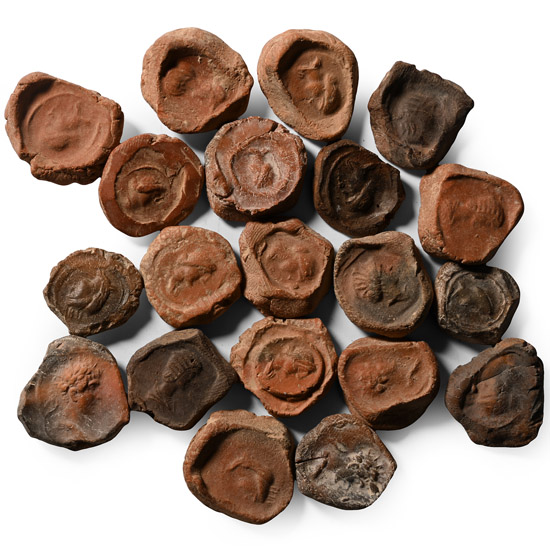
Roman Terracotta Bullae, Tesserae or Token Group
3rd century B.C.-1st century A.D.Sold for (Inc. bp): £247
A mixed group of ceramic bullae, tesserae or theatre tokens bearing low-relief motifs, mainly consisting of profile busts of deities. 35.5 grams total, 16-21 mm
From the private collection of a European gentleman (1942-2024), formed since the 1970s.
The term 'tessera' was used in Roman times to convey the Greek term σύμβολον (token). Small tiles are known as tokens, often shaped like coins, made of metal (copper, lead, iron), clay, bone, wood, or glass, stamped as well as engraved. The tokens, however, are not exclusively coin-shaped, as the Latin term 'tessera' refers to a four-sided shape. Tokens and tesserae seem to have been used both in Athens and Rome for the distribution of goods. According to written sources, the term ‘token’ is identified with credentials of the official authorities. They have also been interpreted as tokens of identity, as entrance tickets to theatre performances, tribunals or assemblies of citizens, archival material of seal engraving, as pawns in games, Charon’s obols and even as amulets.
