
Loading, please wait...
LOT 0700
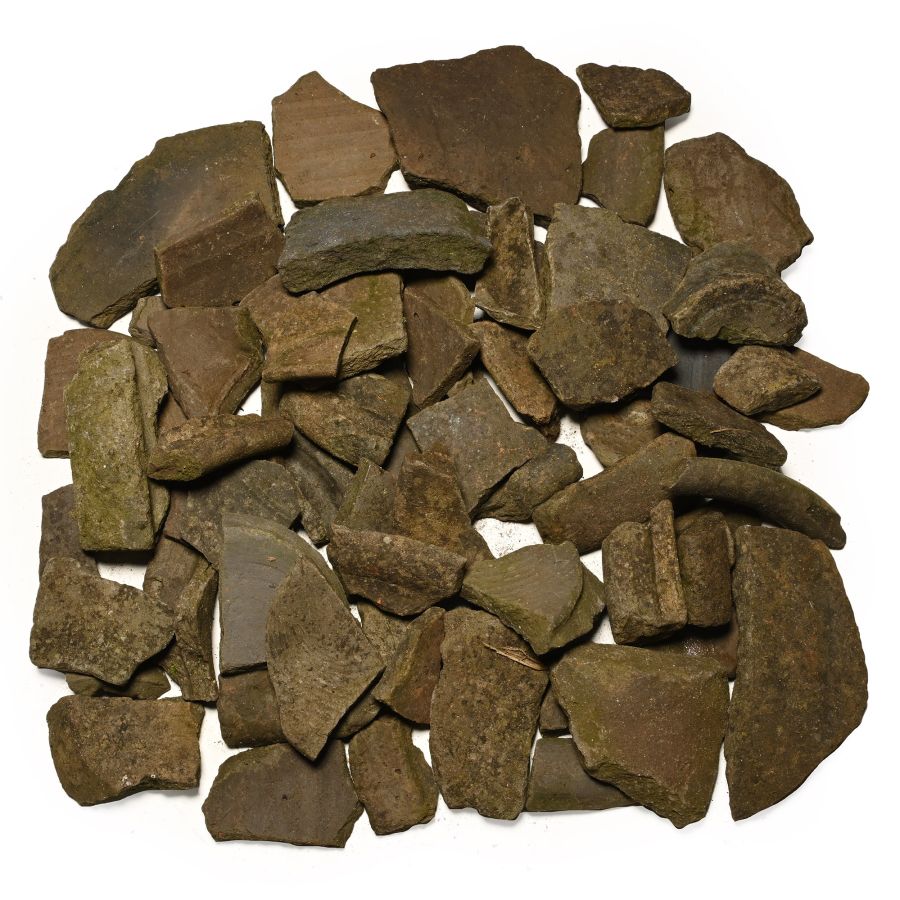
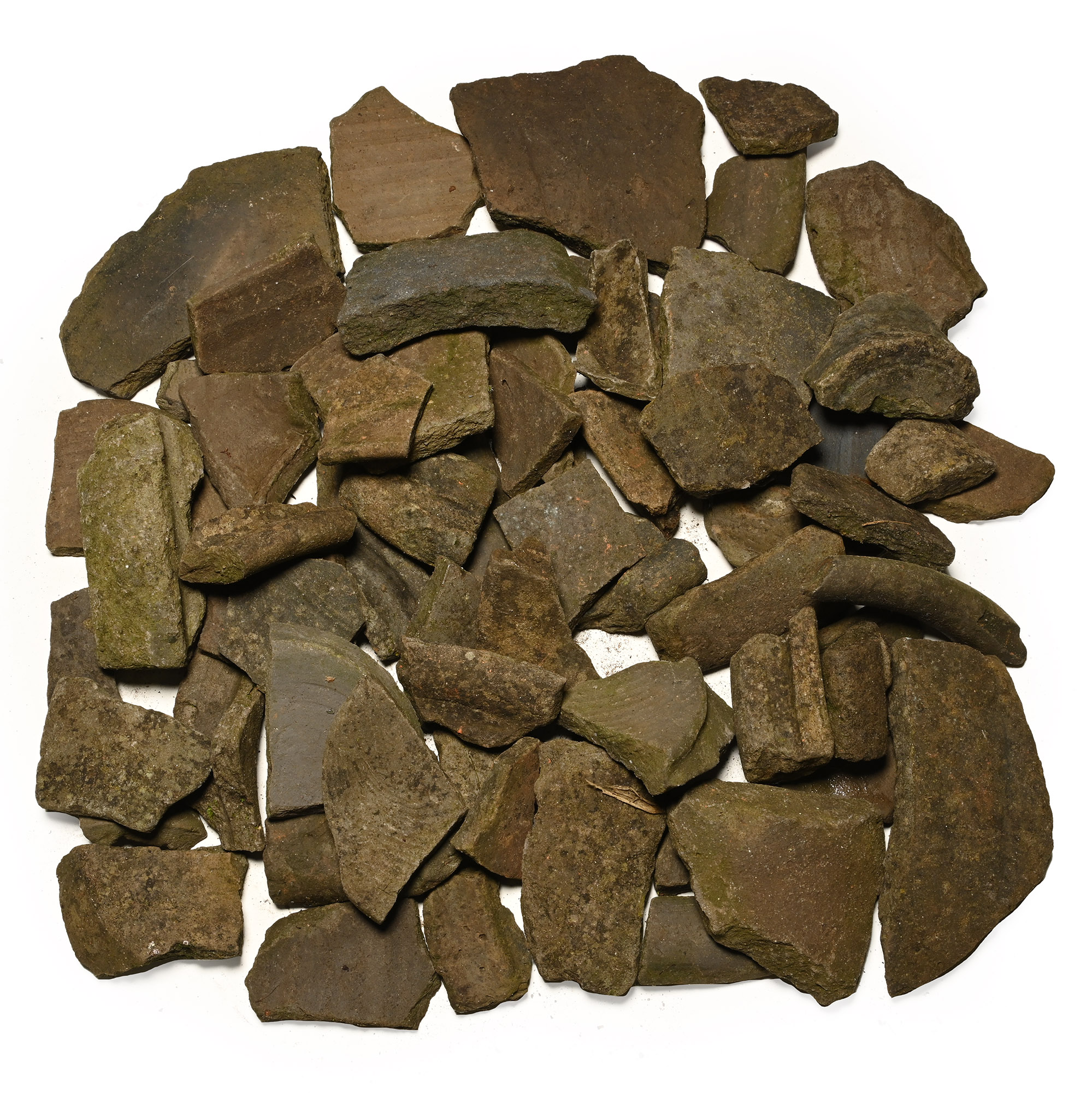
Romano-British Greyware and Other Pottery Sherd Group from Crocololana
3RD-4TH CENTURY A.D.
(3.33 kg total, 3.6-).
Including fragments of bowl rim, sidewall and other elements. [67, No Reserve]
ProvenanceFound whilst fieldwalking near Roman settlement of 'Crocololana', Borough, Lincolnshire, UK, 2003-2005.
Ian Wilkinson collection, Nottinghamshire, UK, formed since 1985.
This lot is accompanied by an illustrated lot declaration signed by the Head of the Antiquities Department, Dr Raffaele D’Amato.
TimeLine Auctions follows a vetting process to ensure the authenticity and legality of all items, reinforcing our commitment to integrity and responsible trading. Each antiquity, antique, and coin lot undergoes thorough examination by a vetting committee of at least ten external specialists, professional trade association members, scientists, and archaeologists: Our Vetting Process
AUCTIONS:
TimeLine is a leading auction house specialising in antiquities, ancient art, collectables, natural history, coins, medals, and books. Our auctions offer museums, collectors, historians, and enthusiasts the opportunity to acquire unique and historically significant pieces.
LOT 0700
Romano-British Greyware and Other Pottery Sherd Group from Crocololana
Sold for (Inc. bp): £7
-
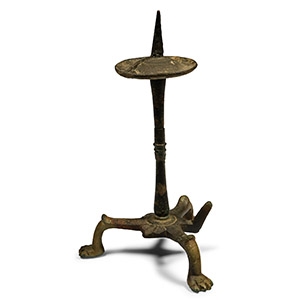
Late Roman Bronze Tripod Lamp Base
4th-6th century A.D.Sold for (Inc. bp): £572
Tripod base formed with lion-paw feet and rosette of interstitial panels, balustered stem and dished pan, central mounting spike; vertical spike handle to base. 330 grams, 19 cm
Acquired from Notaras Coins & Antiquities, Suffolk, UK, before 2000. Property of a Bedfordshire, UK, private collector. Accompanied by an illustrated collector's identification tag. This lot is accompanied by an illustrated lot declaration signed by the Head of the Antiquities Department, Dr Raffaele D’Amato. -
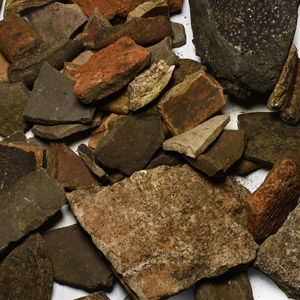
Romano-British Mixed Pottery and Other Sherd Group from Crocololana
3rd-4th century A.D.Sold for (Inc. bp): £7
Including fragments of tile, jug handle and other items. 4.41 kg total, 4.3-15 mm
Found whilst fieldwalking near Roman settlement of 'Crocololana', Borough, Lincolnshire, UK, 2003-2005. Ian Wilkinson collection, Nottinghamshire, UK, formed since 1985. This lot is accompanied by an illustrated lot declaration signed by the Head of the Antiquities Department, Dr Raffaele D’Amato. -
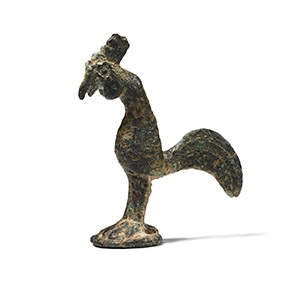
Roman Bronze Cockerel Statuette
1st-2nd century A.D.Sold for (Inc. bp): £247
Standing on a discoid base, wings folded to the flanks and head bent down. 15 grams, 43 mm
Ex German art market, 2000s. Acquired from an EU collector living in London. From the collection of Surrey, UK, gentleman. This lot is accompanied by an illustrated lot declaration signed by the Head of the Antiquities Department, Dr Raffaele D’Amato.
