
Loading, please wait...
LOT 0954
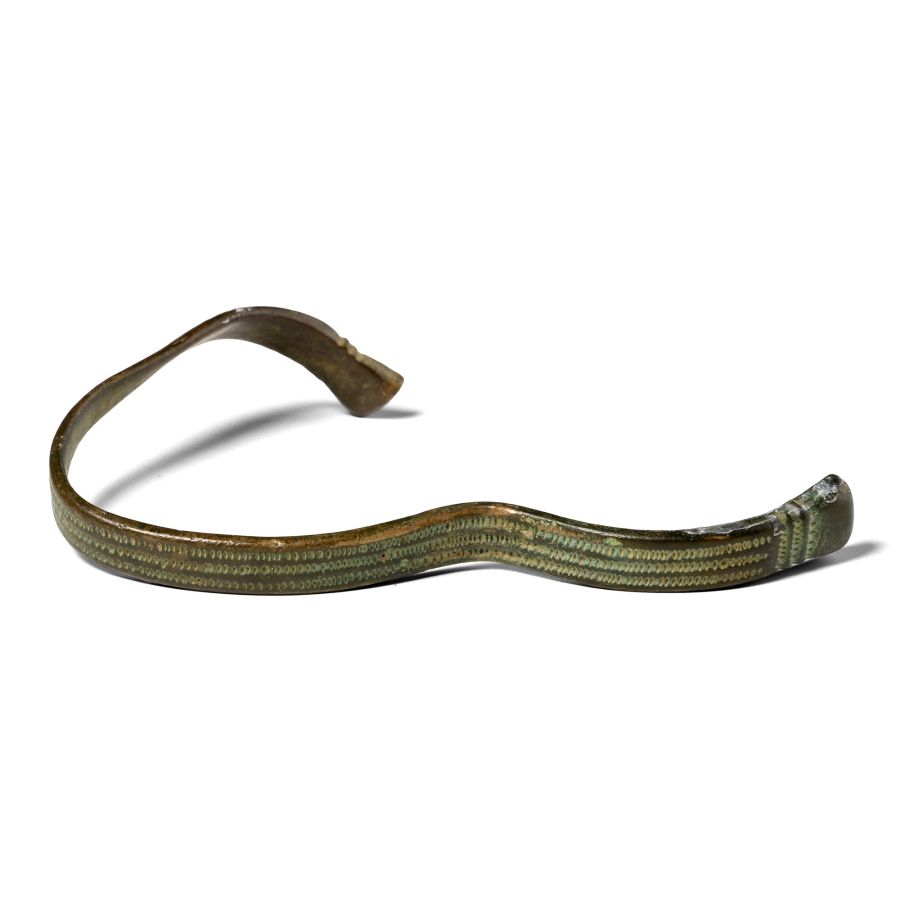
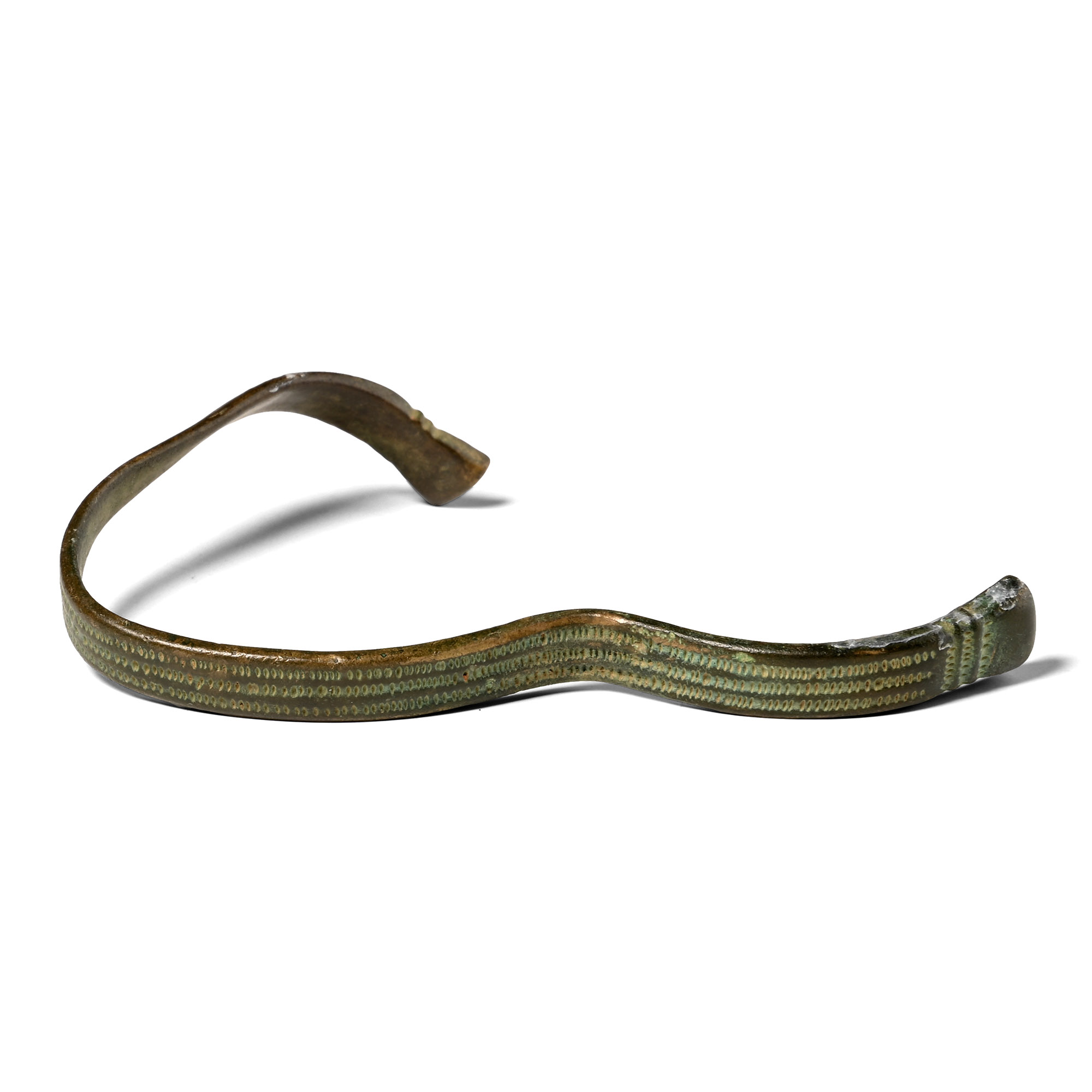
Romano-British Bronze Decorated Bracelet
ENGLAND, 1ST CENTURY A.D.
3 3/4 in. (26.3 grams, 95 mm).
A complete penannular armlet or wide-cuff bracelet formed from a rectangular-section strip; decoration on the external surface consisting of three contiguous rows of punched grooves extending to the terminals, defined by two transverse ribs and three rows of punched grooves. [No Reserve]
ProvenanceFound Wilden, Bedfordshire, UK.
Recorded with UKDFD no.54127.
TimeLine Auctions follows a vetting process to ensure the authenticity and legality of all items, reinforcing our commitment to integrity and responsible trading. Each antiquity, antique, and coin lot undergoes thorough examination by a vetting committee of at least ten external specialists, professional trade association members, scientists, and archaeologists: Our Vetting Process
AUCTIONS:
TimeLine is a leading auction house specialising in antiquities, ancient art, collectables, natural history, coins, medals, and books. Our auctions offer museums, collectors, historians, and enthusiasts the opportunity to acquire unique and historically significant pieces.
-
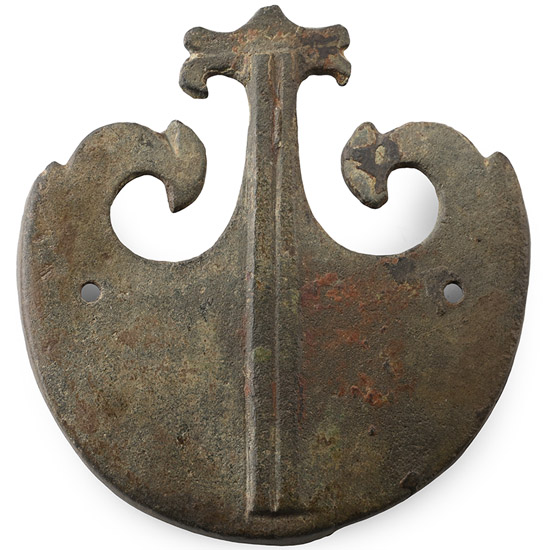
Roman Military Bronze Sword Scabbard
Circa 300 A.D.Sold for (Inc. bp): £195
Tongue-shaped with two scrolls and a T-shaped terminal. 49 grams, 67 mm
From a Wiltshire, UK, collection, 1990s. -
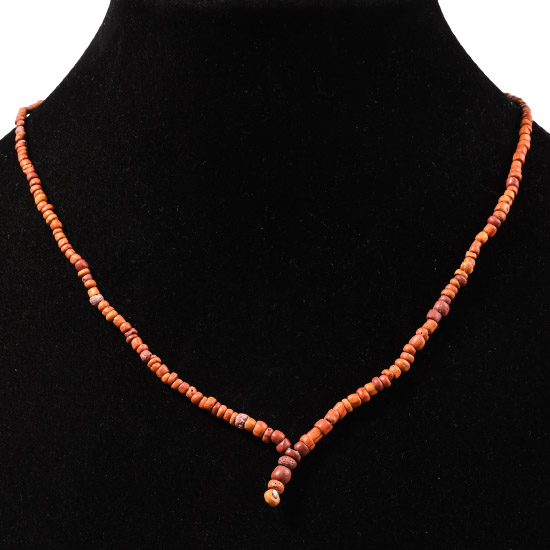
Roman Orange Glass and Other Bead Necklace String
1st-4th century A.D. and laterSold for (Inc. bp): £26
Composed of oblate and annular beads, restrung. 6.7 grams, 39.7 cm
Ex Ancient Art Shop, Windsor, UK, 1990s. Ex private West County, UK, collection. -
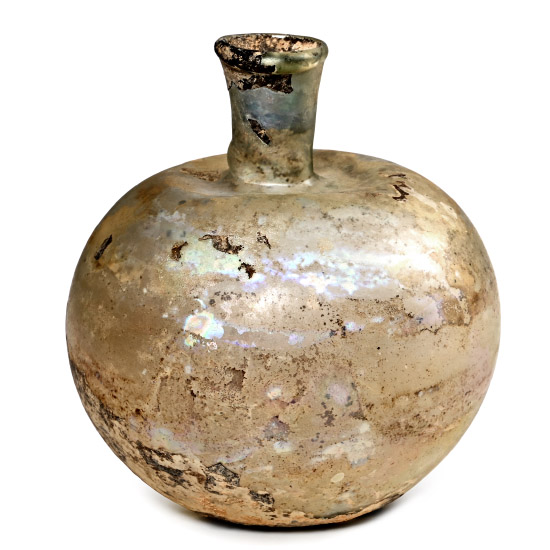
Roman Iridescent Glass Flask
1st century A.D.Sold for (Inc. bp): £208
Bulbous body with dimple base, short tubular neck with rolled rim. 40.8 grams, 90 mm
Acquired in the 1990s from London dealerships and auction houses. From the Lonson collection.
