
Loading, please wait...
LOT 0656
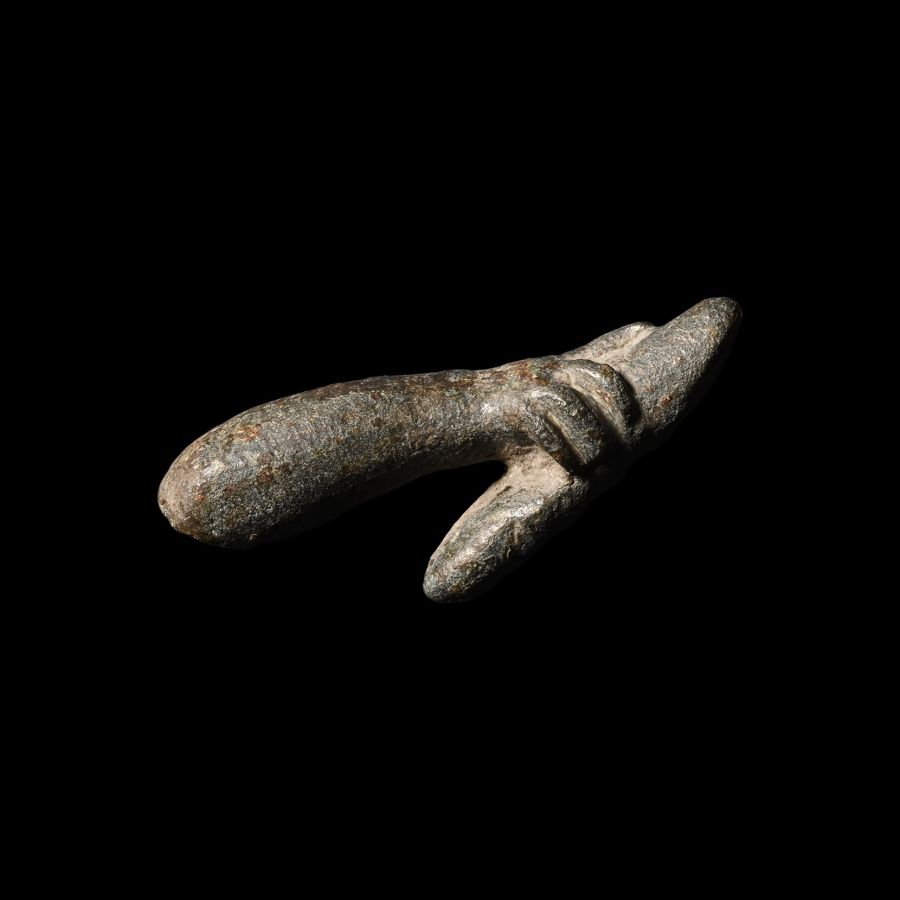
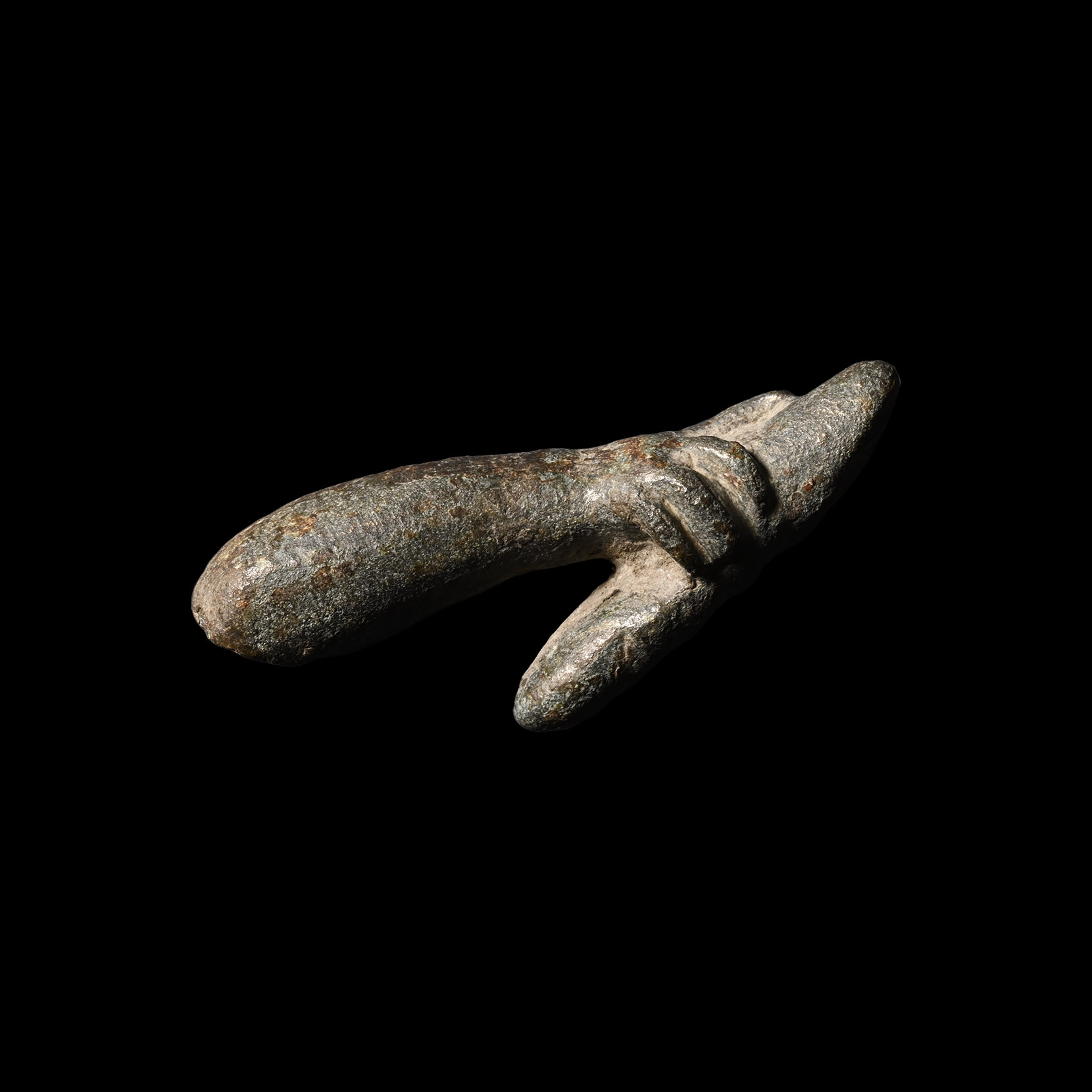
Roman Zeus Statuette Hand Holding Thunderbolt
3RD-4TH CENTURY A.D.
1 3/8 in. (10 grams, 34 mm).
A bronze right forearm and hand gripping a thunderbolt, from a larger statuette, likely of the god Zeus. [No Reserve]
ProvenanceAcquired in the late 1990s-2000.
Property of an East London gentleman.
TimeLine Auctions follows a vetting process to ensure the authenticity and legality of all items, reinforcing our commitment to integrity and responsible trading. Each antiquity, antique, and coin lot undergoes thorough examination by a vetting committee of at least ten external specialists, professional trade association members, scientists, and archaeologists: Our Vetting Process
AUCTIONS:
TimeLine is a leading auction house specialising in antiquities, ancient art, collectables, natural history, coins, medals, and books. Our auctions offer museums, collectors, historians, and enthusiasts the opportunity to acquire unique and historically significant pieces.
-
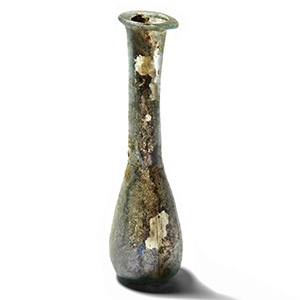
Roman Translucent Unguentarium
1st-3rd century A.D.Sold for (Inc. bp): £72
A clear glass unguentarium with a pear-shaped body, tubular neck and rolled rim; iridescent surfaces. 35 grams, 13.5 cm high
French collection, 1960s-early 2000s. From an important Paris gallery, France. -
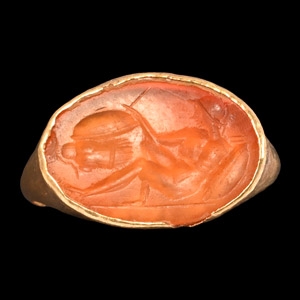
Roman Gold Ring with Warrior Gemstone
1st century B.C.Estimate: £1,000 - 1,400 (+bp*)
Opening Bid: £500
A hollow-formed gold finger ring with inset carnelian intaglio scene with reclining warrior surrounded by his arms and armour. 1.16 grams, 17.75 mm overall, 14.32 mm internal diameter (approximate size British F, USA 2 3/4, Europe 3.67, Japan 3)
with Bertolami Fine Art, 22 April 2022, lot 148. English private collection. -
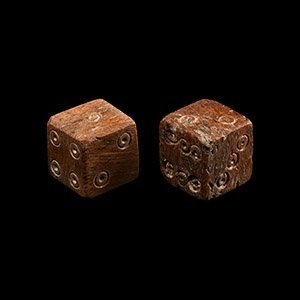
Roman Bone Dice Pair
1st-4th century A.D.Sold for (Inc. bp): £143
A pair of bone dice with ring-and-dot numerals configured: 1:6; 2:5; 3:4. 6.19 grams total, 11-12 mm
Acquired on the London art market before 2000. Property of an Essex gentleman.
