
Loading, please wait...
LOT 0651
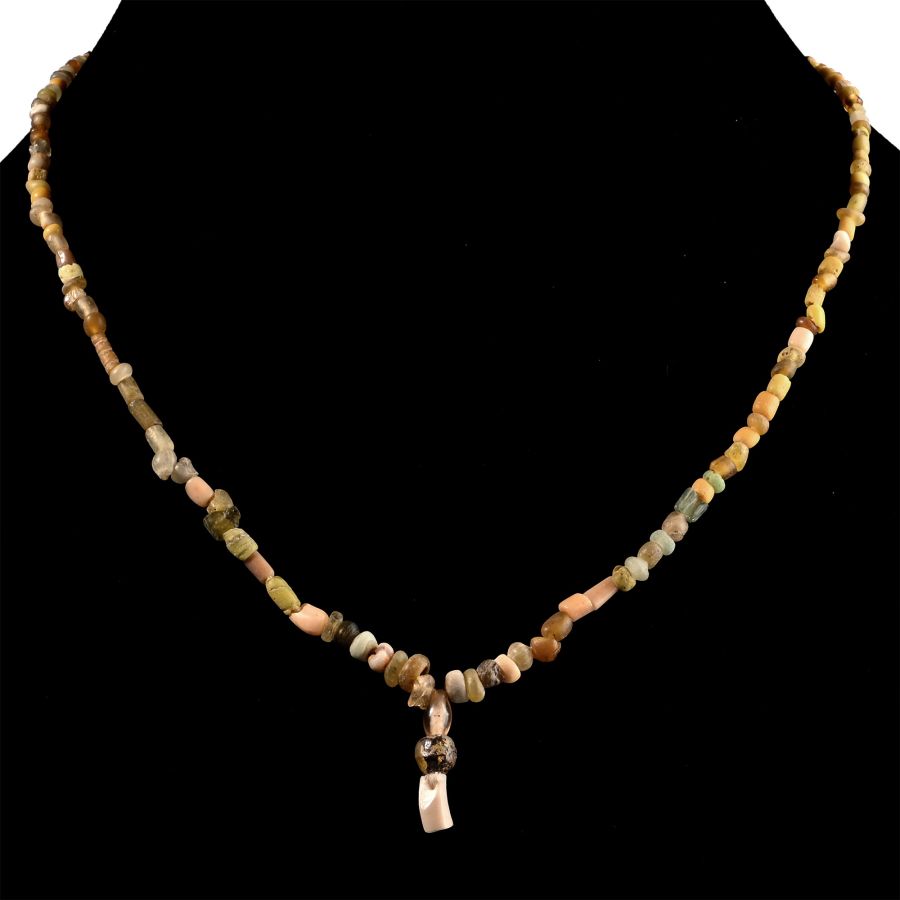
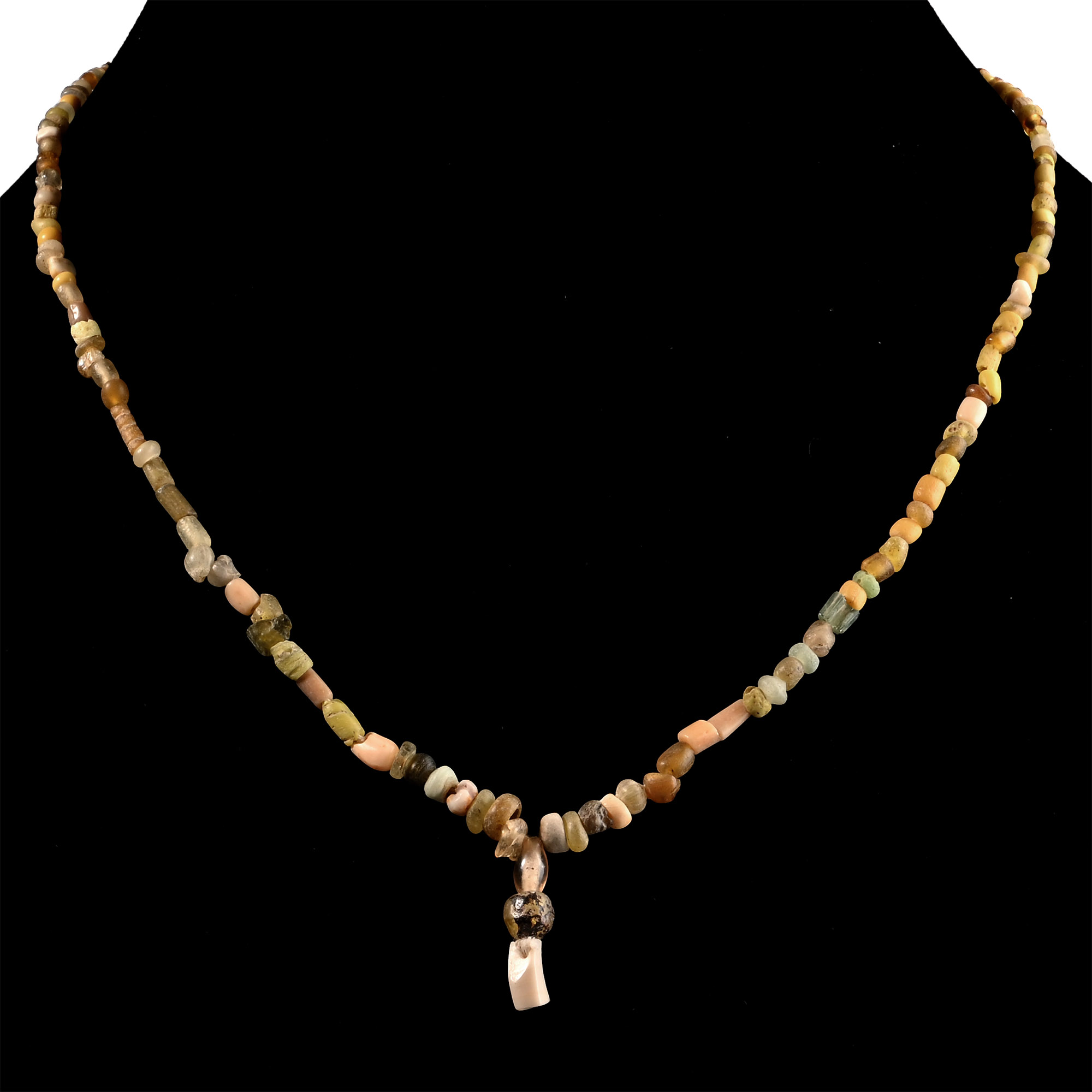
Roman Yellow Glass and Other Bead Necklace String
1ST-4TH CENTURY A.D. AND LATER
15 in. (8.1 grams, 38 cm).
Composed of mainly annular and oblate beads with a central drop, restrung. [No Reserve]
ProvenanceAcquired in the 1990s.
Ex London, UK, collection.
TimeLine Auctions follows a vetting process to ensure the authenticity and legality of all items, reinforcing our commitment to integrity and responsible trading. Each antiquity, antique, and coin lot undergoes thorough examination by a vetting committee of at least ten external specialists, professional trade association members, scientists, and archaeologists: Our Vetting Process
AUCTIONS:
TimeLine is a leading auction house specialising in antiquities, ancient art, collectables, natural history, coins, medals, and books. Our auctions offer museums, collectors, historians, and enthusiasts the opportunity to acquire unique and historically significant pieces.
-
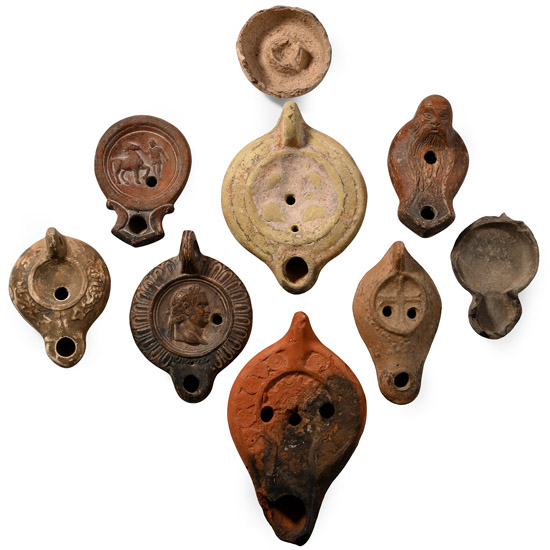
Roman and Later Terracotta Oil Lamp Collection
Circa 1st-19th century A.D.Sold for (Inc. bp): £468
Comprising nine lamps, including one with a wreathed profile bust, one with a man and a horse, one with the handle formed as a bearded head, one with a cross, and others. 823 grams total, 6.2-13.9 cm
From an important collection of lamps, Germany, 1970s. -
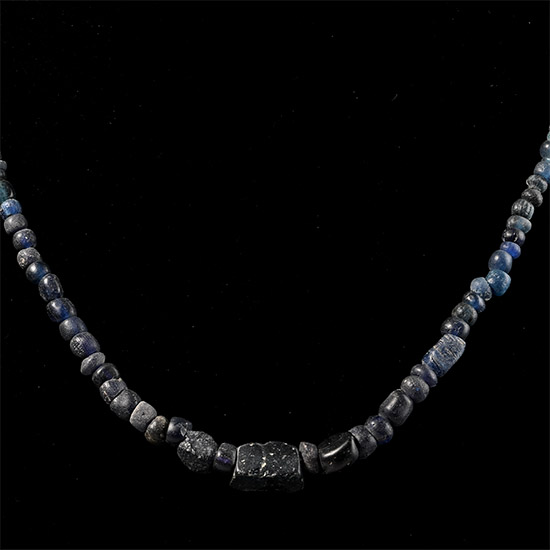
Roman Blue Glass and Other Bead Necklace String
1st-4th century A.D. and laterSold for (Inc. bp): £72
Composed of graduated oblate bead with a large rectangular bead at the centre, restrung. 19.6 grams, 46.3 cm
Acquired in the 1990s. Ex London, UK, collection. -
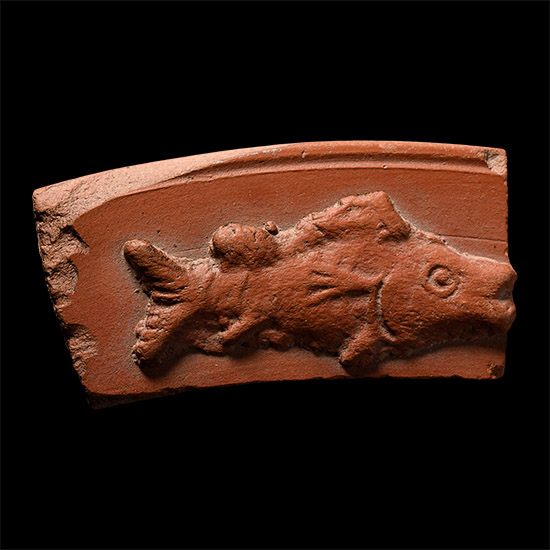
Roman Redware Sherd with Ornate Fish
Circa 4th century A.D.Sold for (Inc. bp): £91
Rectangular fragment from the lip of a large plate depicting an exotic fish with a sail-like dorsal fin and open jaws. 1.34 grams, 48 mm
Ex P. Chapman collection, 1980s-1990s.
