
Loading, please wait...
LOT 0983
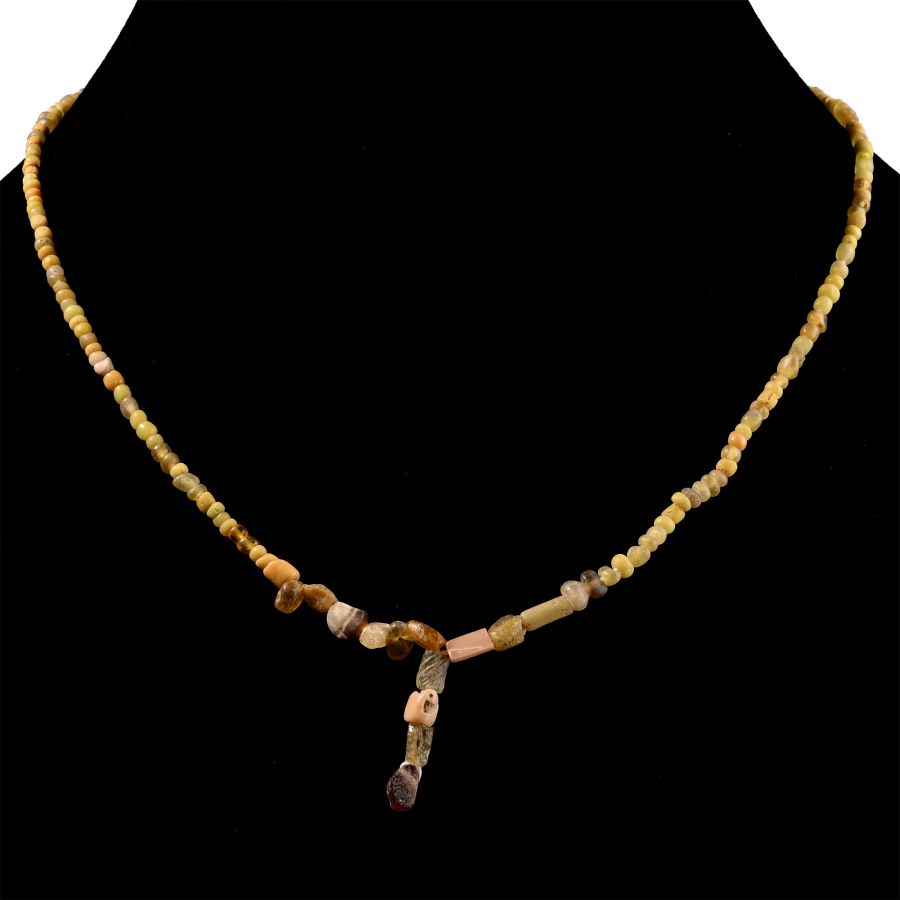
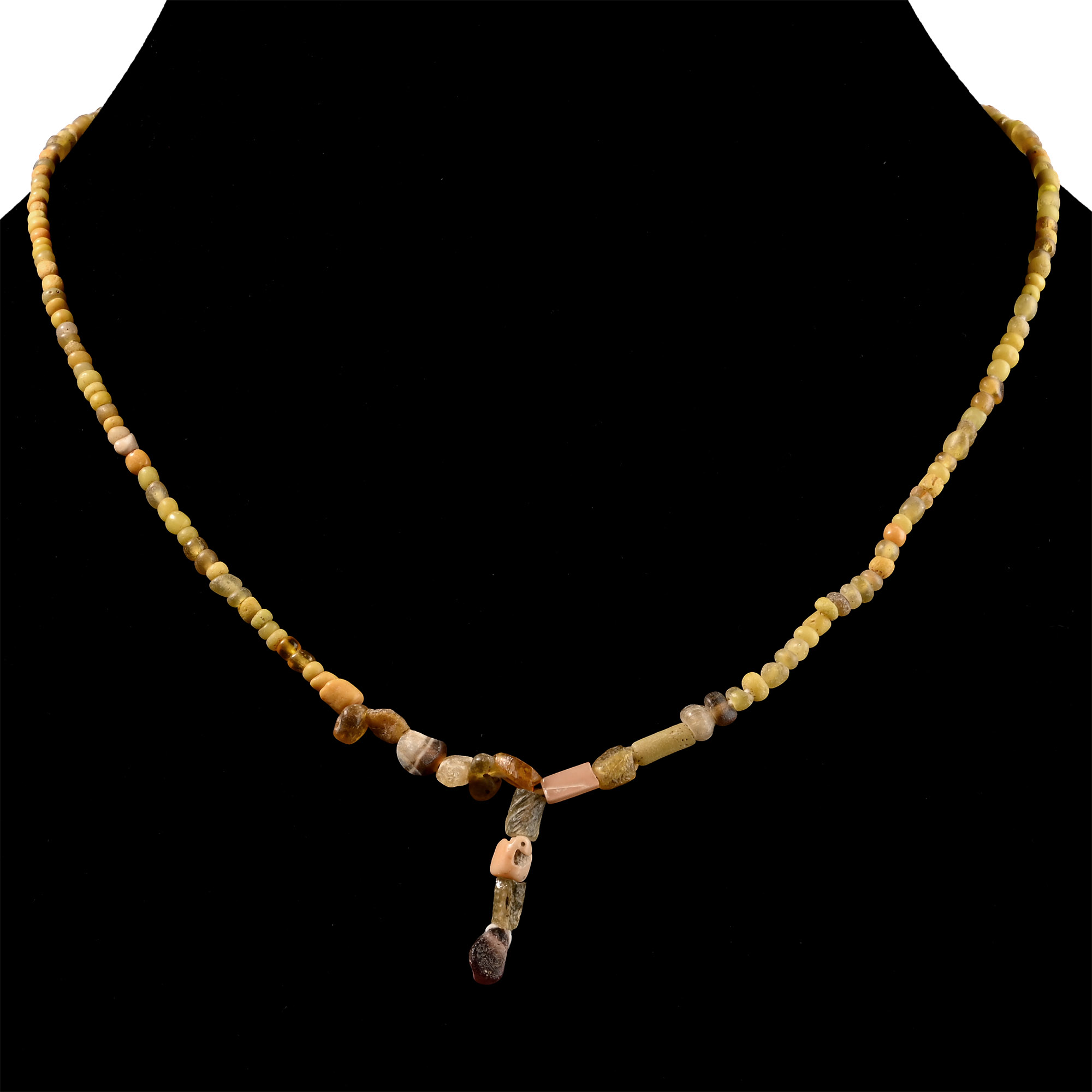
Roman Yellow Glass and Other Bead Necklace String
1ST-4TH CENTURY A.D. AND LATER
14 1/2 in. (6.8 grams, 36.5 cm).
Composed mainly of annular and oblate beads with a central drop, restrung. [No Reserve]
ProvenanceAcquired in the 1990s.
Ex London, UK, collection.
TimeLine Auctions follows a vetting process to ensure the authenticity and legality of all items, reinforcing our commitment to integrity and responsible trading. Each antiquity, antique, and coin lot undergoes thorough examination by a vetting committee of at least ten external specialists, professional trade association members, scientists, and archaeologists: Our Vetting Process
AUCTIONS:
TimeLine is a leading auction house specialising in antiquities, ancient art, collectables, natural history, coins, medals, and books. Our auctions offer museums, collectors, historians, and enthusiasts the opportunity to acquire unique and historically significant pieces.
-
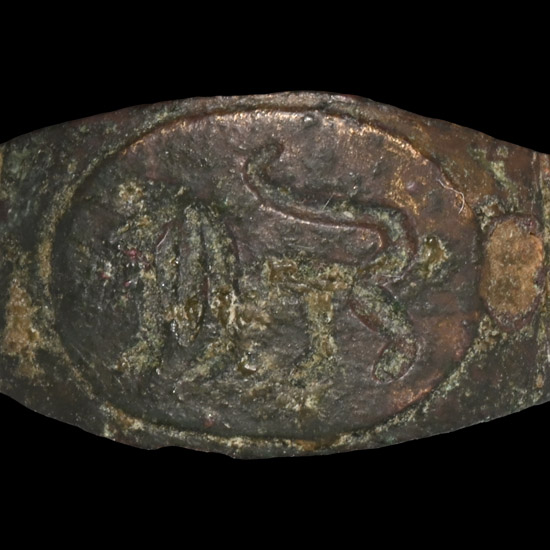
Roman Bronze Ring with Walking Lion
3rd-4th century A.D.Sold for (Inc. bp): £100
Featuring a slender hoop and fluted shoulders, an oval bezel with an advancing lion with its tail raised. 1.37 grams, 19.70 mm overall, 18.12 mm internal diameter (approximate size British M 1/2, USA 6 1/4, Europe 13.09, Japan 12)
From the private collection of a European gentleman (1942-2024), formed since the 1970s. -
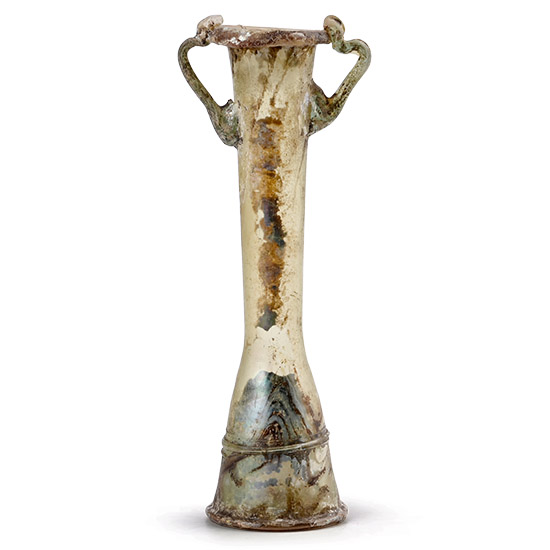
Roman Green Glass Twin-Handled Kohl Bottle
Circa 4th-5th century A.D.Sold for (Inc. bp): £325
Conical body with applied trail, tall tubular neck with rolled rim and two applied handles. 25 grams, 12.2 cm
Acquired from Shirley Warren Antique Glass, Surrey, UK, in 1992 with reference no.K30. From the collection of a Bedfordshire, UK, lady. Accompanied by a copy of the Shirley Warren invoice no.2272 dated 21 November 1992 (£330.00). -
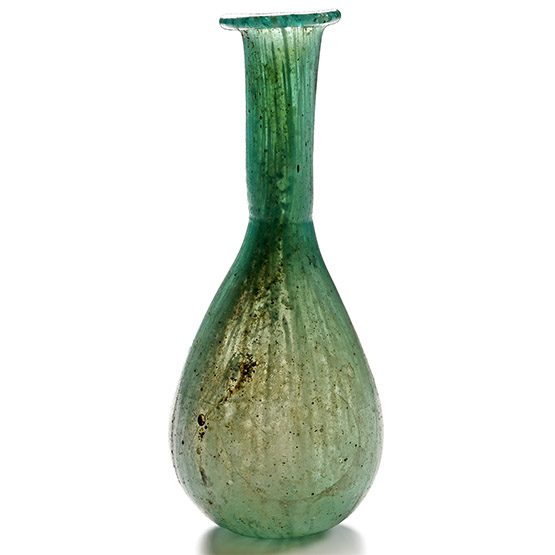
Roman Marbled Turquoise Glass Bottle
1st-3rd century A.D.Sold for (Inc. bp): £780
Comprising an iridescent piriform body, tapering tubular neck with pinched and everted rolled rim. 9.44 grams, 84 mm
Acquired on the European art market in 2001.
Indented toilet bottles with long necks are rather common. In Western provinces of the Roman Empire, they occur most frequently in and around the Rhineland. In the Eastern part of the Empire, find places include Crete, Cyprus, Anatolia, Syria and Egypt.
