
Loading, please wait...
LOT 0876
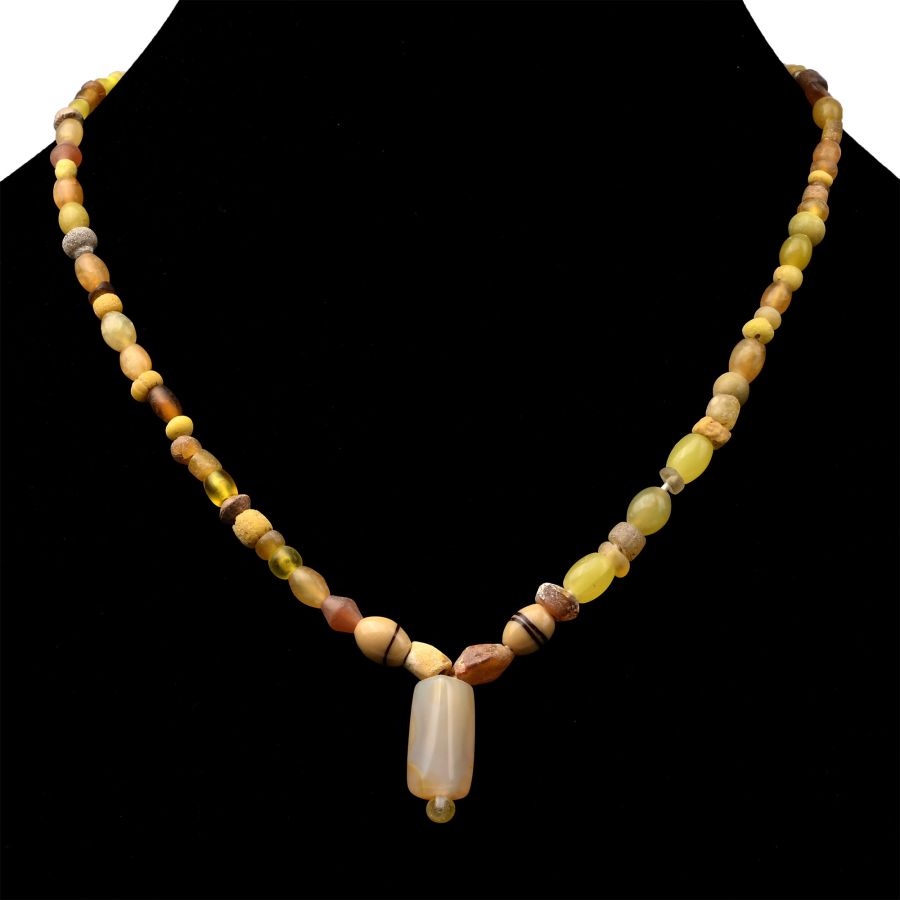
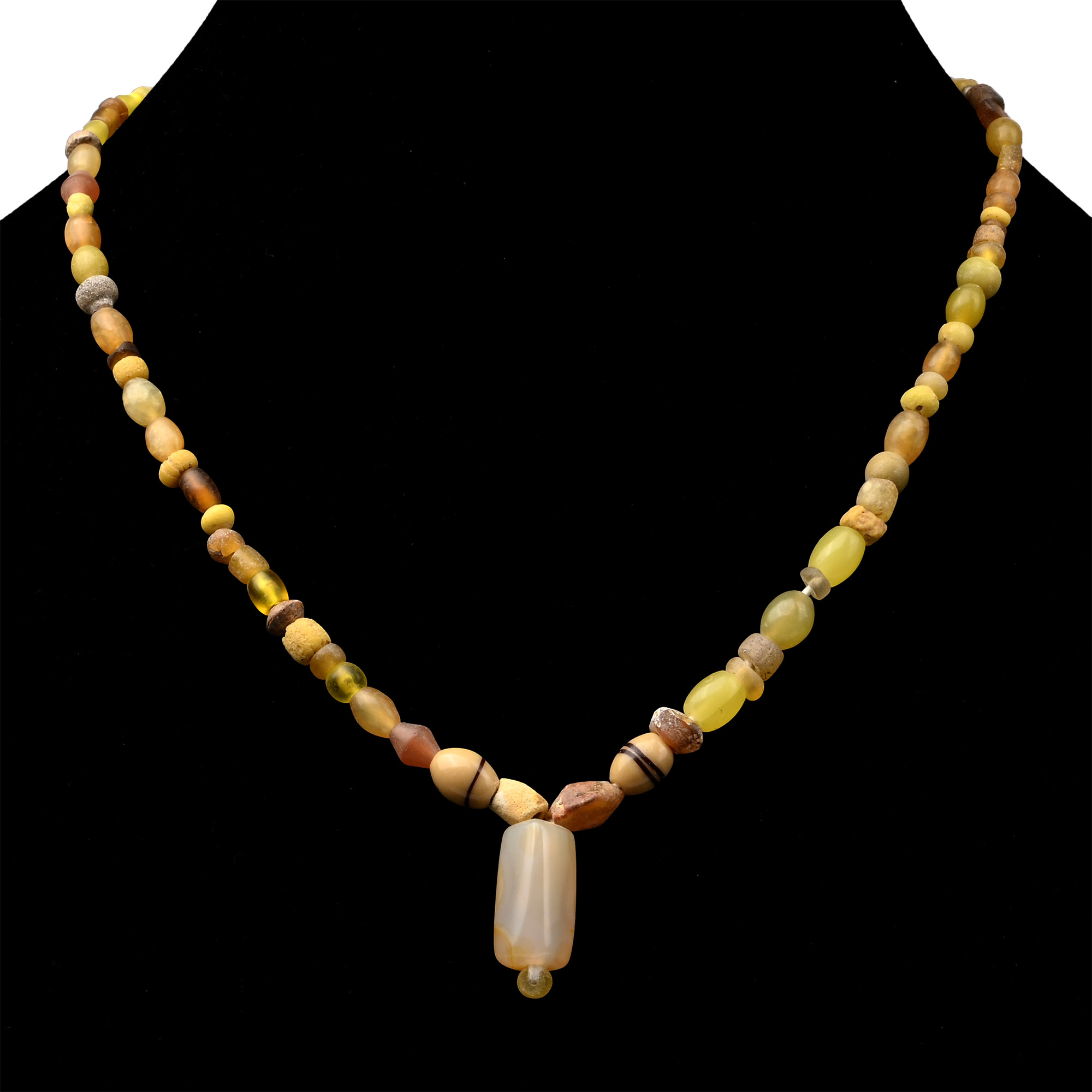
Roman Yellow Glass and Other Bead Necklace String
1ST-4TH CENTURY A.D. AND LATER
16 3/8 in. (21.3 grams, 41.5 cm).
Composed of graduated beads, the central feature a large rectangular agate bead, restrung with some modern beads. [No Reserve]
ProvenanceEx London, UK, collection, 1990s.
CONDITIONTimeLine Auctions follows a vetting process to ensure the authenticity and legality of all items, reinforcing our commitment to integrity and responsible trading. Each antiquity, antique, and coin lot undergoes thorough examination by a vetting committee of at least ten external specialists, professional trade association members, scientists, and archaeologists: Our Vetting Process
AUCTIONS:
TimeLine is a leading auction house specialising in antiquities, ancient art, collectables, natural history, coins, medals, and books. Our auctions offer museums, collectors, historians, and enthusiasts the opportunity to acquire unique and historically significant pieces.
-
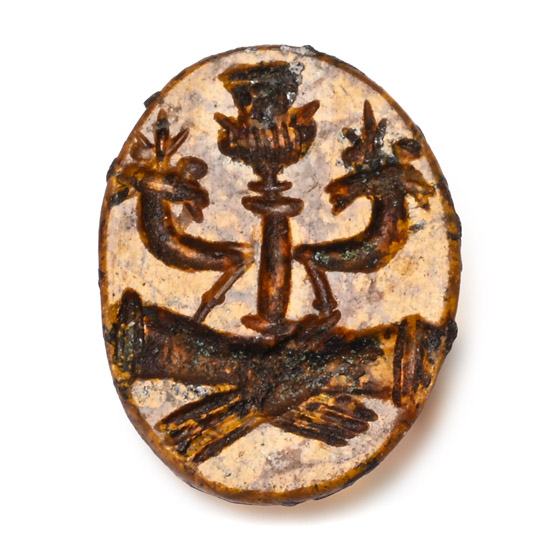
Roman Orange Jasper Gemstone with Clasped Hands
2nd-3rd century A.D.Sold for (Inc. bp): £208
With intaglio motif of two hands clasped beneath a vase on a pillar flanked by cornucopiae; supplied with a museum-quality impression. 0.65 grams, 13.22 mm
From the private collection of a European gentleman (1942-2024), formed since the 1970s. -
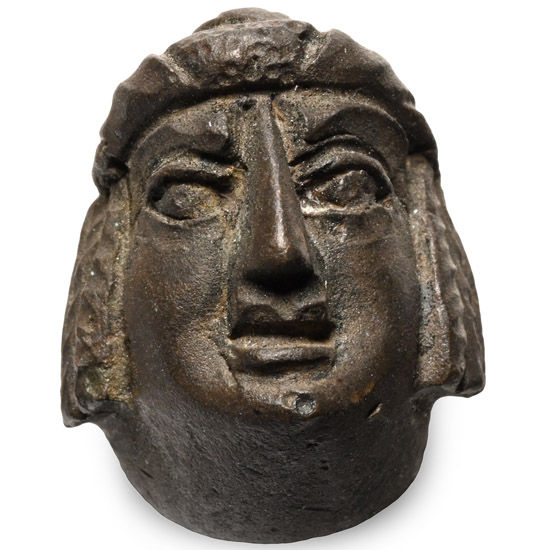
Roman Actor's Mask Head
1st century B.C.-2nd century A.D.Sold for (Inc. bp): £65
Modelled in the round with emphasised facial detailing and wearing a plaited wig. 21.6 grams, 20 mm
From the private collection of a European gentleman (1942-2024), formed since the 1970s. -
.jpg)
Roman Carnelian Gemstone with Minerva
2nd-3rd century A.D.Sold for (Inc. bp): £98
With intaglio Minerva standing with spear over her shoulder; supplied with a museum-quality impression. 0.61 grams, 12.29 mm
From the private collection of a European gentleman (1942-2024), formed since the 1970s.
