
Loading, please wait...
LOT 0202
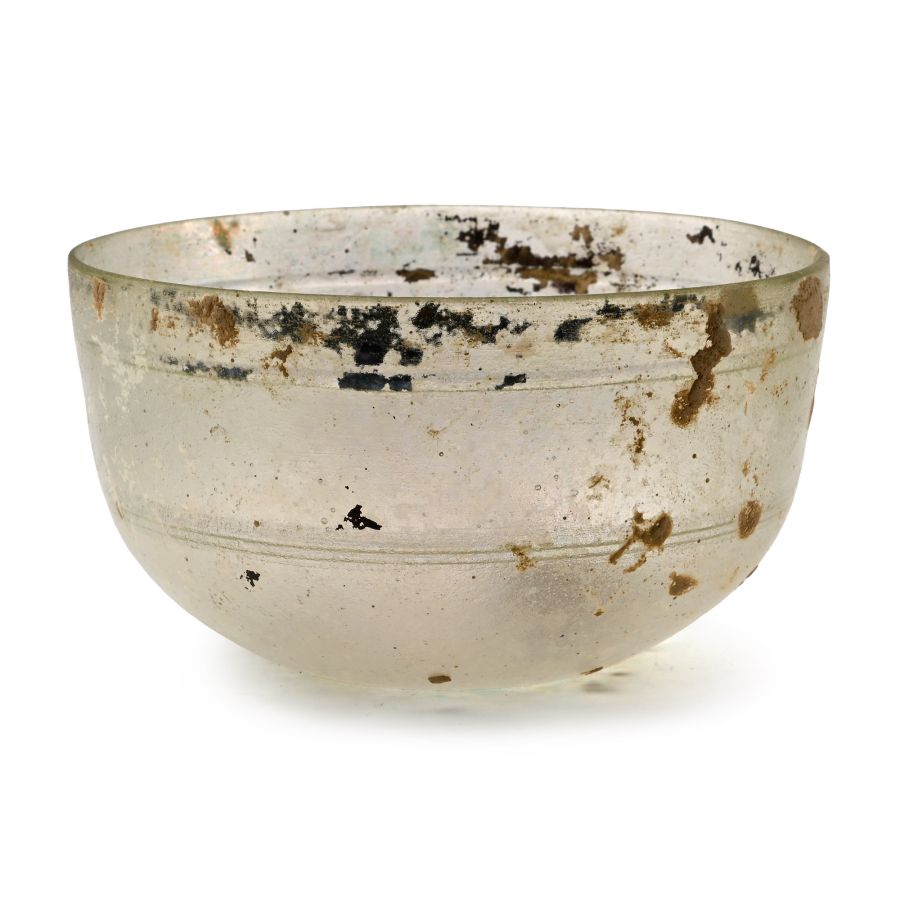
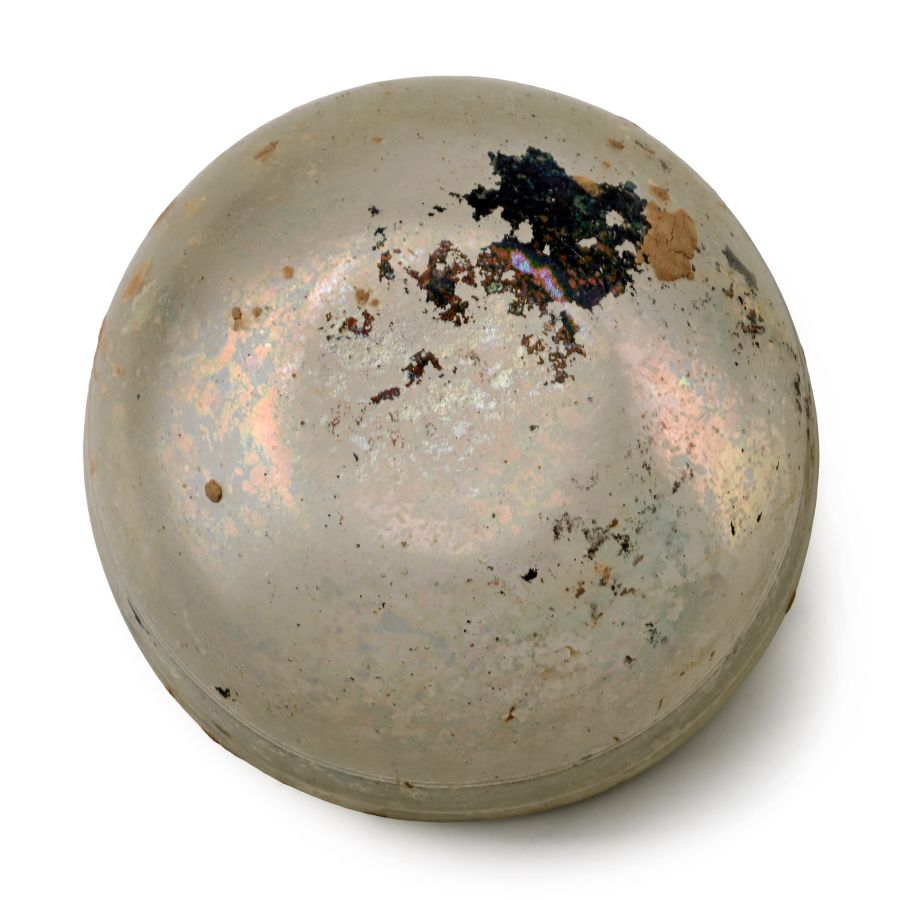
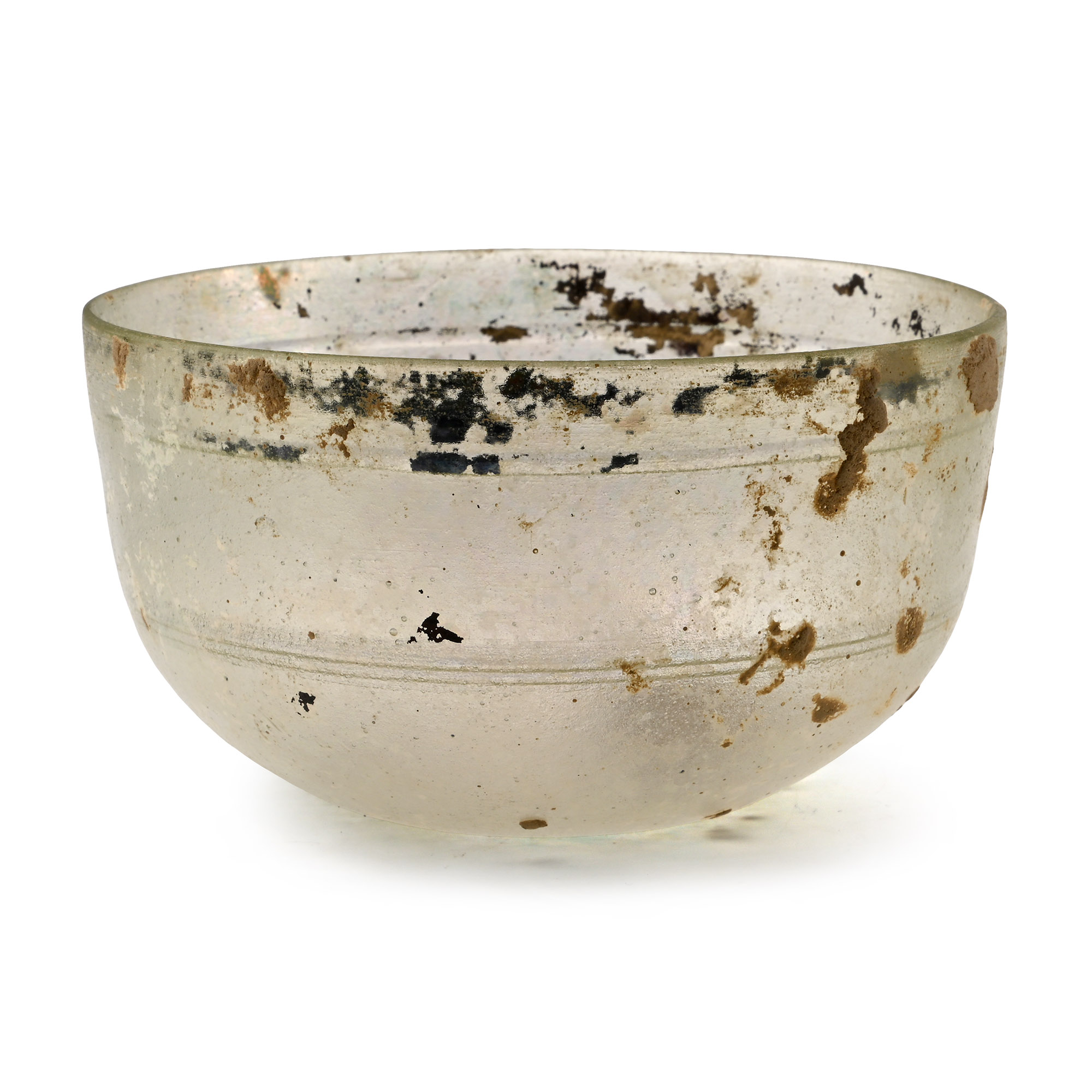
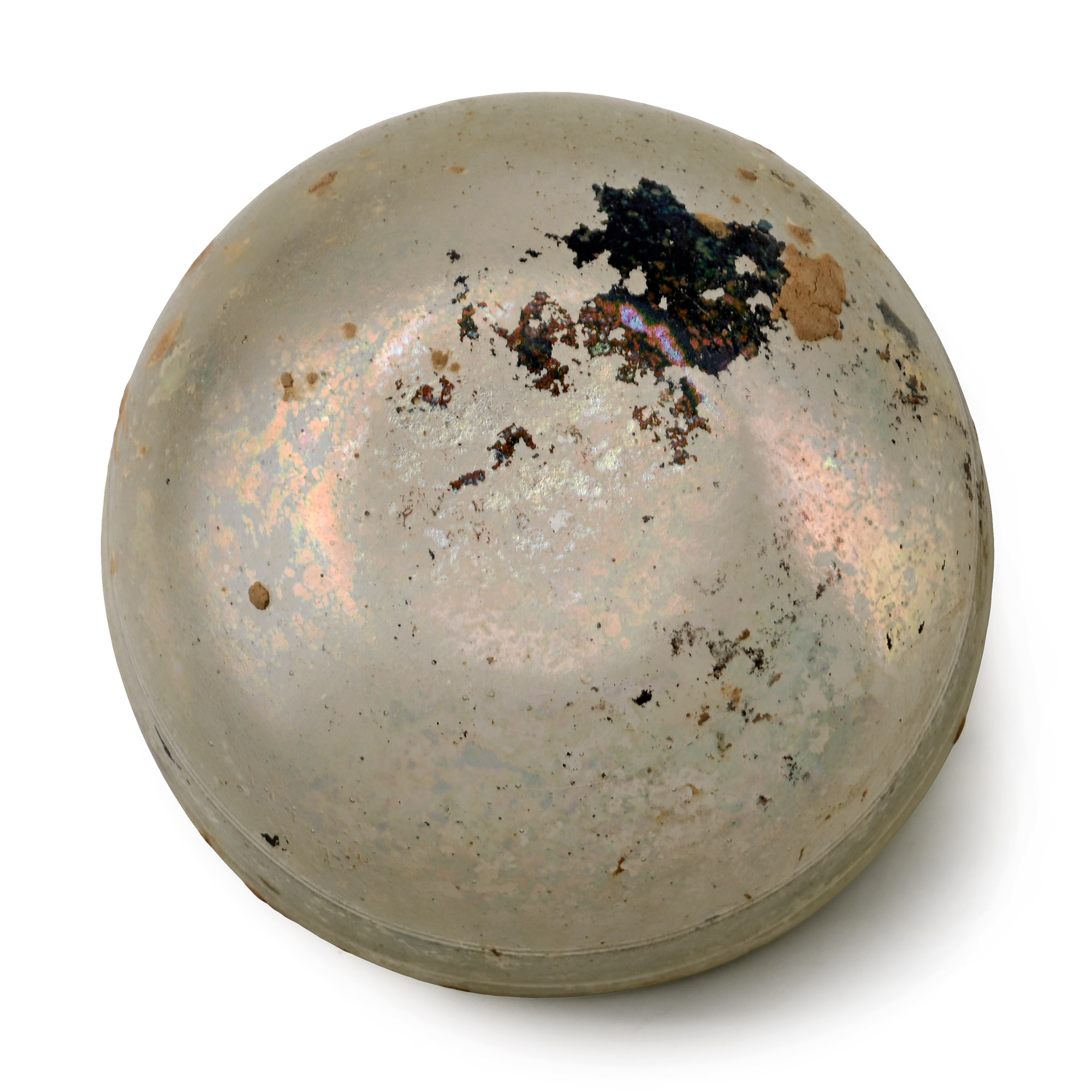
Roman Wheel-Cut Clear Glass Bowl
1ST-2ND CENTURY A.D.
4 1/2 in. (87 grams, 11.4 cm).
Hemispherical in profile with a broad base, bands of wheel-cut horizontal lines to the inner face.
ProvenancePrivate collection, USA and Switzerland, acquired in the late 1980s-early 1990s; thence by descent.
LiteratureCf. Marin, E., Vickers, M., The Rise and the Fall of an Imperial Shrine, Split, 2004, p.194-195, and catalogue 33, for a similar bowl.
FootnotesSuch bowls are related to the form of Terra Sigillata according to several scholars. The period of their widest use is between 70 and 130 A.D. It was widely used throughout the western parts of the Empire, and especially in Italy. Similar bowls could also be found in the Eastern Mediterranean and were probably produced in Italic workshops, since there are numerous finds in Ticino.
CONDITIONTimeLine Auctions follows a vetting process to ensure the authenticity and legality of all items, reinforcing our commitment to integrity and responsible trading. Each antiquity, antique, and coin lot undergoes thorough examination by a vetting committee of at least ten external specialists, professional trade association members, scientists, and archaeologists: Our Vetting Process
AUCTIONS:
TimeLine is a leading auction house specialising in antiquities, ancient art, collectables, natural history, coins, medals, and books. Our auctions offer museums, collectors, historians, and enthusiasts the opportunity to acquire unique and historically significant pieces.
-
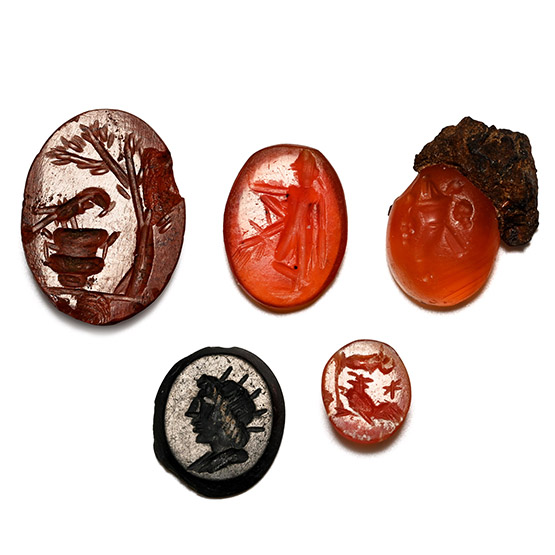
Roman Gemstone Collection
1st-2nd century A.D.Estimate: £350 - 450 (+bp*)
Opening Bid: £189
Mixed group including a standing female, a perching bird and others; each supplied with a museum-quality impression. 2.66 grams total, 7-16 mm
From the collection of a gentleman, acquired on the London art market in the 1990s.
Two of the gemstones in this collection show cockerels. The motif of fighting or individual cockerels was very popular in the classical world, and individual cockerels (the animal often associated with gods, such as Mercury or Sol/Helios) were also often depicted in a standing position. Another gemstone appears to represent a nude figure of Dionysus/Bacchus draped in a long cloak, and another shows Helios with a radiate crown. -
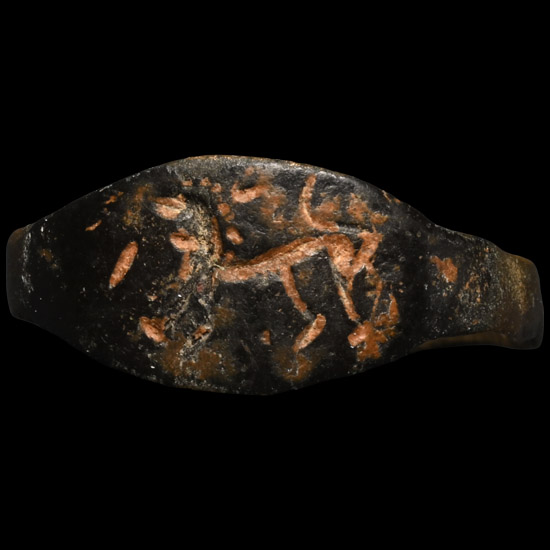
Roman Bronze Ring with Lion
3rd-4th century A.D.Sold for (Inc. bp): £39
Featuring a flat-section hoop and an oval bezel with a standing lion. 1.13 grams, 17.18 mm overall, 16.46 mm internal diameter (approximate size British J 1/2, USA 5, Europe 9.32, Japan 9)
From the private collection of a European gentleman (1942-2024), formed since the 1970s. -
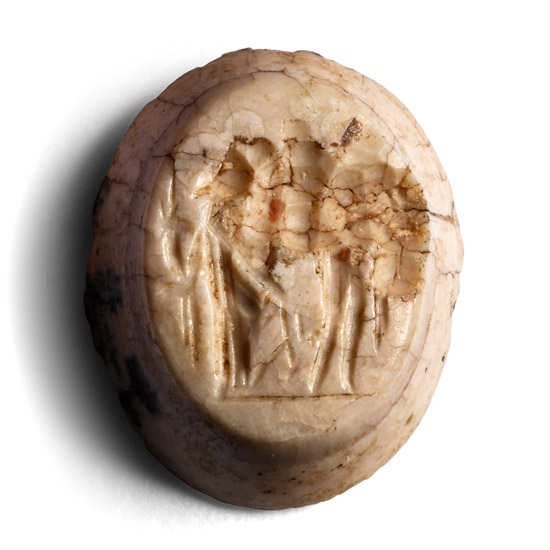
Roman Agate Gemstone with Standing Figures
2nd-3rd century A.D.Sold for (Inc. bp): £78
Frieze of two standing figures, one with an arm raised; chipped; supplied with a museum-quality impression. 1.46 grams, 15.44 mm
From the private collection of a European gentleman (1942-2024), formed since the 1970s.
