
Loading, please wait...
LOT 0916
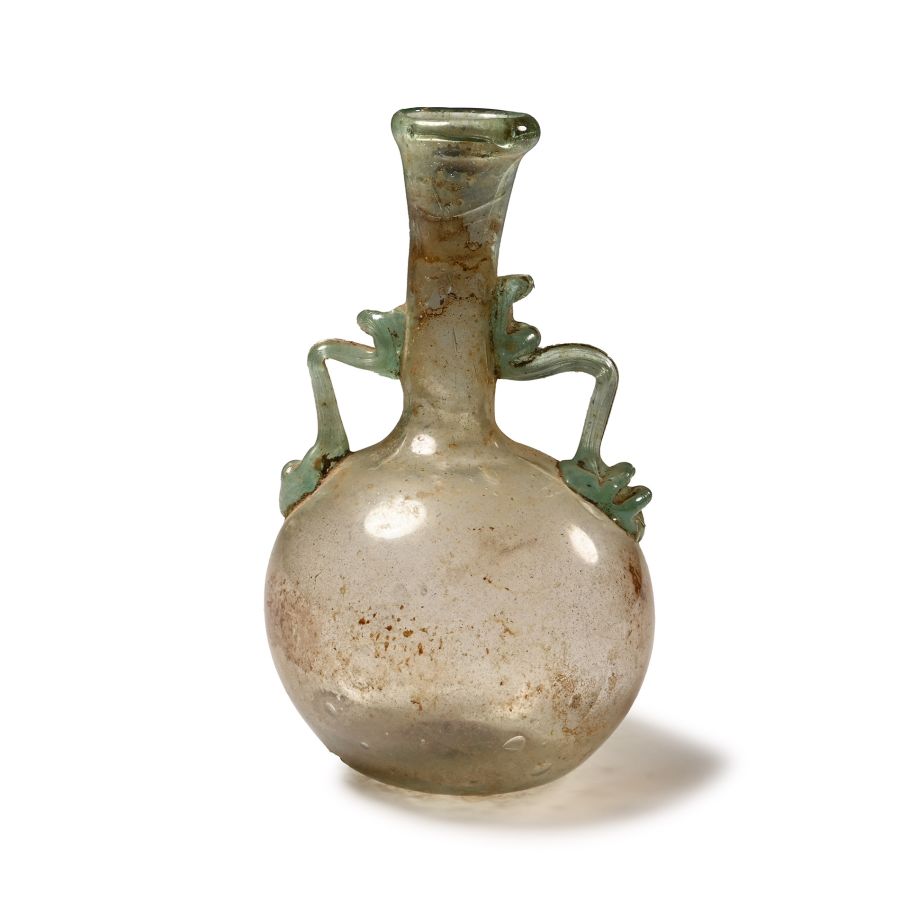
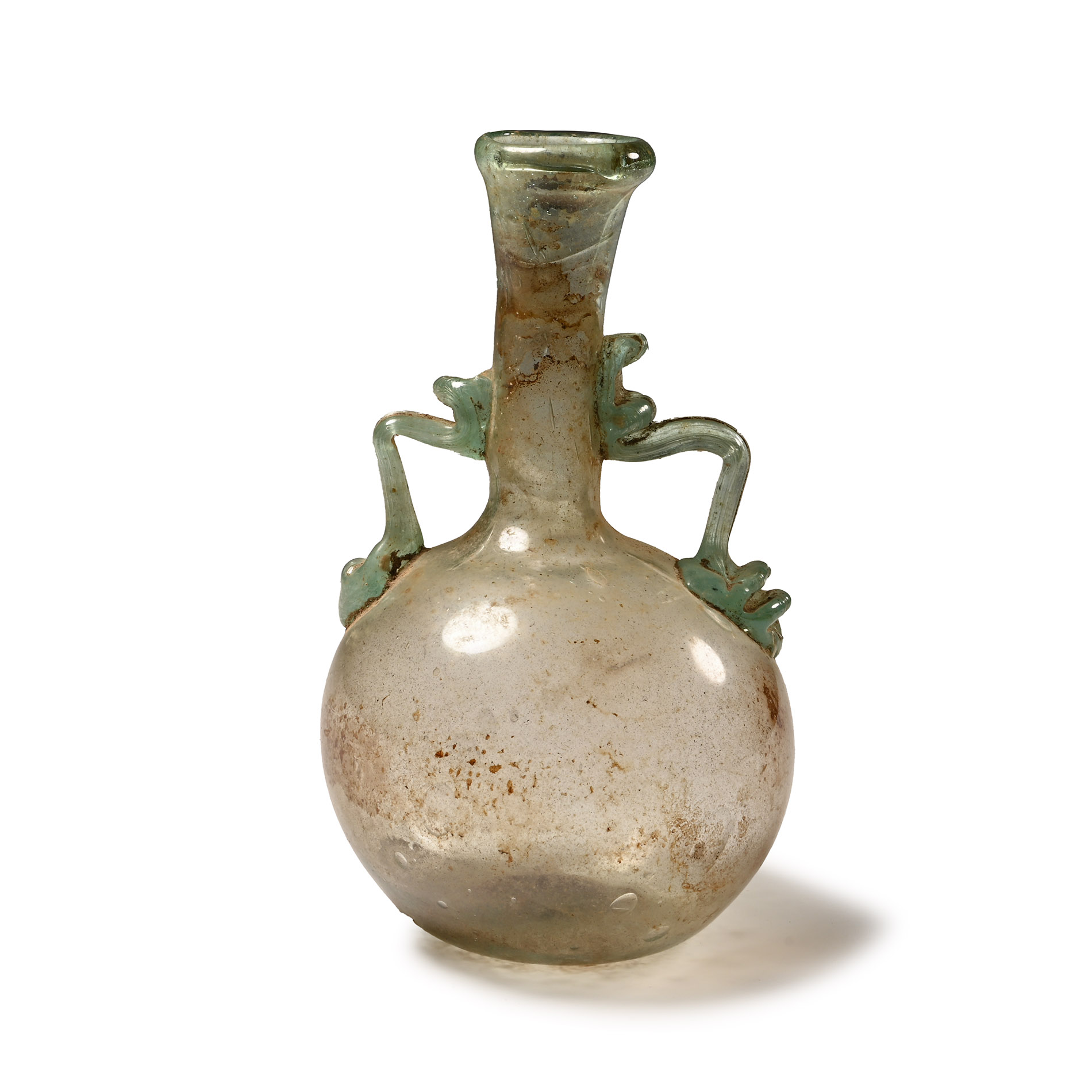
Roman Two-Handled Glass Flask
3RD-4TH CENTURY A.D.
4 1/8 in. (31.2 grams, 10.5 cm).
With dimple base, globular body and tapering neck with applied collar to the rim, two lateral applied trail handles to the shoulders.
ProvenanceFrom a London, UK, collection, 1990s.
LiteratureCf. Lightfoot, C.S., Ancient Glass in National Museums Scotland, Edinburgh, 2007, items 224, 302, for type.
CONDITIONTimeLine Auctions follows a vetting process to ensure the authenticity and legality of all items, reinforcing our commitment to integrity and responsible trading. Each antiquity, antique, and coin lot undergoes thorough examination by a vetting committee of at least ten external specialists, professional trade association members, scientists, and archaeologists: Our Vetting Process
AUCTIONS:
TimeLine is a leading auction house specialising in antiquities, ancient art, collectables, natural history, coins, medals, and books. Our auctions offer museums, collectors, historians, and enthusiasts the opportunity to acquire unique and historically significant pieces.
-
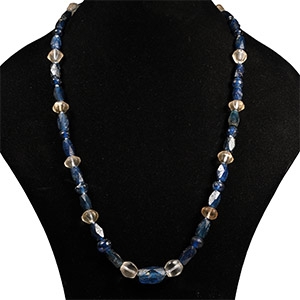
Roman Blue Cut-Glass and Rock Crystal Bead Necklace
Circa 4th century A.D. and laterEstimate: £300 - 400 (+bp*)
Opening Bid: £120
Restrung necklace of graduated blue glass polyhedral and fusiform beads, with possibly later interstitial biconvex and polyhedral rock crystal beads. 89 grams, 74 cm long
with a London, UK gallery, 1971-early 2000s. -
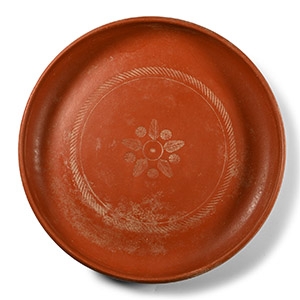
Roman Decorated 'Terra Sigillata' Redware Dish
North Africa, 4th century A.D.Sold for (Inc. bp): £572
Terracotta dish with low sidewall, tondo with ropework border, central motif of five radiating fronds with rosettes between. 466 grams, 22.5 cm diameter
From a UK private collection. Ex London, UK, gallery. with Mallams, Oxford, UK. Property of a Bristol, UK, gentleman. -
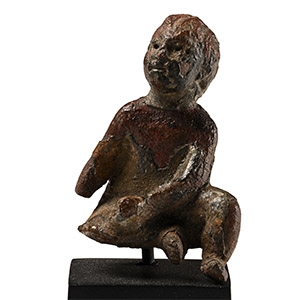
Roman Bronze Seated Child Statuette
1st-2nd century A.D.Sold for (Inc. bp): £98
Modelled in the round seated and with the head turned slightly upwards, left hand modelled open to grip a separate object; mounted on a custom-made stand. 55.5 grams total, 57 mm including stand
From a collection acquired on the UK art market from various auction houses and collections mostly before 2000. From an important Cambridgeshire estate; thence by descent.
