
Loading, please wait...
LOT 0574
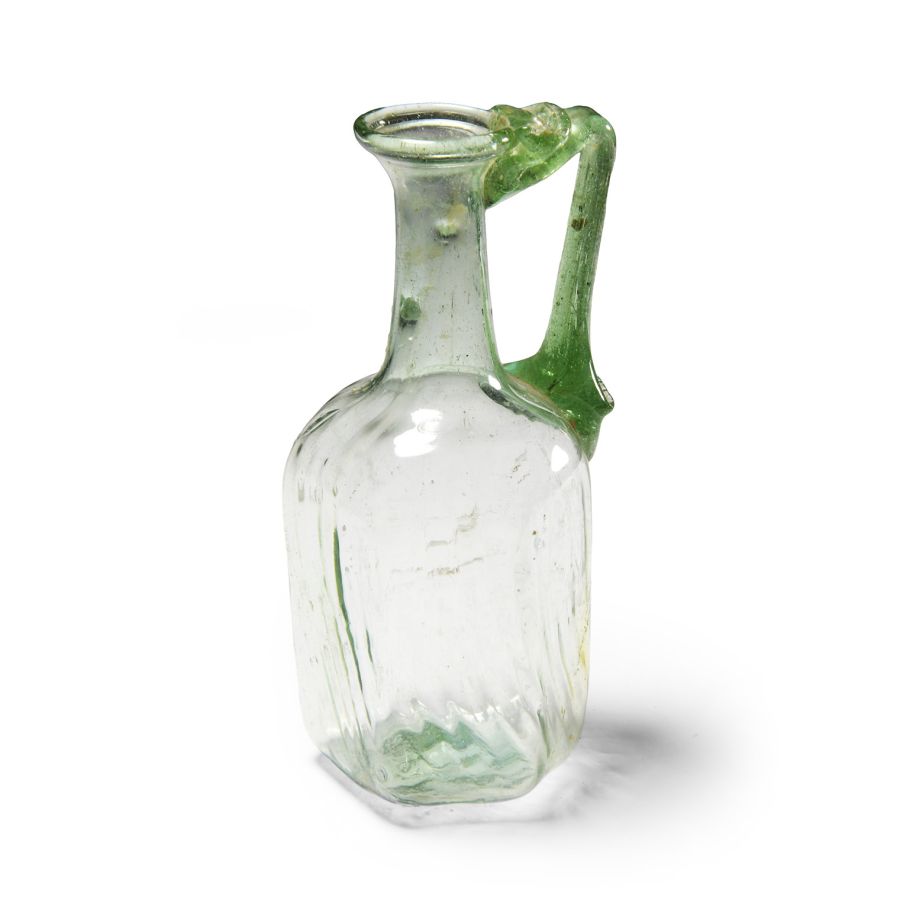
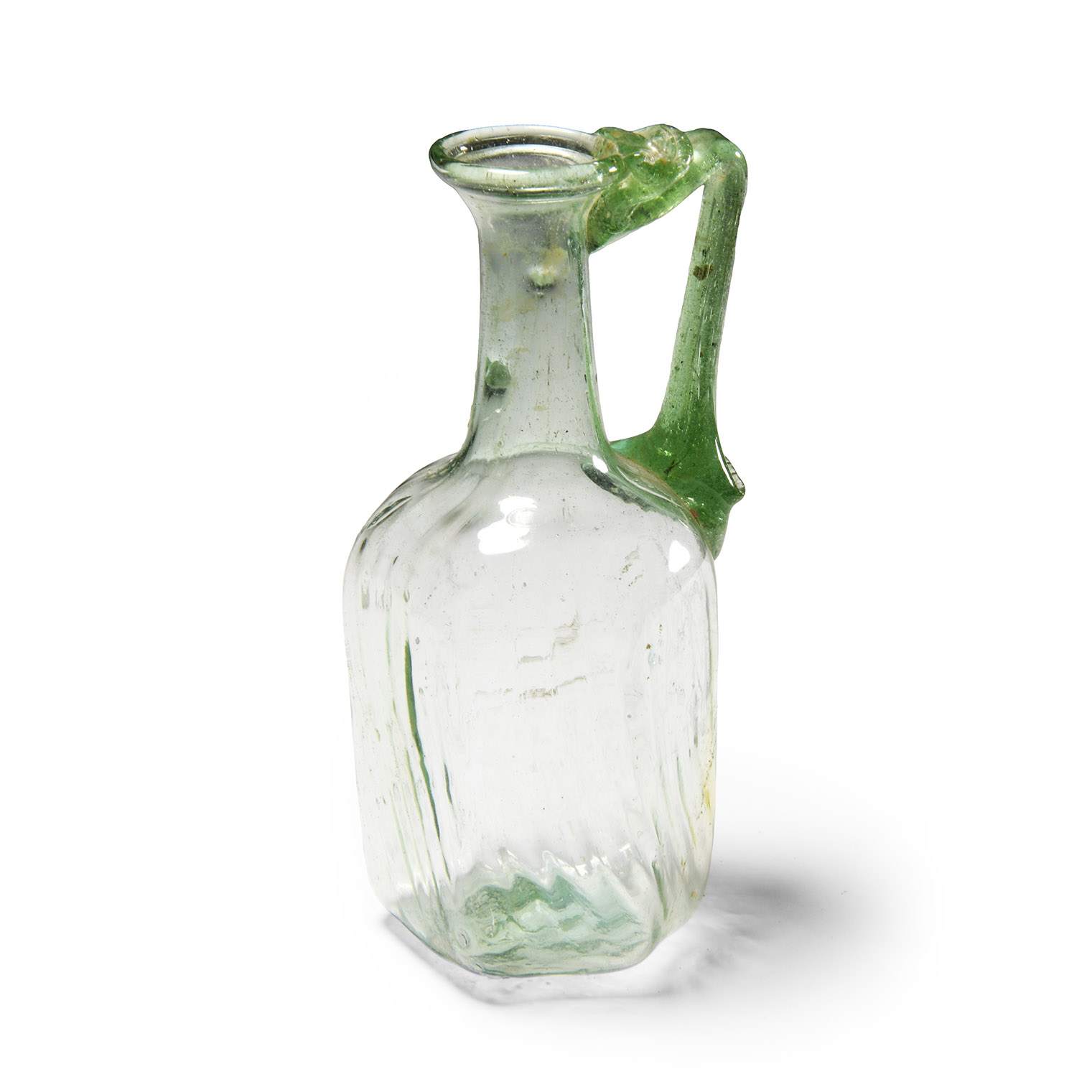
Roman Translucent Green Hexagonal Flask
3RD-4TH CENTURY A.D.
4 3/4 in. (52.3 grams, 12 cm high).
A pale green translucent six-sided flask with trumpet-shaped neck and everted rim, applied strap handle.
ProvenanceAcquired 1980-2015.
Ex Abelita family collection.
TimeLine Auctions follows a vetting process to ensure the authenticity and legality of all items, reinforcing our commitment to integrity and responsible trading. Each antiquity, antique, and coin lot undergoes thorough examination by a vetting committee of at least ten external specialists, professional trade association members, scientists, and archaeologists: Our Vetting Process
AUCTIONS:
TimeLine is a leading auction house specialising in antiquities, ancient art, collectables, natural history, coins, medals, and books. Our auctions offer museums, collectors, historians, and enthusiasts the opportunity to acquire unique and historically significant pieces.
-
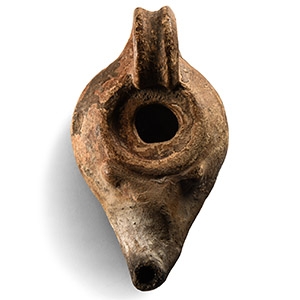
Roman Period Terracotta Oil Lamp
1st-3rd century A.D.Sold for (Inc. bp): £169
Sub-circular in plan with carinated sidewalls, tapering and up-turned nozzle and spout, gusseted loop handle; shallow ring foot. 73 grams, 95 mm
Acquired 1970s onwards. Private collection of Michael O'Hara, Cambridgeshire, UK. Ex private collection of Benjamin Hyde-Smith, Hertfordshire, UK. -
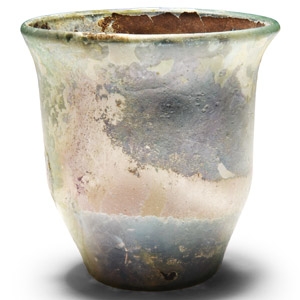
Roman Iridescent Glass Beaker
Circa 2nd-3rd century A.D.Sold for (Inc. bp): £182
Translucent with straight sides narrowing to the dimpled base, flared and rolled rim. 37 grams, 87 mm
Acquired 1970s-1996. Property of a North American collector. London collection, 2016. -
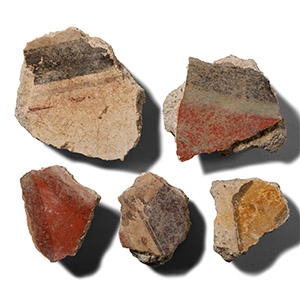
Roman Fresco Painted Wall Plaster Collection
1st century A.D.Sold for (Inc. bp): £72
With painted designs in white, ochre, claret, crimson and blue. 411 grams total, 61-83 mm
Acquired in the 19th century. Ex Jeger collection, Switzerland.
