
Loading, please wait...
LOT 0728
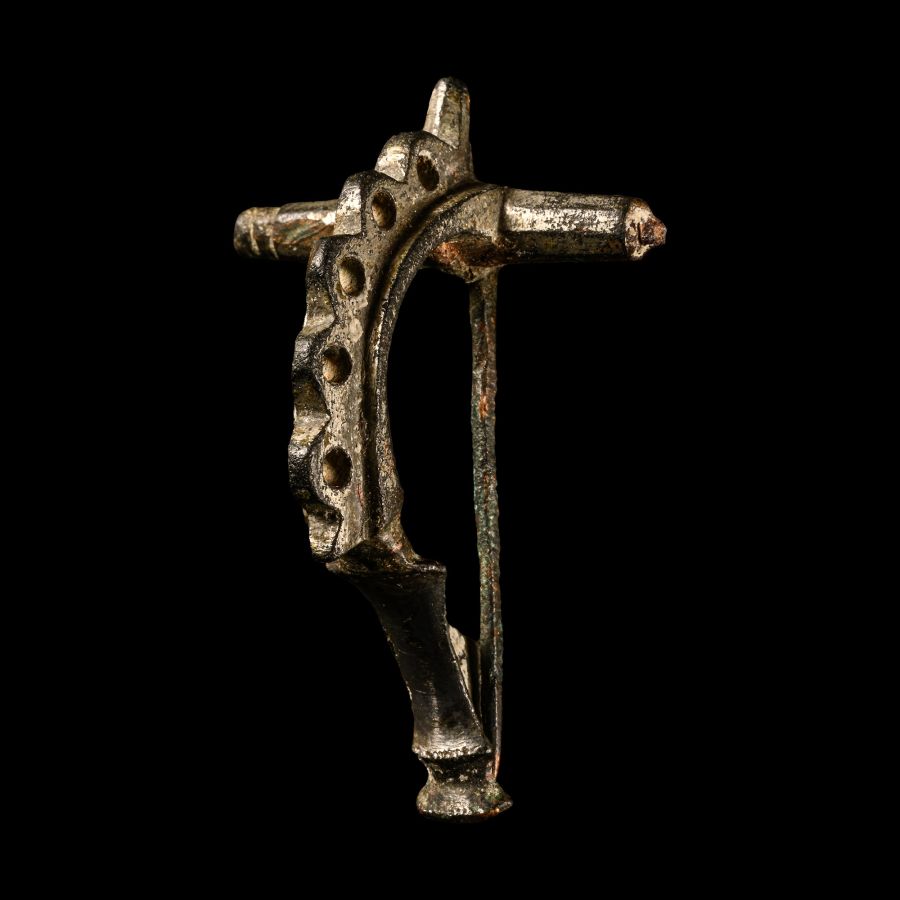
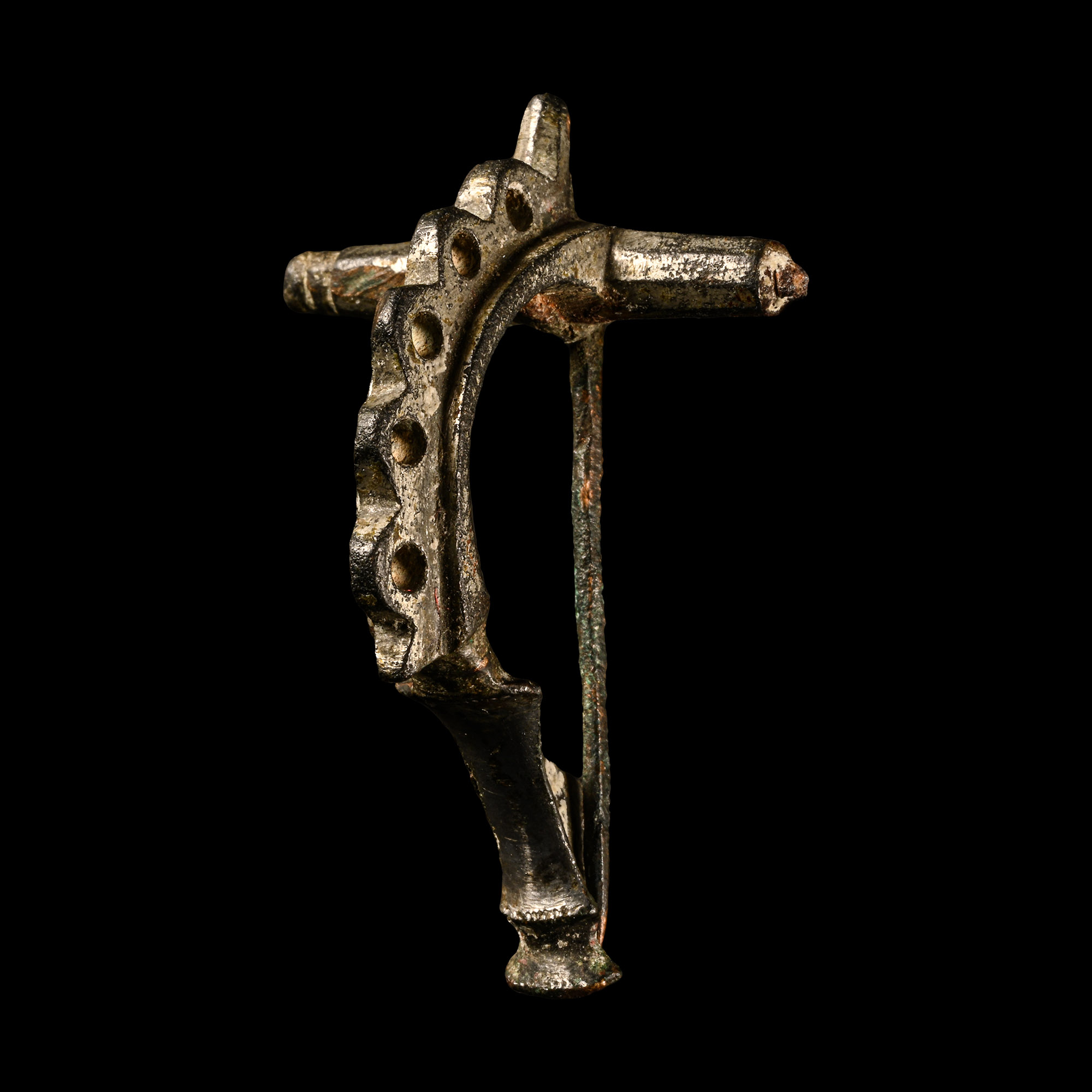
Roman Tinned Bronze Boar Brooch
3RD-4TH CENTURY A.D.
2 in. (14.7 grams, 51 mm).
With a deep bow, the footplate formed as the stylised snout of a boar, the neck bristles formed as a band of openwork loops on the bow; hinged pin.
ProvenanceFound Essex.
Property of an Essex, UK, detectorist.
TimeLine Auctions follows a vetting process to ensure the authenticity and legality of all items, reinforcing our commitment to integrity and responsible trading. Each antiquity, antique, and coin lot undergoes thorough examination by a vetting committee of at least ten external specialists, professional trade association members, scientists, and archaeologists: Our Vetting Process
AUCTIONS:
TimeLine is a leading auction house specialising in antiquities, ancient art, collectables, natural history, coins, medals, and books. Our auctions offer museums, collectors, historians, and enthusiasts the opportunity to acquire unique and historically significant pieces.
-
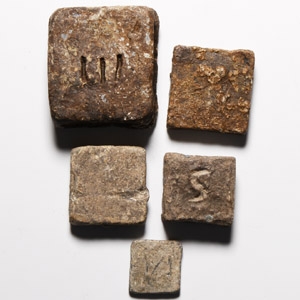
Roman Lead Weight Group
1st-4th century A.D.Sold for (Inc. bp): £33
Group of five lead-alloy square weights, one with 'III' marking, one with 'S' and one with 'N'. 179 grams total, 14-33 mm
Ex Simmons Gallery, London E11, UK, in the 1990s. From a North London collection. -
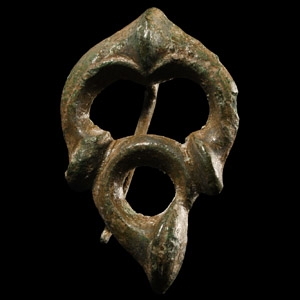
British Roman Military Bronze Trumpet-Whorl Plate Brooch
1st-2nd century A.D.Sold for (Inc. bp): £98
With openwork sub-triangular body made up of three curved trumpets motifs; to the reverse the double pin lug supporting the hinged copper alloy pin, and, at the opposite end is a flat longitudinal catch plate. 7.19 grams, 35 mm
Found whilst searching with a metal detector near Conistone with Kilnsey, North Yorkshire, UK, early 2022. This is a find of note and has been designated to be of Regional importance. Accompanied by a copy of the British Museum's Portable Antiquities Scheme (PAS) report no.SWYOR-A187CC. -
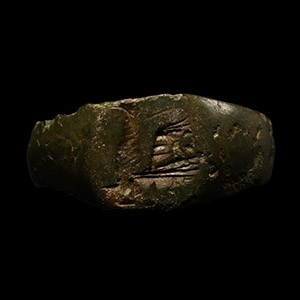
Roman Bronze Ring with Bird in Profile
1st-4th century A.D.Sold for (Inc. bp): £39
With a flat-section hoop, rounded bezel with a large bird with long neck and spread wing in profile. 3.16 grams, 22.14 mm overall, 18.81 mm internal diameter (approximate size British P 1/2, USA 7 3/4, Europe 16.86, Japan 16)
Private collection formed since the 1940s. UK art market. Property of an Essex gentleman.
