
Loading, please wait...
LOT 0808
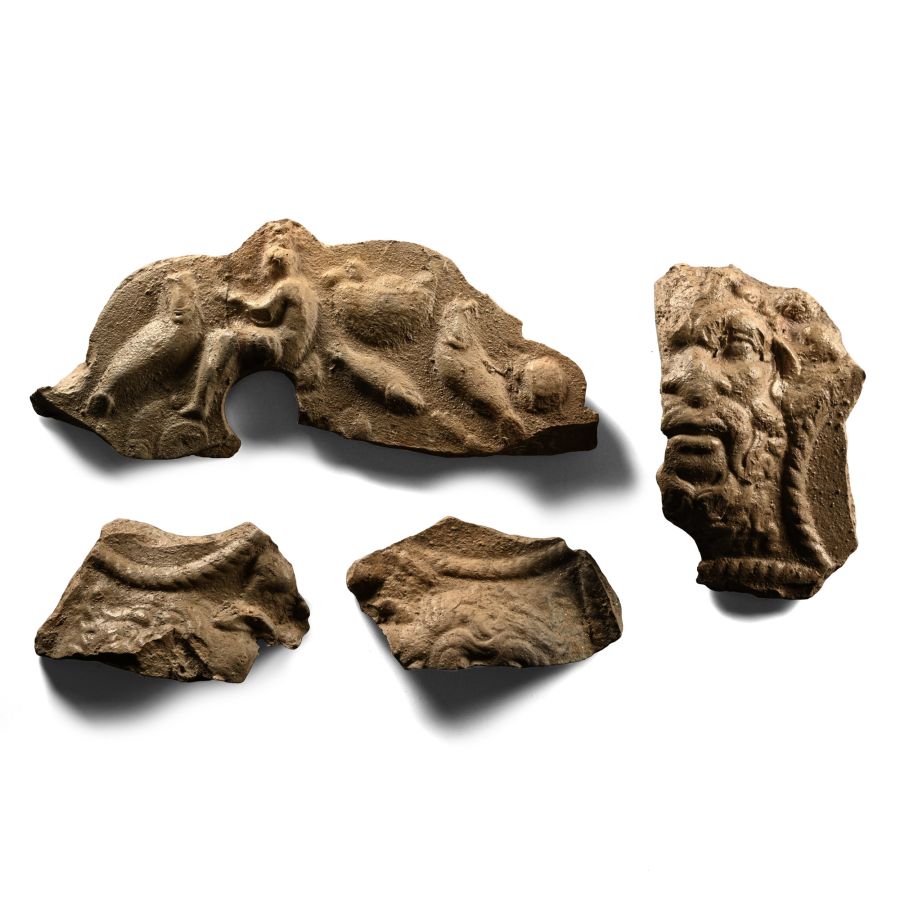
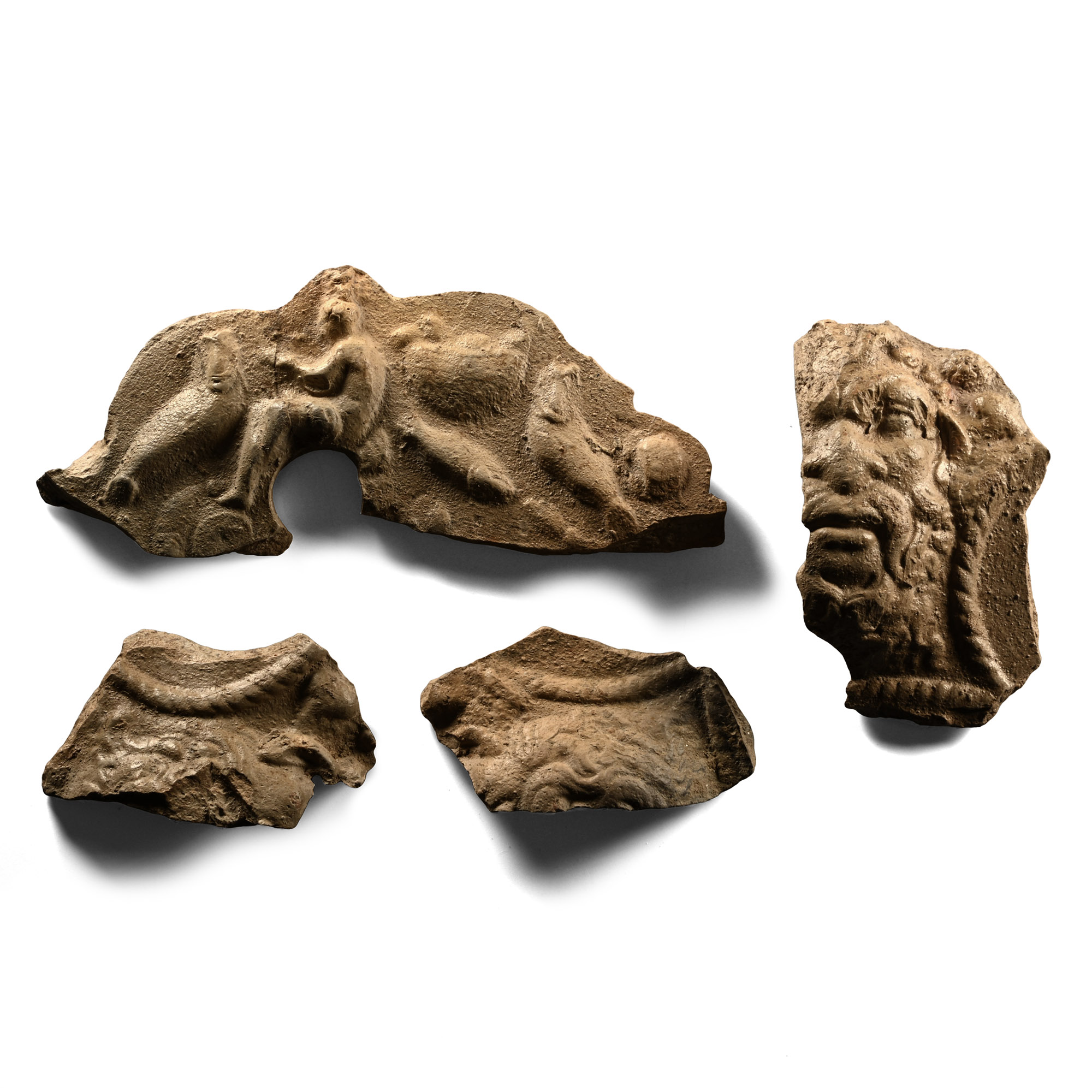
Roman Terracotta Vessel Fragment Group
1ST-4TH CENTURY A.D.
2 3/8 - 4 7/8 in. (96 grams total, 6-12.4 cm).
Each of curved profile with moulded ropework swags and other detailing. [4, No Reserve]
ProvenanceEx German art market, 2000s.
Acquired from an EU collector living in London.
From the collection of Surrey, UK, gentleman.
This lot is accompanied by an illustrated lot declaration signed by the Head of the Antiquities Department, Dr Raffaele D’Amato.
TimeLine Auctions follows a vetting process to ensure the authenticity and legality of all items, reinforcing our commitment to integrity and responsible trading. Each antiquity, antique, and coin lot undergoes thorough examination by a vetting committee of at least ten external specialists, professional trade association members, scientists, and archaeologists: Our Vetting Process
AUCTIONS:
TimeLine is a leading auction house specialising in antiquities, ancient art, collectables, natural history, coins, medals, and books. Our auctions offer museums, collectors, historians, and enthusiasts the opportunity to acquire unique and historically significant pieces.
-
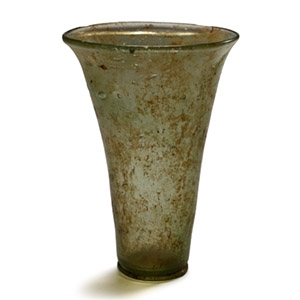
Roman Flared Glass Beaker
1st-2nd century A.D.Sold for (Inc. bp): £468
A 'lotus bud' style beaker with tapering cylindrical body, everted rim and shallow pontil with applied rim to base (partly absent). 117 grams, 11.5 cm
From an important glass collection, London, UK, 1980-1990. This lot is accompanied by an illustrated lot declaration signed by the Head of the Antiquities Department, Dr Raffaele D’Amato. -
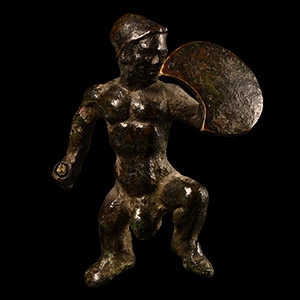
Roman Bronze Figure of a Pygmy
2nd-3rd century A.D.Estimate: £1,500 - 2,000 (‡+bp*)
Opening Bid: £750
Modelled in the round figure of a pygmy with later pelta shield and Corinthian helmet; the figure modelled nude with exaggerated muscles and genitals; mounted on a custom-made stand. 227 grams total, 10 cm high including stand
Old private collection. Anonymous sale, Delorme du Bocage, Paris, 31 March 2010. This lot has been checked against the Interpol Database of stolen works of art and is accompanied by search certificate no.12050-211847. This lot has been cleared against the Art Loss Register database, and is accompanied by an illustrated lot declaration signed by the Head of the Antiquities Department, Dr Raffaele D’Amato. -
.jpg)
Roman Archaising Silver Statuette
1st century B.C.-1st century A.D.Estimate: £1,000 - 1,400 (+bp*)
Opening Bid: £500
Modelled in the round as a kouros standing wearing a calf-length robe held at the waist by a thick cord; shoulder-length hair held by a tiered diadem, collar with three pendant roundels, left arm with bracelet, holding a lyre in the left hand, right hand with handle; sandals to the feet; modern mounting pins and square wooden base. 37.4 grams, 61 mm (40.4 grams total, 66 mm including stand)
Ex Paris auction, 1990s. From a French collection, 2000s. This lot is accompanied by an illustrated lot declaration signed by the Head of the Antiquities Department, Dr Raffaele D’Amato.
