
Loading, please wait...
LOT 1020
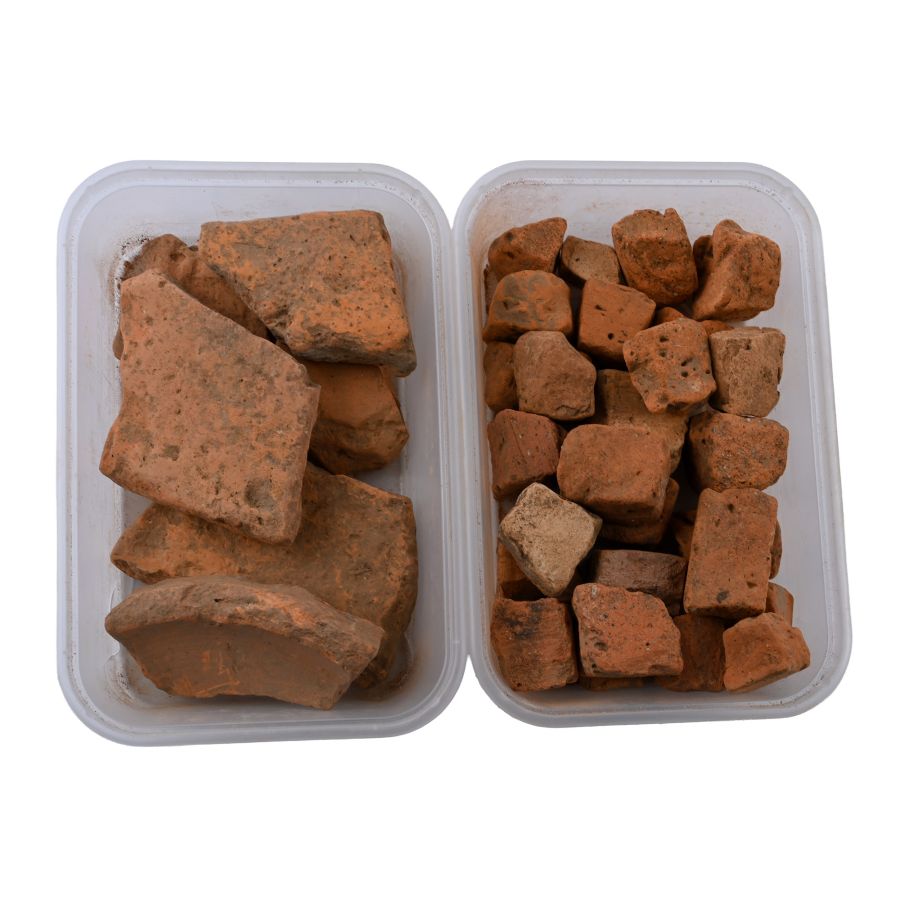
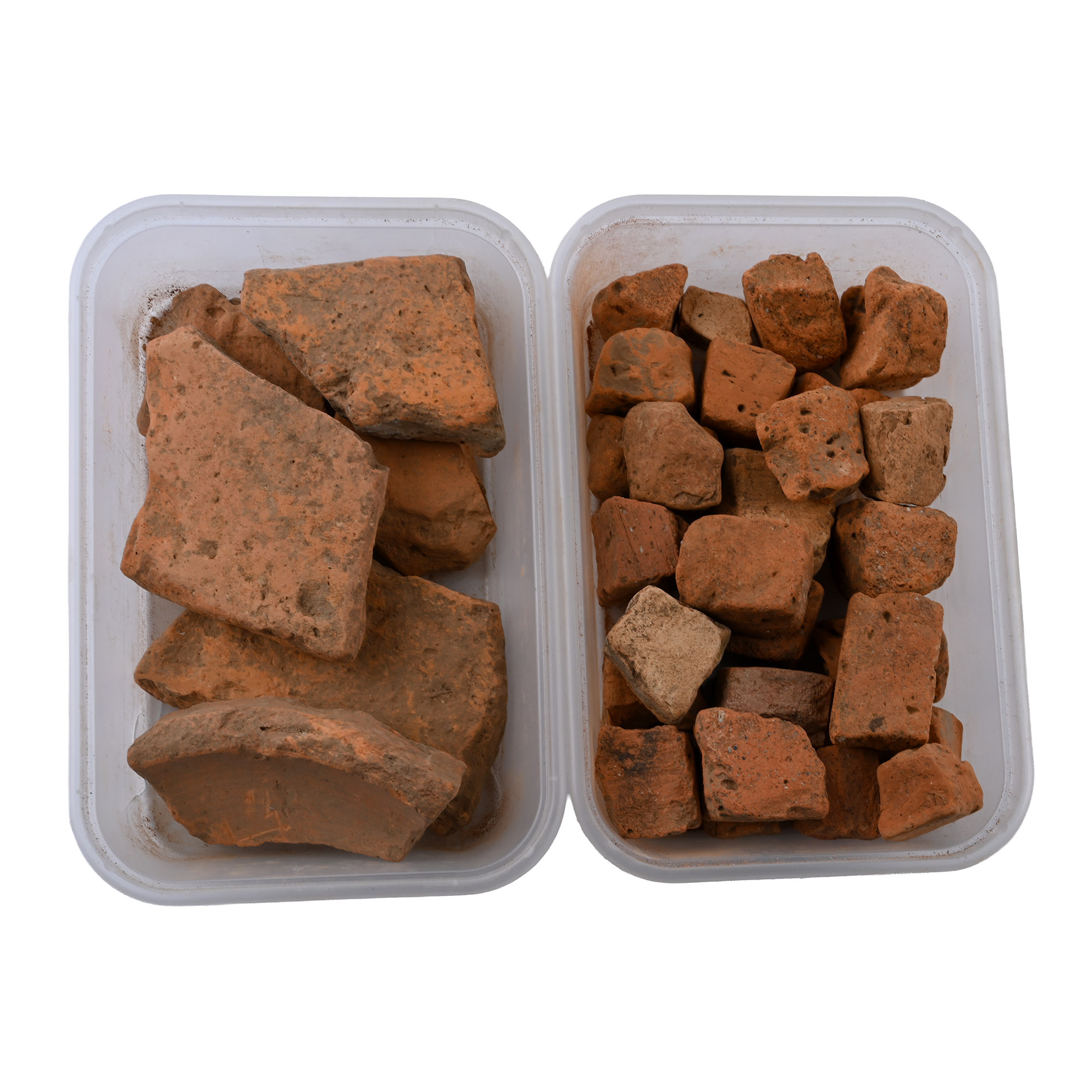
Roman Terracotta Tile Sections and Tesserae Group
CIRCA 1ST-4TH CENTURY A.D.
5/8 - 3 1/2 in. (1 kg total including boxes, 15-90 mm).
Mixed group of roughly cuboid tesserae and variously shaped tile fragments. [No Reserve]
ProvenanceFrom the collection of a Dorset, UK, gentleman.
Ex West London, UK, gentleman.
TimeLine Auctions follows a vetting process to ensure the authenticity and legality of all items, reinforcing our commitment to integrity and responsible trading. Each antiquity, antique, and coin lot undergoes thorough examination by a vetting committee of at least ten external specialists, professional trade association members, scientists, and archaeologists: Our Vetting Process
AUCTIONS:
TimeLine is a leading auction house specialising in antiquities, ancient art, collectables, natural history, coins, medals, and books. Our auctions offer museums, collectors, historians, and enthusiasts the opportunity to acquire unique and historically significant pieces.
-
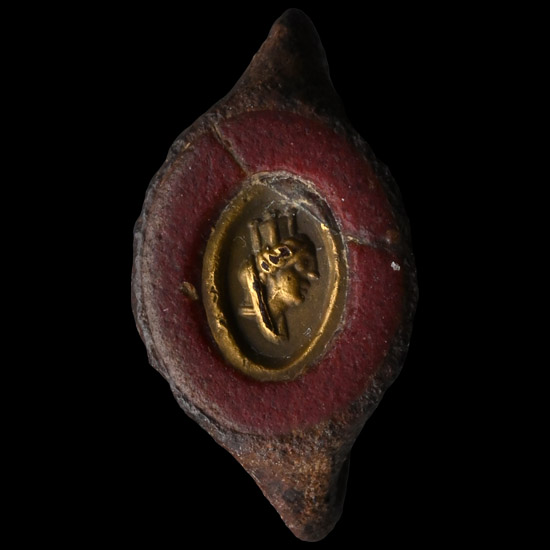
Roman Bronze Portrait Intaglio in Iron Ring
1st-2nd century A.D.Sold for (Inc. bp): £260
Ellipsoid bezel with inset bronze plaque in a red glass surround; low-relief profile bust with solar crown. 2.70 grams, 20.86 mm overall, 16.97 mm internal diameter (approximate size British G 1/2, USA 3 1/2, Europe 5.55, Japan 5)
From the collection of a gentleman, acquired on the London art market in the 1990s. -
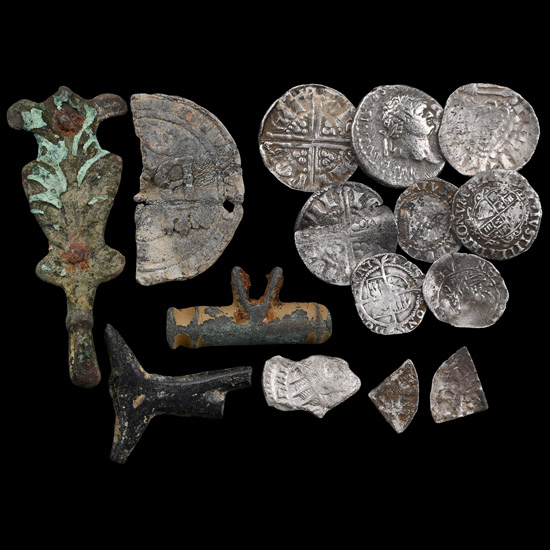
Roman to Post Medieval Coin and Artefact Group
1st-17th century A.D.Sold for (Inc. bp): £169
Including a belt-hanger and other items, coins of Vespasian, Henry III, Elizabeth I, James I, Charles I and others. 32 grams total, 13-51 mm
From a private Suffolk, UK, collection. -
.jpg)
Eastern Roman Gold Earring with Granulation
1st-4th century A.D.Sold for (Inc. bp): £195
Comprising a crescentic hollow-form body with applied filigree and pyramidal granule clusters, finials formed as coiled cones. 1.53 grams, 15.45 mm
From the private collection of a European gentleman (1942-2024), formed since the 1970s.
