
Loading, please wait...


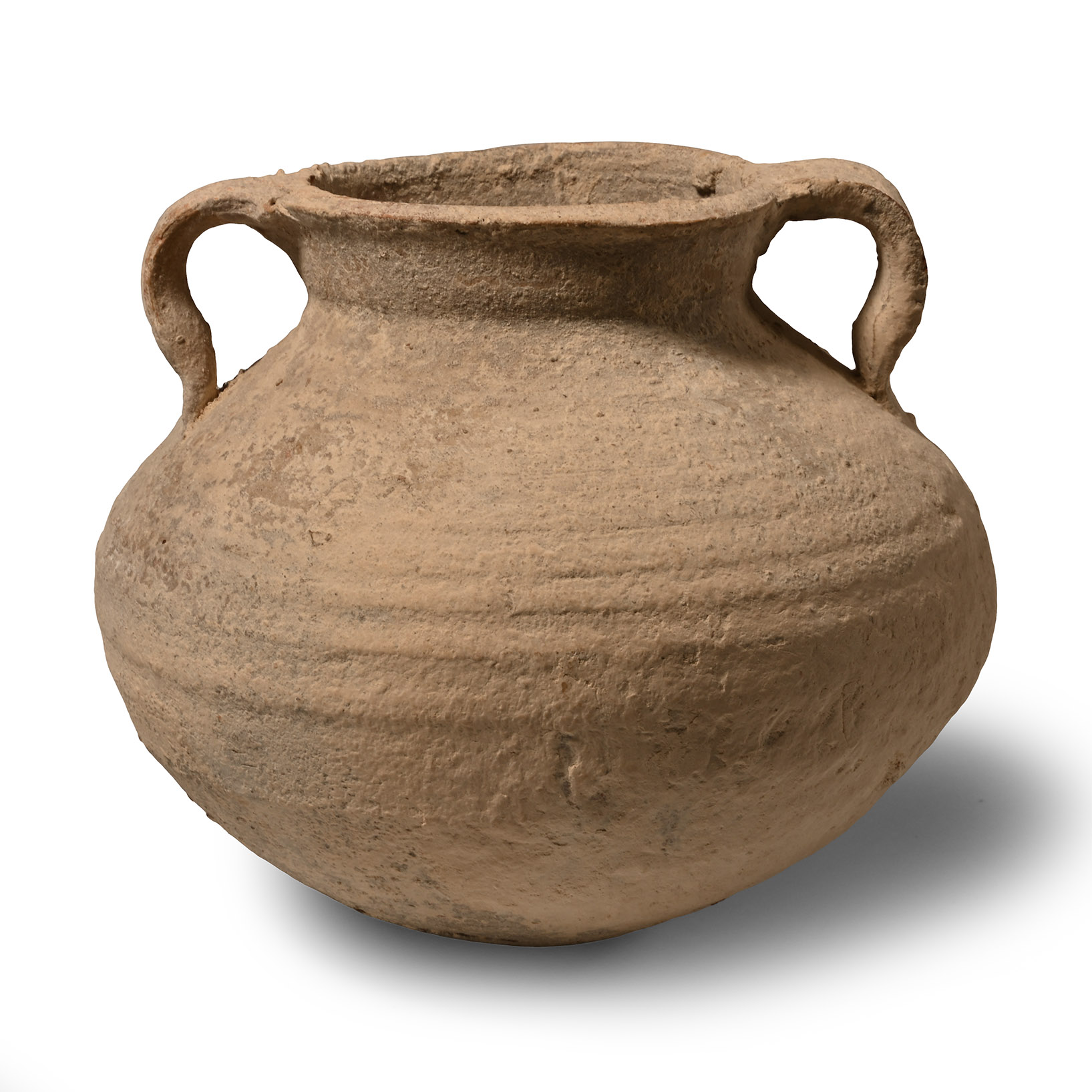
LOT 0602
Roman Terracotta Ribbed Jar with Handles
1ST-2ND CENTURY A.D.
5 1/2 in. (335 grams, 14.1 cm).
Comprising squat body with rounded underside, horizontal ribs to the shoulder, flared neck with chamfered rim, lateral strap handles to the shoulder. [No Reserve]
ProvenanceAcquired from Ancient Art, London, UK, in 2011.
Ex property of an Essex, UK, gentleman.
TimeLine Auctions follows a vetting process to ensure the authenticity and legality of all items, reinforcing our commitment to integrity and responsible trading. Each antiquity, antique, and coin lot undergoes thorough examination by a vetting committee of at least ten external specialists, professional trade association members, scientists, and archaeologists: Our Vetting Process
AUCTIONS:
TimeLine is a leading auction house specialising in antiquities, ancient art, collectables, natural history, coins, medals, and books. Our auctions offer museums, collectors, historians, and enthusiasts the opportunity to acquire unique and historically significant pieces.
-
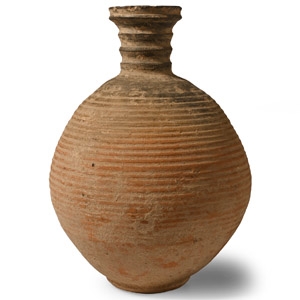
Roman Ribbed Terracotta Vase
1st-4th century A.D.Sold for (Inc. bp): £72
With bulbous body and trumpet-shaped mouth; bands of rouletting to the sidewall below the shoulder, corrugated profile to the neck and mouth. 369 grams, 18 cm
From a family collection mostly formed in the 1940s-1950s, thence by descent. -
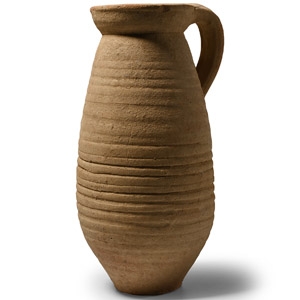
Roman Buff Ware Jug
North African, 2nd-3rd century A.D.Sold for (Inc. bp): £72
A pitcher with short footed base and ribbed sides that taper to the neck; topped by a wide, flared spout and thick strap handle; to the base 'from Tunisia - - (?) 1951'. 347 grams, 16.5 cm
Acquired London art market, 1960s-1980s. Ex property of an Essex, UK, collector. -
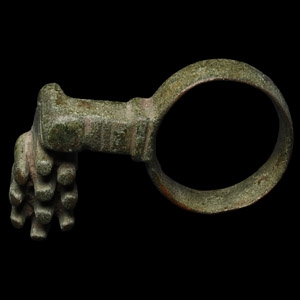
Roman Bronze Key Ring
1st-2nd century A.D.Sold for (Inc. bp): £169
Comprising a narrow hoop, short shank, lateral lobe cut with teeth. 14.7 grams, 36 mm
From the private collection of Mr K.A., acquired in the 1990s-early 2000s.
