
Loading, please wait...
LOT 1234
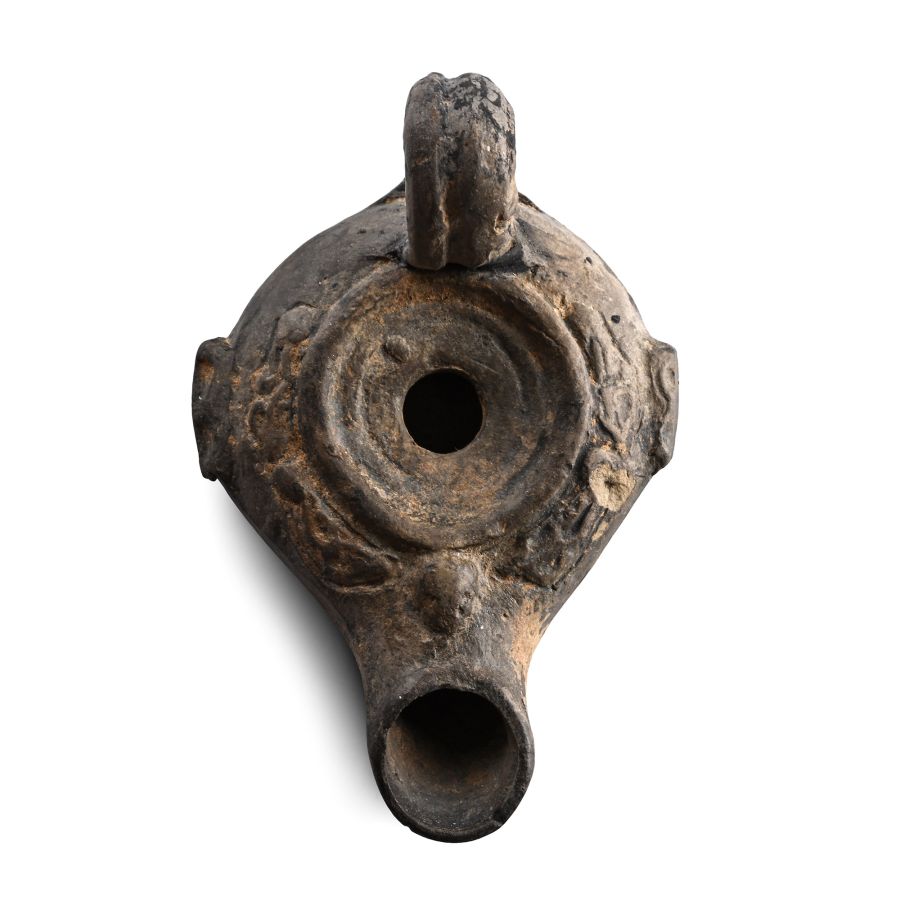
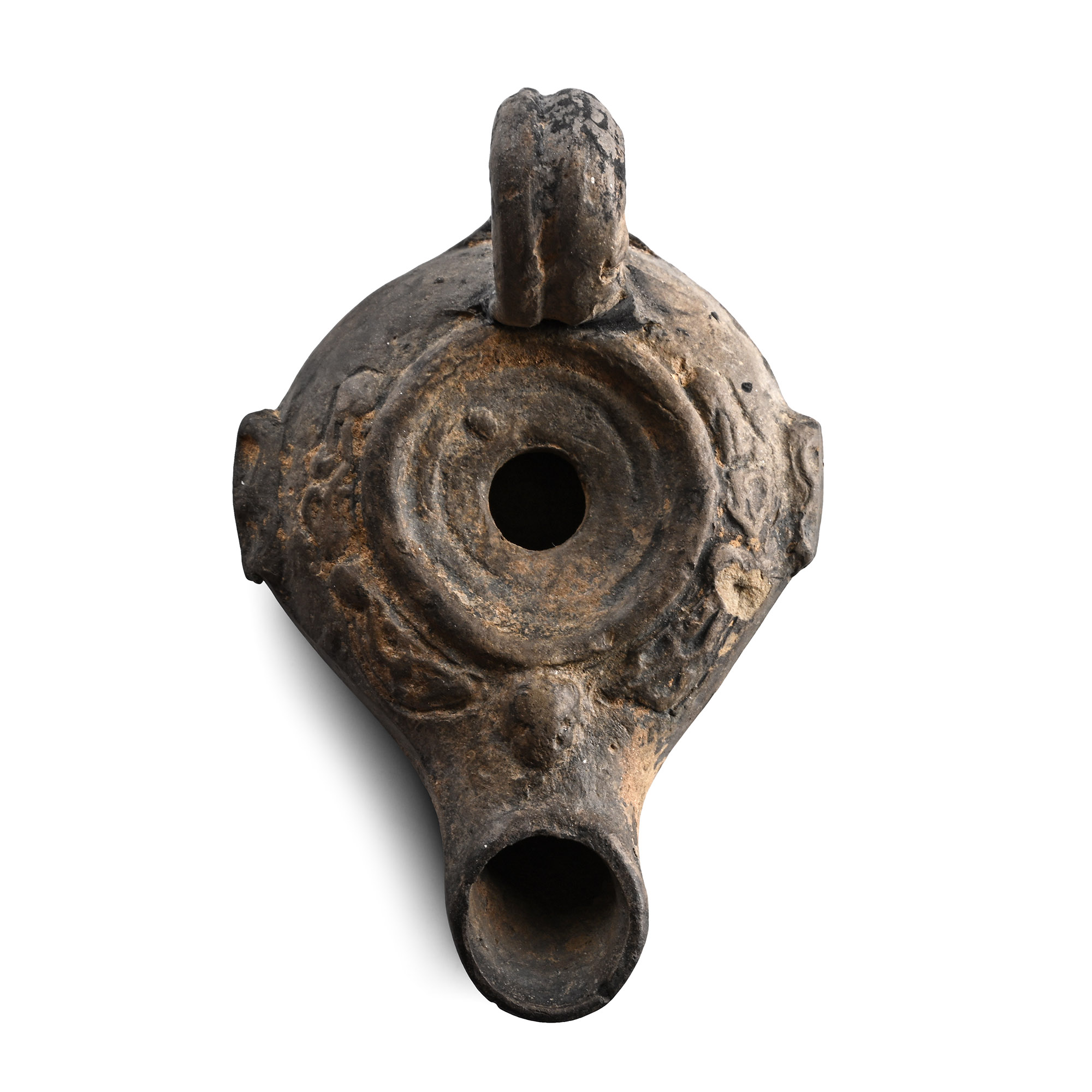
Roman Terracotta Oil Lamp
2ND-3RD CENTURY A.D.
3 3/8 in. (32.7 grams, 85 mm).
Biconvex in section with broad scooped nozzle, tendril detailing to the shoulder, ribbed loop handle; inked '181' to base. [No Reserve]
ProvenanceEx important German collection, 1970s onwards.
LiteratureCf. for similar examples Bussière, J. & Lindros Wohl, B.,Ancient Lamps in the J. Paul Getty Museum, Malibu, 2017, no.18.
CONDITIONTimeLine Auctions follows a vetting process to ensure the authenticity and legality of all items, reinforcing our commitment to integrity and responsible trading. Each antiquity, antique, and coin lot undergoes thorough examination by a vetting committee of at least ten external specialists, professional trade association members, scientists, and archaeologists: Our Vetting Process
AUCTIONS:
TimeLine is a leading auction house specialising in antiquities, ancient art, collectables, natural history, coins, medals, and books. Our auctions offer museums, collectors, historians, and enthusiasts the opportunity to acquire unique and historically significant pieces.
LOT 1234
Roman Terracotta Oil Lamp
Estimate £80 - 100€93 - 116 (for guidance only)$108 - 135 (for guidance only)
Opening Bid
£5 (EUR 6; USD 7) +BP*
-
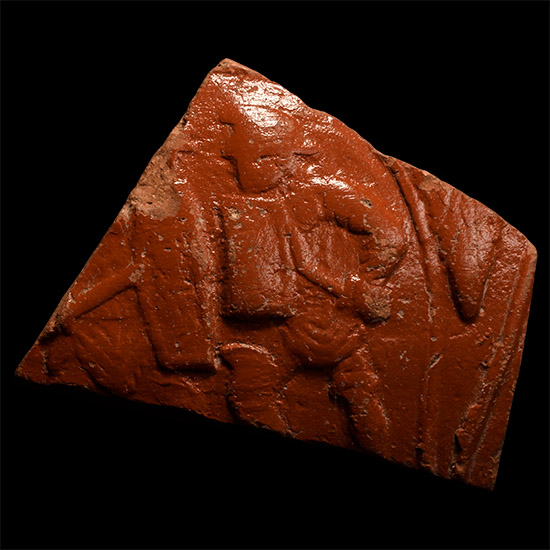
Roman Redware Bowl Fragment with Gladiators in Combat
3rd-4th century A.D.Estimate: £40 - 60 (+bp*)
Bids: 1 | Current Bid: £5
Curved in profile with low-relief scene of gladiators advancing with large rectangular scutum and drawn gladius, portion of vine-leaf in the field. 16.3 grams, 54 mm
From the private collection of Peter Clayton, FCILIP, Dip, Arch, FSA, FRNS, Hemel Hempstead, Hertfordshire, UK; formed since the late 1950s. -
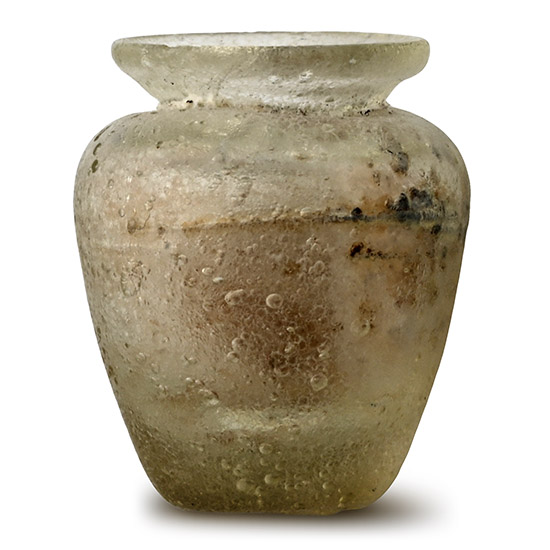
Roman Miniature Glass Cosmetic Jar
Circa 1st-2nd century A.D.Estimate: £80 - 100 (+bp*)
Opening Bid: £5
Piriform body with flattened base and expanding rim. 7.13 grams, 25 mm
London gentleman's collection, 1970-1990s, by descent. -
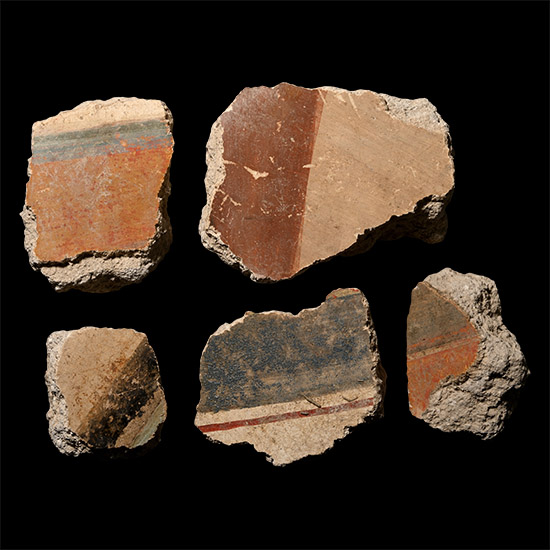
Roman Fresco Wall Plaster Collection
1st century A.D.Estimate: £50 - 70 (+bp*)
Opening Bid: £5
Fragments of wall plaster with rendered surface painted with mainly Pompeii red, pale blue, brown and cream detailing; some with an impression of timber laths to the reverse. 1.21 kg total, 7.2-14.7 cm
Acquired in the 19th century. Ex Jeger collection, Switzerland. UK gallery, early 2000s.
These small fragments, by analogy with the fragments of Pompeii, seem to belong to the second style of Roman painting - red panels representing highlight and shadow, decorated with vegetal interlaces. A red grenade fillet probably framed some panels. A fragment shows alternate blue and red colours over a cream background, maybe pertinent to a socle.
