
Loading, please wait...
LOT 0870
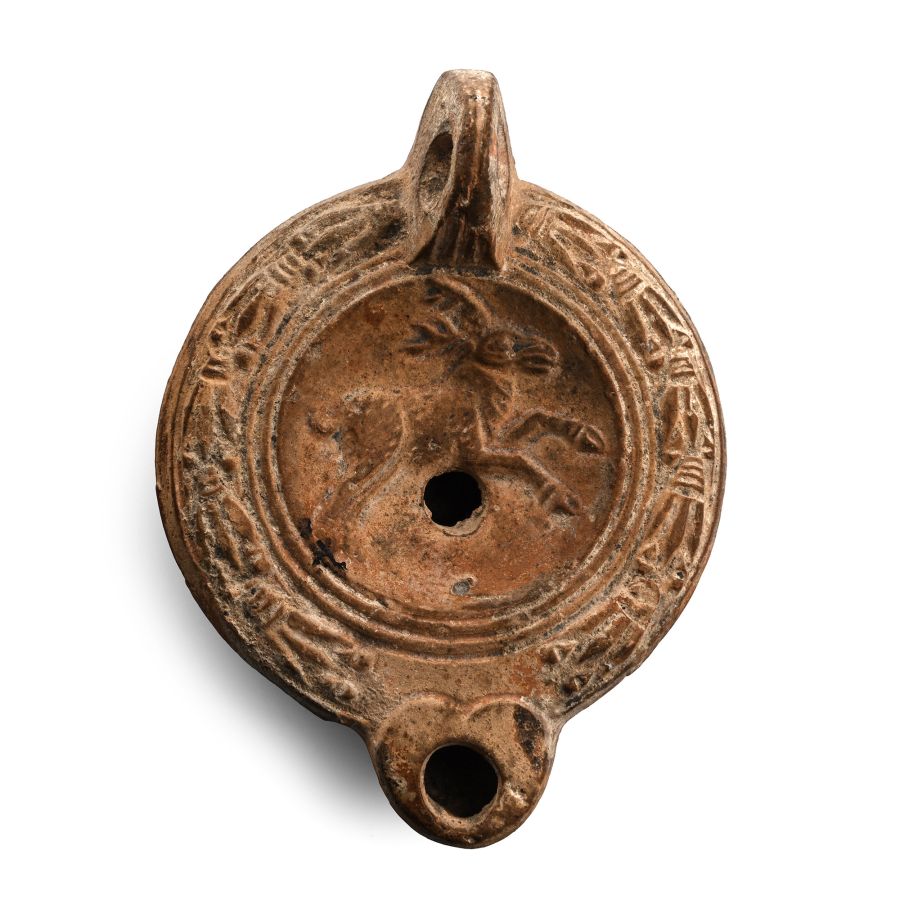
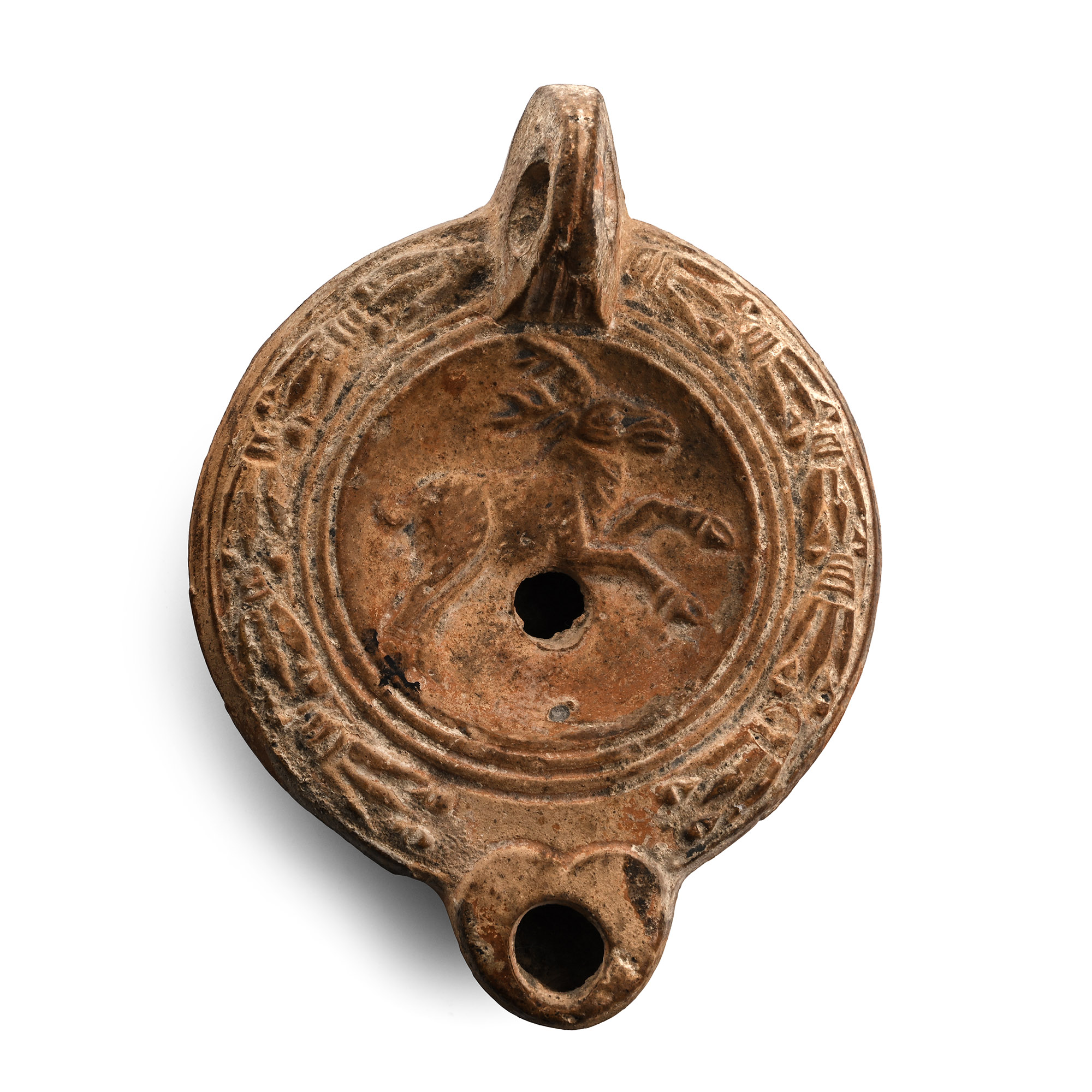
Roman Terracotta Oil Lamp with Rampant Stag
2ND CENTURY A.D.
4 in. (81 grams, 10.3 cm).
Discoid in plan with stub heart-shaped nozzle, loop handle with ribbing to outer face, shoulder with low-relief wreath detailing, discus with stag running right; ropework bands to underside of nozzle, base marked off with two circular grooves, impressed 'C' to centre.
ProvenanceFrom a Scottish gentleman’s collection, Glasgow, formed from the early 2000s.
LiteratureCf. Bussière, J., Lindros Wohl, B., Ancient Lamps in the J. Paul Getty Museum, Malibu, 2017, no.333, p.233, for type.
CONDITIONTimeLine Auctions follows a vetting process to ensure the authenticity and legality of all items, reinforcing our commitment to integrity and responsible trading. Each antiquity, antique, and coin lot undergoes thorough examination by a vetting committee of at least ten external specialists, professional trade association members, scientists, and archaeologists: Our Vetting Process
AUCTIONS:
TimeLine is a leading auction house specialising in antiquities, ancient art, collectables, natural history, coins, medals, and books. Our auctions offer museums, collectors, historians, and enthusiasts the opportunity to acquire unique and historically significant pieces.
-
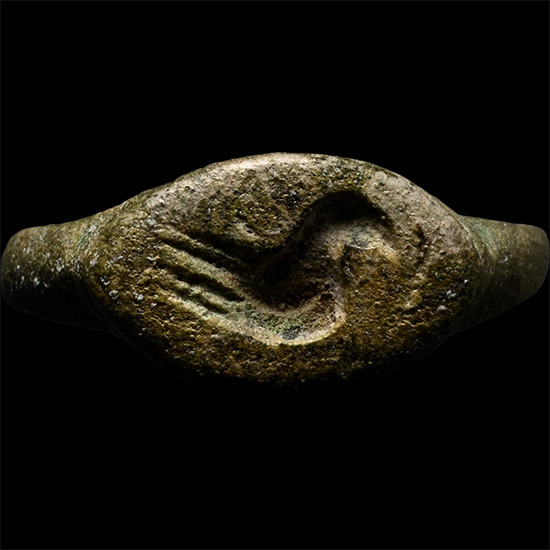
Roman Bronze Ring with Bird
4th century A.D.Sold for (Inc. bp): £91
Comprising a slender hoop and a raised lentoid-shaped bezel with a standing bird, probably a dove. 3.98 grams, 24.21 mm overall, 19.16 mm internal diameter (approximate size British S, USA 9, Europe 20, Japan 19)
Acquired on the UK and EU art market before 2000. From the private collection of a Surrey, UK, gentleman.
A considerable proportion of rings of the Late Roman Christian Empire are signets, with portraits, names or monograms, and emblems such as the cross, the fish, the dove, i.e. early Christian symbols, and most of these have the designs cut in a metal bezel. -
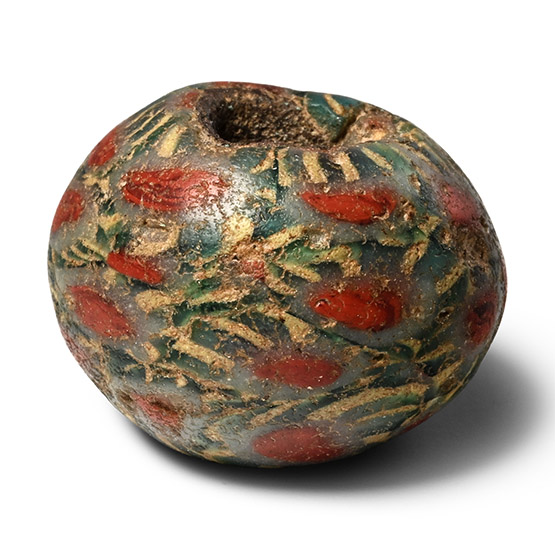
Roman Mille Glass Bead
1st-3rd century A.D.Sold for (Inc. bp): £78
Oblate in form with broad vertical perforation. 18.6 grams, 28 mm
London collection, 1979-1983. -
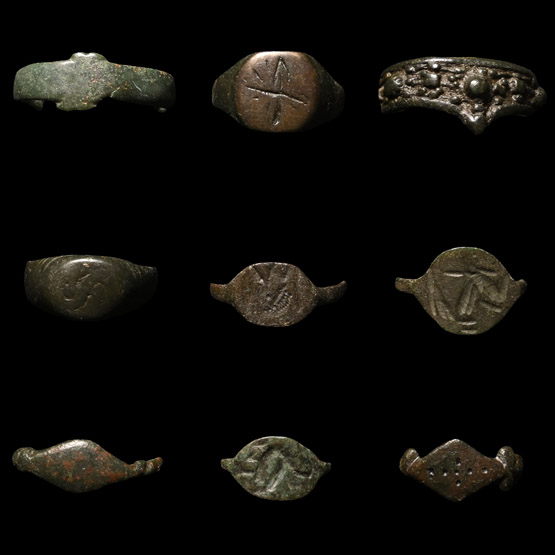
Roman to Medieval Bronze Ring Collection
1st-16th century A.D.Sold for (Inc. bp): £72
Including bezel with 'JA' monogram, lozenge bezel with punched points and other types. 30.7 grams total, 18-26 mm
Ex German art market, 2000s. Acquired from an EU collector living in London. From the collection of a Surrey, UK, gentleman.
