
Loading, please wait...


LOT 0892
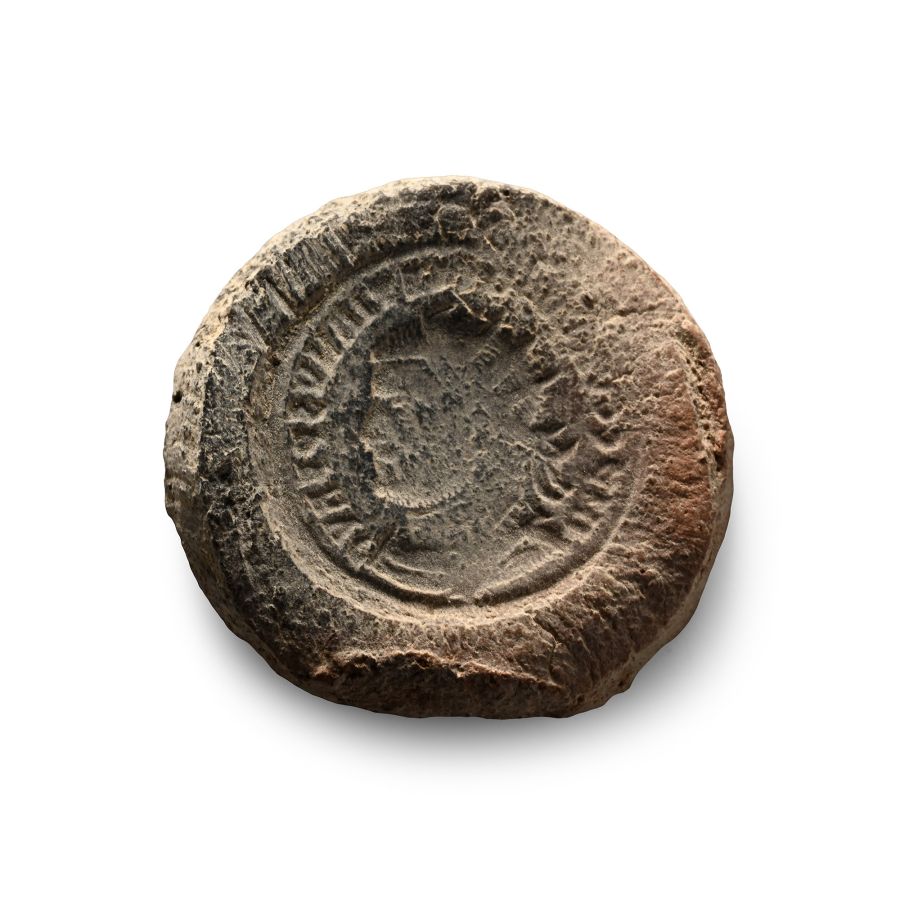
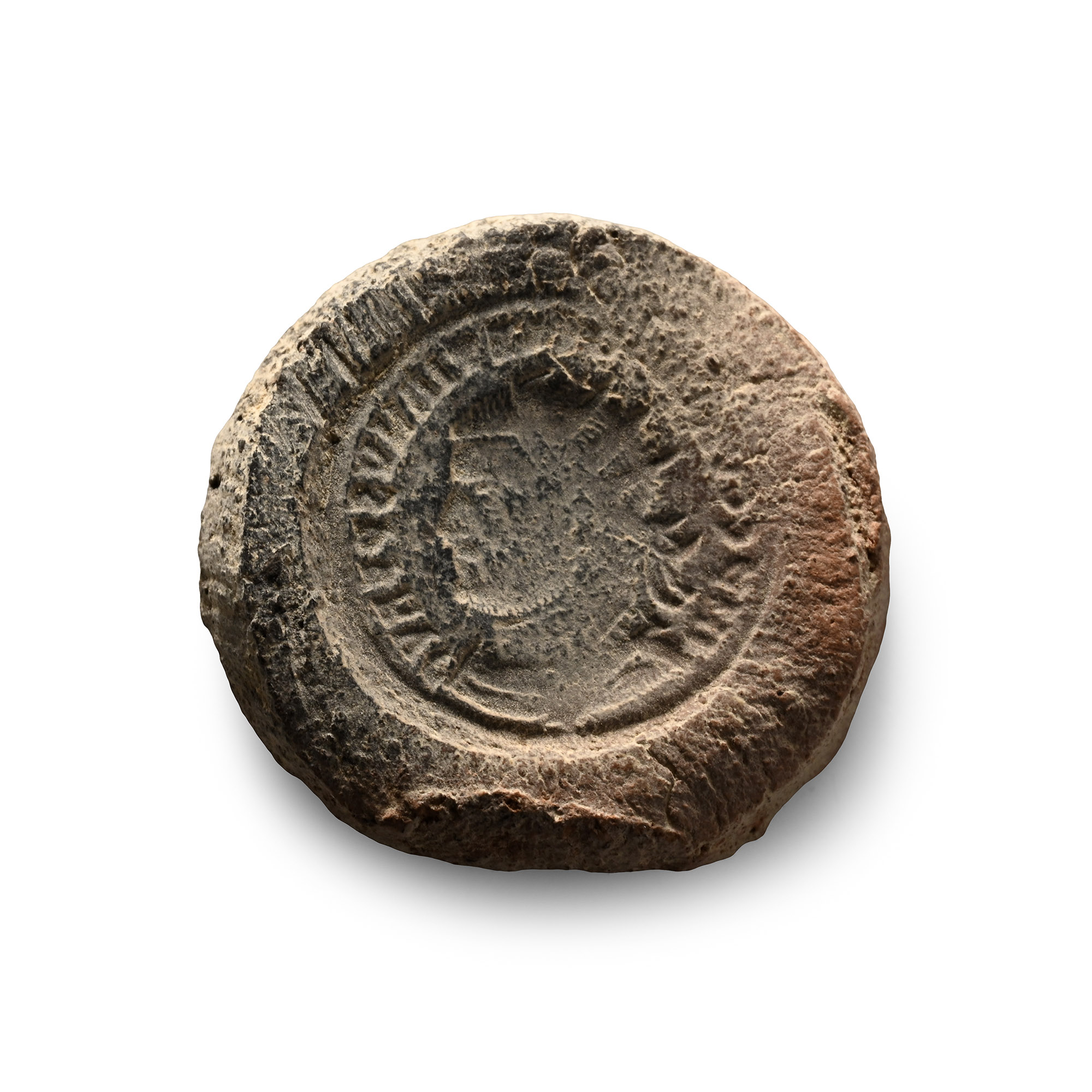
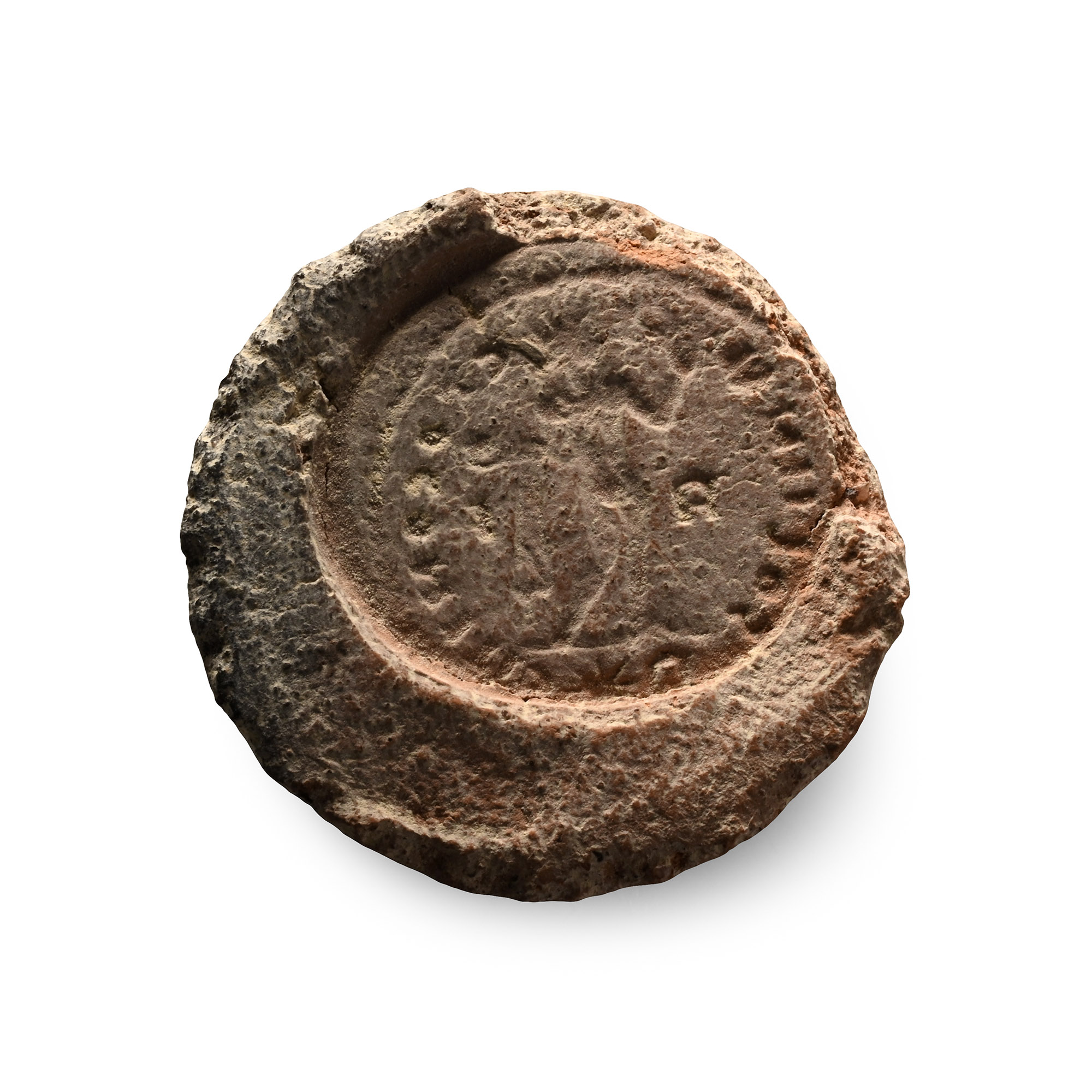
Roman Terracotta Coin Forger's Mould
CIRCA 3RD-4TH CENTURY A.D.
1 in. (5.26 grams, 27 mm).
Discoid clay mould with an impressed design of a coin on each face. [No Reserve]
ProvenanceLondon gentleman's collection, 1970-1990s, by descent.
CONDITIONTimeLine Auctions follows a vetting process to ensure the authenticity and legality of all items, reinforcing our commitment to integrity and responsible trading. Each antiquity, antique, and coin lot undergoes thorough examination by a vetting committee of at least ten external specialists, professional trade association members, scientists, and archaeologists: Our Vetting Process
AUCTIONS:
TimeLine is a leading auction house specialising in antiquities, ancient art, collectables, natural history, coins, medals, and books. Our auctions offer museums, collectors, historians, and enthusiasts the opportunity to acquire unique and historically significant pieces.
LOT 0892
Roman Terracotta Coin Forger's Mould
Estimate £50 - 70€58 - 81 (for guidance only)$68 - 95 (for guidance only)
-
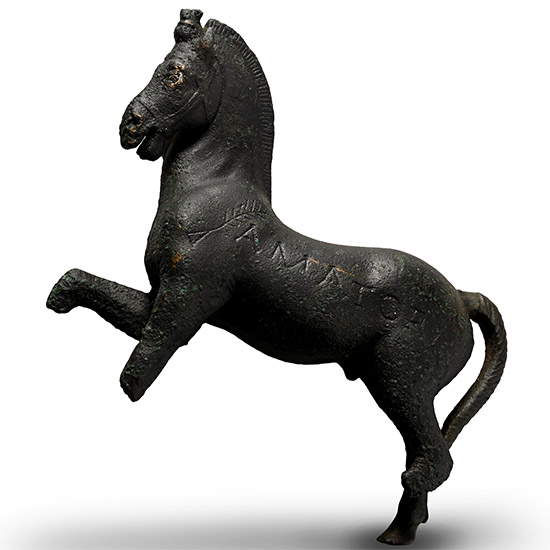
Large Roman 'AMATOR' Bronze Prancing Horse Statue
3rd century A.D.Estimate: £4,000 - 6,000 (+bp*)
Bids: 1 | Current Bid: £2,000
Modelled in the round with an elongated neck, right foreleg raised, head turned slightly to the right with open mouth wearing a bridle, short mane and tail with ribbed engraved decoration, inscription 'AMATOR' next to a branch; lower parts of three legs absent. 376 grams, 11.1 cm
Found Norfolk, UK. Acquired on the UK art market in the 1980s. From an East Anglian private collection. Accompanied by an academic report by Dr Raffaele D'Amato. This lot has been checked against the Interpol Database of stolen works of art and is accompanied by search certificate no.13549-262542.
Romans frequently used 'amator' combined with a noun to show a deep dedication to a particular craft or lifestyle. On a freestanding bronze horse statue, it could be a self-dedication by the person who commissioned it. Alternatively, 'amator' could be the name of the person who owned the statue or a demonstration of dedication to a specific horse or craft of horse-breeding. -
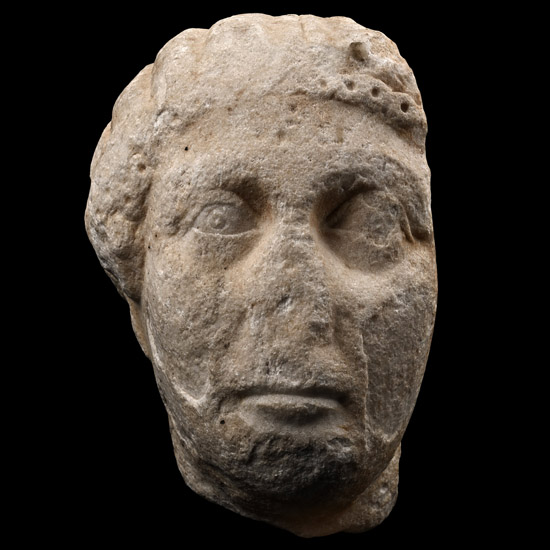
Roman Marble Head of a Woman
3rd-4th century A.D.Estimate: £4,000 - 6,000 (+bp*)
Opening Bid: £2,222
Carved in three-quarter view, with hair dressed in a chignon with frontal band and wavy segments; soft facial features with much detailing remaining to the proper right eye and mouth; likely a frieze fragment; mounted on an old collector's display stand with typed label 'Marble, woman's head / Egypt / C.25-100 A.D. / Cat.No. 6169'. 8.45 kg, 39 cm high
Acquired in trade from the San Franciscanum Museum, Israel, prior to 1980. with Archaeologia, pre 1983, Switzerland and Canada. Accompanied by an academic report by Dr Raffaele D’Amato. This lot has been checked against the Interpol Database of stolen works of art and is accompanied by search certificate number no.12964-242755.
The arrangement of the hair is characteristic of female portraits dating between the late Severan and Tetrarchic periods. The head, due to the treatment of the hair, finds comparisons with a female portrait in the Museo Nazionale Romano, depicting an elderly woman of the Antonine era, and with another female portrait in the same museum, dated to the third decade of the 3rd century A.D., reworked in the Tetrarchic period, and which showed a Severan so-called Nest Frisur hairstyle. The sculpture in question can therefore be dated between the 3rd century A.D. and the first decades of the 4th century A.D. based on the hairstyle, the shape of the eyes and the eyebrows. -
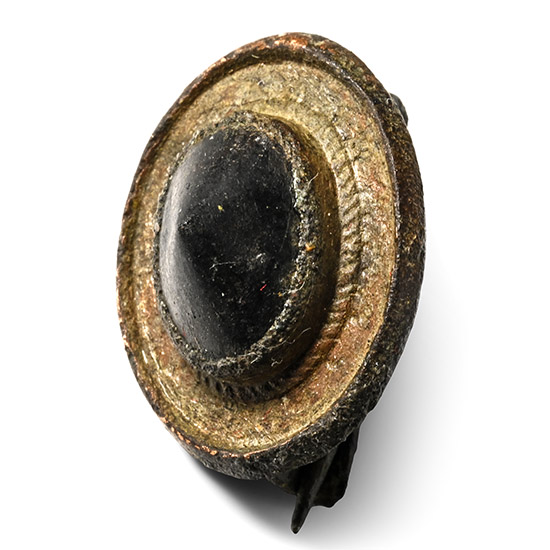
Roman Gilt Bronze Brooch with Conical Gem
Circa 2nd-4th century A.D.Estimate: £80 - 100 (+bp*)
Bids: 1 | Current Bid: £5
An oval brooch with raised rim and bezel with inserted conical black stone, pin and catchplate to the reverse. 7.04 grams, 23.1 mm
Acquired on the UK art market in the 1980s. From an East Anglian private collection.
