
Loading, please wait...
LOT 1057
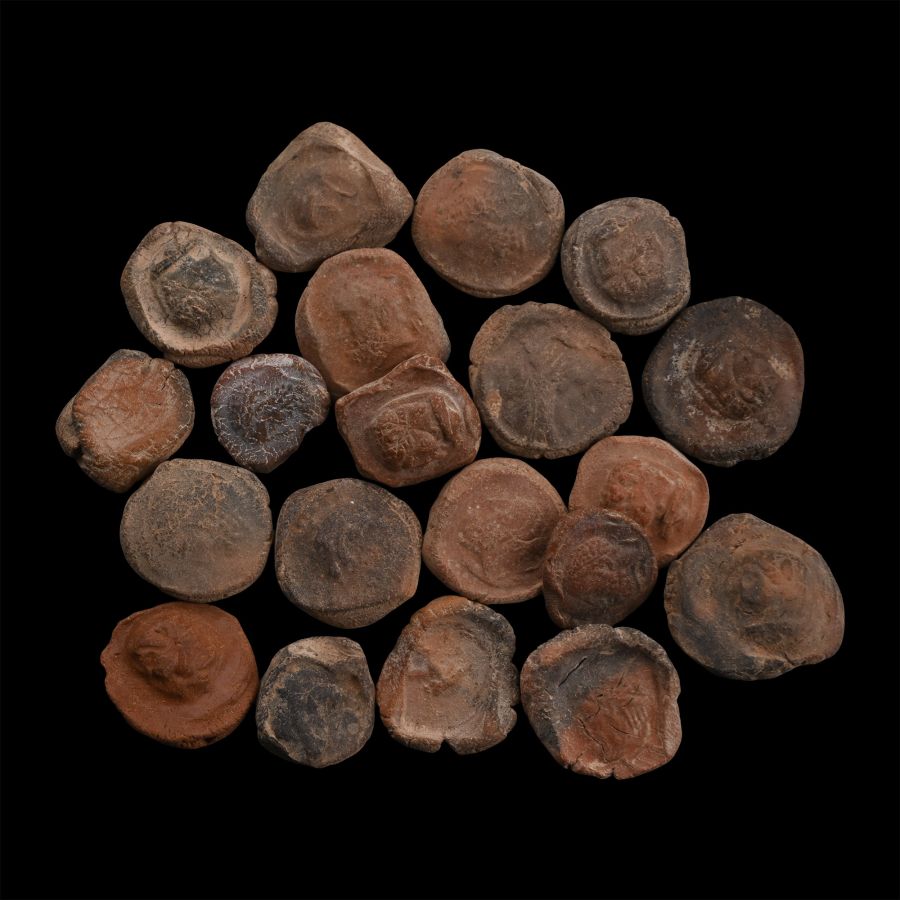
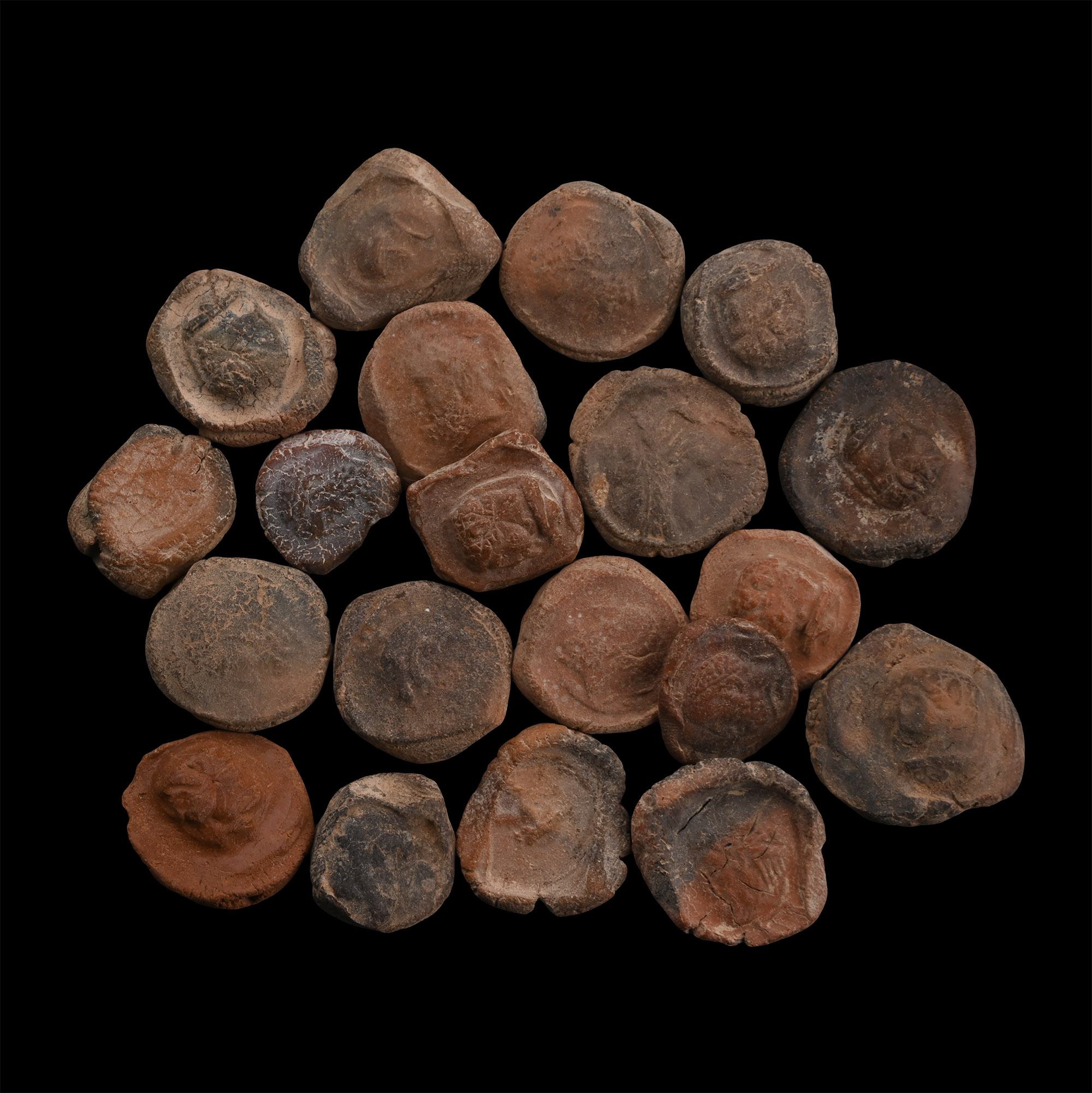
Roman Terracotta Bullae, Tesserae or Token Group
3RD CENTURY B.C.-1ST CENTURY A.D.
5/8 - 7/8 in. (43 grams total, 16-23 mm).
A mixed group of ceramic bullae, tesserae or theatre tokens bearing low-relief motifs, mainly consisting of profile busts of deities. [20, No Reserve]
ProvenanceFrom the private collection of a European gentleman (1942-2024), formed since the 1970s.
FootnotesThe term 'tessera' was used in Roman times to convey the Greek term σύμβολον (token). Small tiles are known as tokens, often shaped like coins, made of metal (copper, lead, iron), clay, bone, wood, or glass, stamped as well as engraved. The tokens, however, are not exclusively coin-shaped, as the Latin term 'tessera' suggests by etymologically referring to a square or at least a four-sided shape and confirmed in several cases by material remains of the past. Tokens and tesserae seem to have been used both in Athens and Rome for the distribution of goods. According to written sources, the term token is identified with credentials of the official authorities. They have also been interpreted as tokens of identity, as entrance tickets to theatre performances, tribunals or assemblies of citizens, archival material of seal engraving, as pawns in games, Charon’s obols and even as amulets.
CONDITIONTimeLine Auctions follows a vetting process to ensure the authenticity and legality of all items, reinforcing our commitment to integrity and responsible trading. Each antiquity, antique, and coin lot undergoes thorough examination by a vetting committee of at least ten external specialists, professional trade association members, scientists, and archaeologists: Our Vetting Process
AUCTIONS:
TimeLine is a leading auction house specialising in antiquities, ancient art, collectables, natural history, coins, medals, and books. Our auctions offer museums, collectors, historians, and enthusiasts the opportunity to acquire unique and historically significant pieces.
-
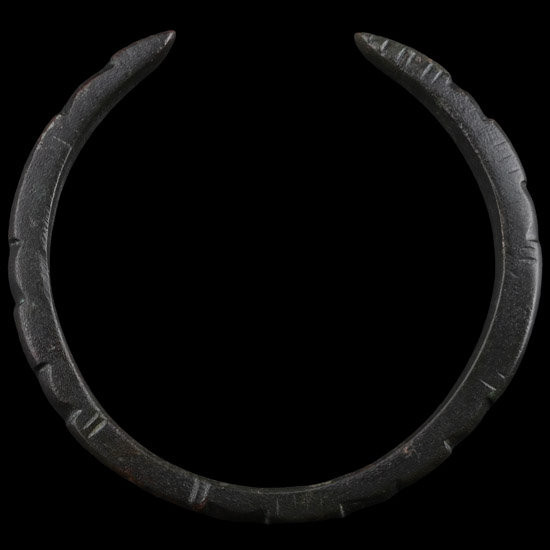
Roman Bronze Decorated Armilla Bracelet
1st-4th century A.D.Sold for (Inc. bp): £91
Penannular rectangular-section body divided into segments with linear decoration. 29.7 grams, 59 mm
Ex German art market, 2000s. Acquired from an EU collector living in London. From the collection of a Surrey, UK, gentleman. -
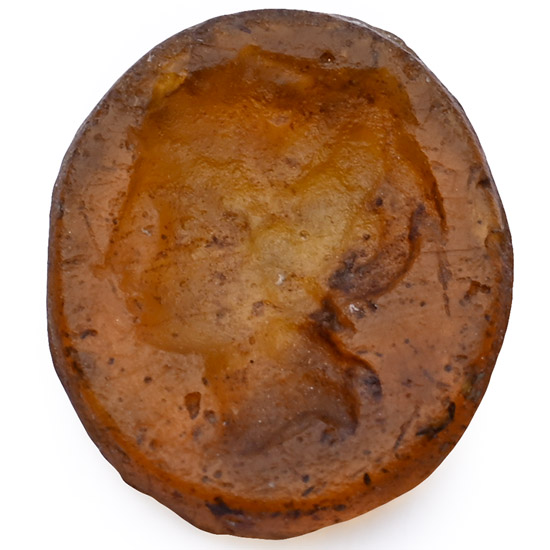
Roman Glass Gem with Female Bust
2nd-3rd century A.D.Sold for (Inc. bp): £78
With intaglio profile female bust with hair in a chignon; supplied with a museum-quality impression. 0.27 grams, 11.43 mm
From the private collection of a European gentleman (1942-2024), formed since the 1970s. -
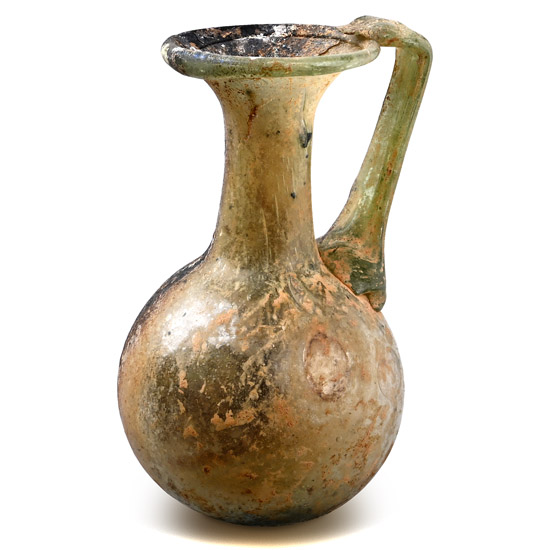
Roman Blown Glass Jug
2nd-4th century A.D.Estimate: £250 - 350 (‡+bp*)
Opening Bid: £125
Bulbous body and rounded underside, long neck, trumpet-shaped mouth with applied rim, applied strap handle with ribbing. 40 grams, 96 mm
Acquired in the 1992. Private collection, Switzerland, thence by descent. Private collection, since the late 1990s.
Roman glass from the 2nd to 4th century A.D. gives a fascinating insight into everyday life in the Roman Empire. By this time, glassmaking had become highly skilled, and glass vessels were being produced on a much larger scale than before. Thanks to the development of glassblowing, makers were able to create practical as well as attractive objects such as bottles, flasks, jars, and drinking vessels. Much of the glass from this period has a soft blue-green tint, caused by natural elements in the raw materials. Although some pieces were finely decorated, many were made for ordinary daily use, showing how glass had become far more common and accessible across Roman society.
