
Loading, please wait...
LOT 1439
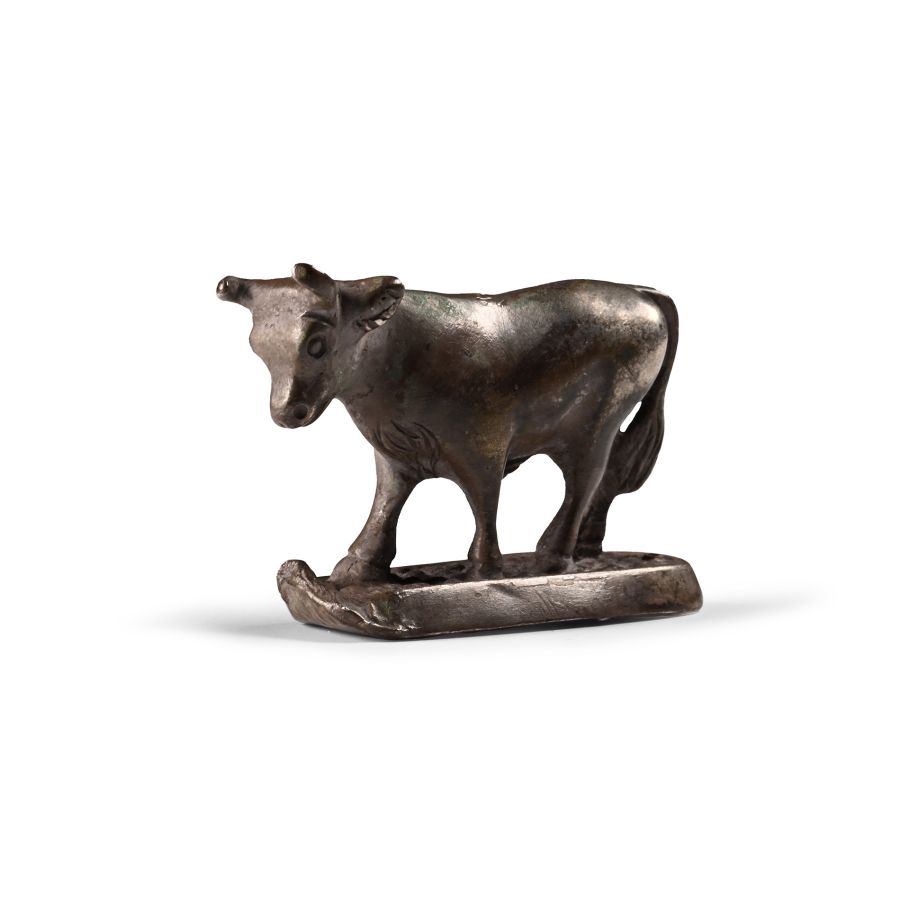
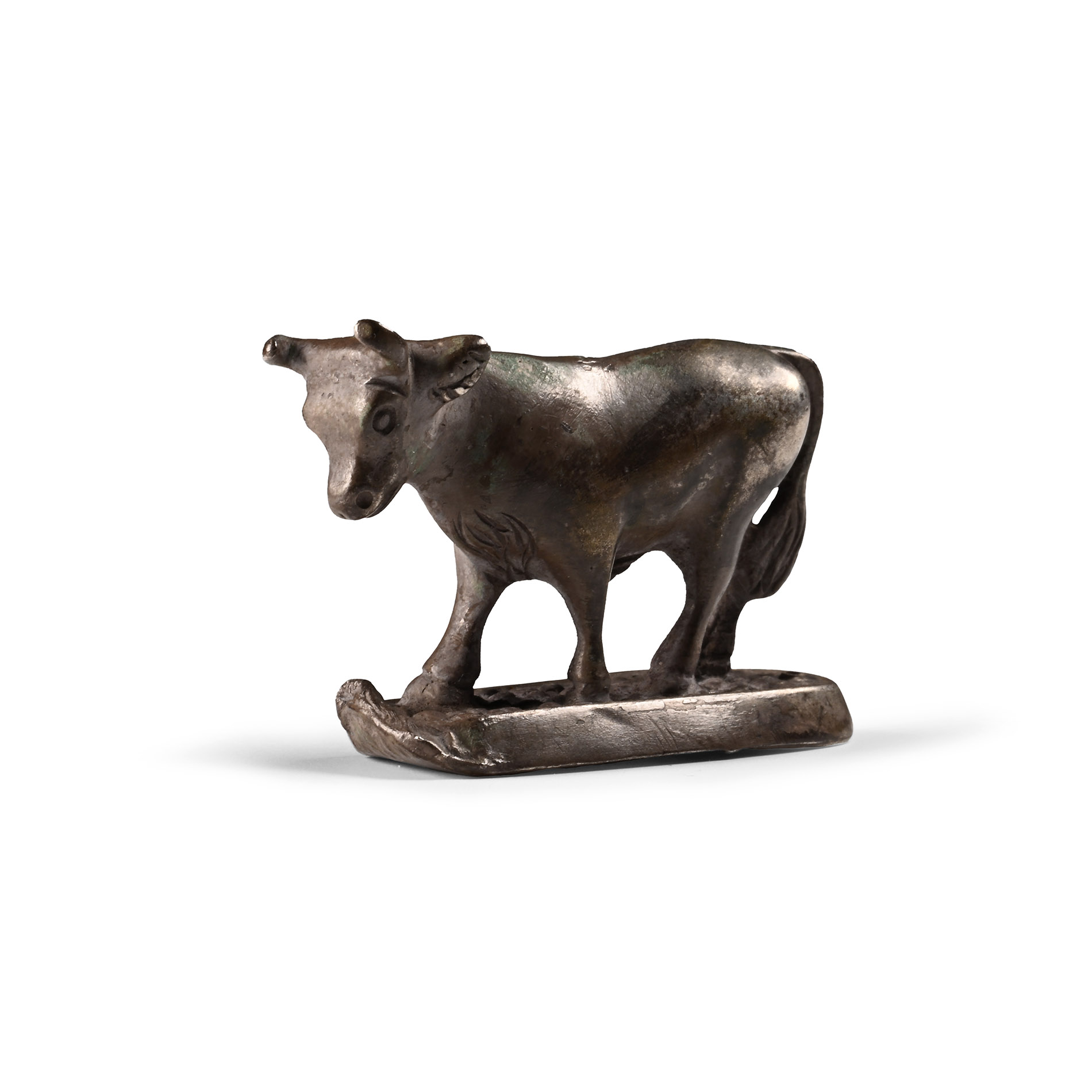
Roman Style Silver Bull Statuette
20TH CENTURY A.D.
1 1/2 in. (17.1 grams, 38 mm).
Standing advancing on a hollow-formed base. [No Reserve]
ProvenanceAcquired in the late 1960s-early 1970s.
Ex property of a gentleman.
Acquired on the UK art market in 2018.
Property of a Kent lady collector.
Cf. Rolland, H., Bronzes Antiques de Haute Provence, Paris, 1965, item 242, for type.
CONDITIONTimeLine Auctions follows a vetting process to ensure the authenticity and legality of all items, reinforcing our commitment to integrity and responsible trading. Each antiquity, antique, and coin lot undergoes thorough examination by a vetting committee of at least ten external specialists, professional trade association members, scientists, and archaeologists: Our Vetting Process
AUCTIONS:
TimeLine is a leading auction house specialising in antiquities, ancient art, collectables, natural history, coins, medals, and books. Our auctions offer museums, collectors, historians, and enthusiasts the opportunity to acquire unique and historically significant pieces.
-
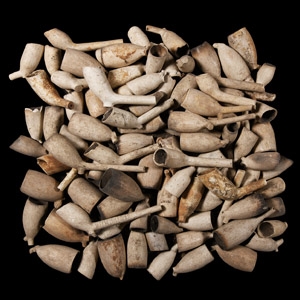
Post Medieval Pipe Bowl Group Including Armorials
Circa 18th century A.D.Sold for (Inc. bp): £33
And decorative designs, comprising bowls of various shapes and dates; together with a number of stems. 1.2 kg total, 3.9 - 12.6 cm
Acquired 1990s-early 2000s. East Anglian private collection. -
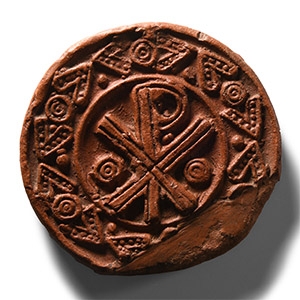
Redware Chi Rho Roundel
20th century A.D.Sold for (Inc. bp): £59
A reproduction with border of roundels and pelletted chevrons, tondo with Chi Rho christogram between roundels; edge repaired. 44 grams, 69 mm
Acquired 1960s-1990s. From the late Alison Barker collection, a retired London barrister.
The monogram depicted on the roundel is bearing the Greek letters X and P, i.e. the initials of Christ. This Chrismon was widely used in the Roman world after Constantine the Great. Roundels with the Chi Rho monogram, widely spread from Constantine I onwards, would have been in use especially among ecclesiastic hierarchy as a distinctive token of their status. -
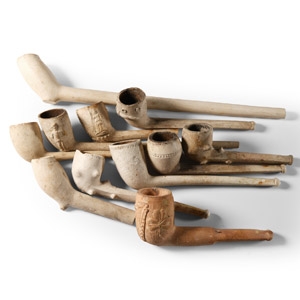
'Thames' Clay Pipe Collection
Circa 18th-19th century A.D.Sold for (Inc. bp): £59
Mixed group of white clay smoking pipes, some with decorative bowl. 218 grams total, 7-21 cm
Found on the Thames foreshore, London, UK, circa mid 1980s. Property of an Essex collector.
