
Loading, please wait...
LOT 1423
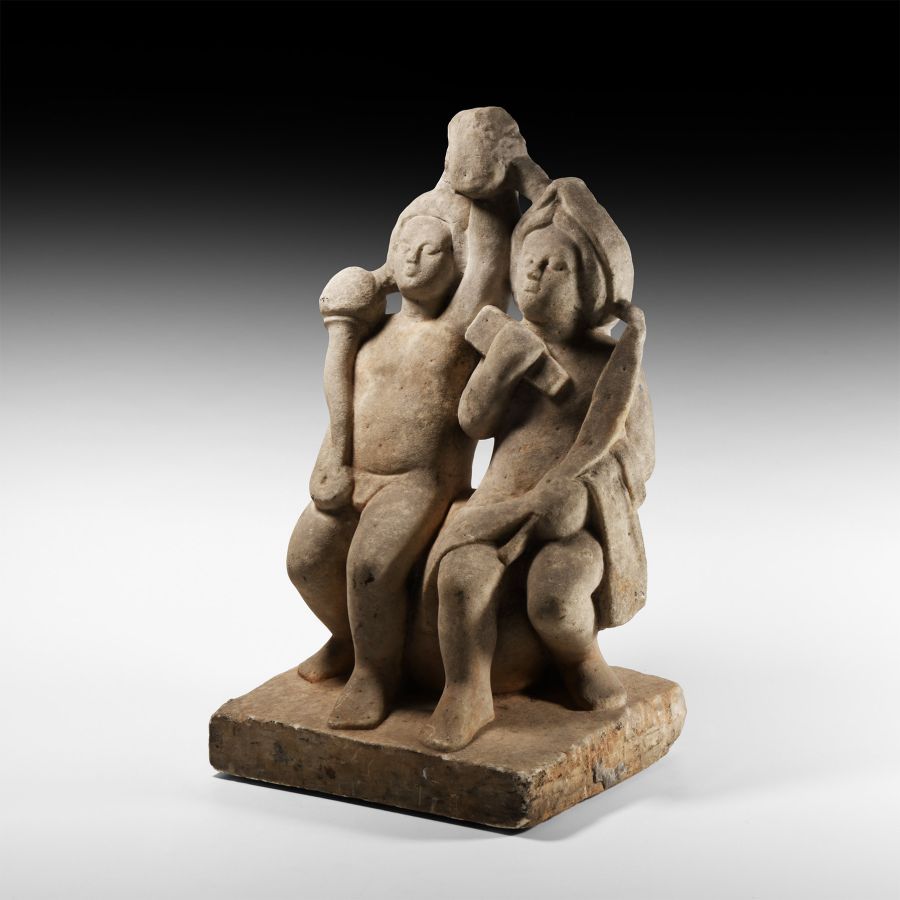
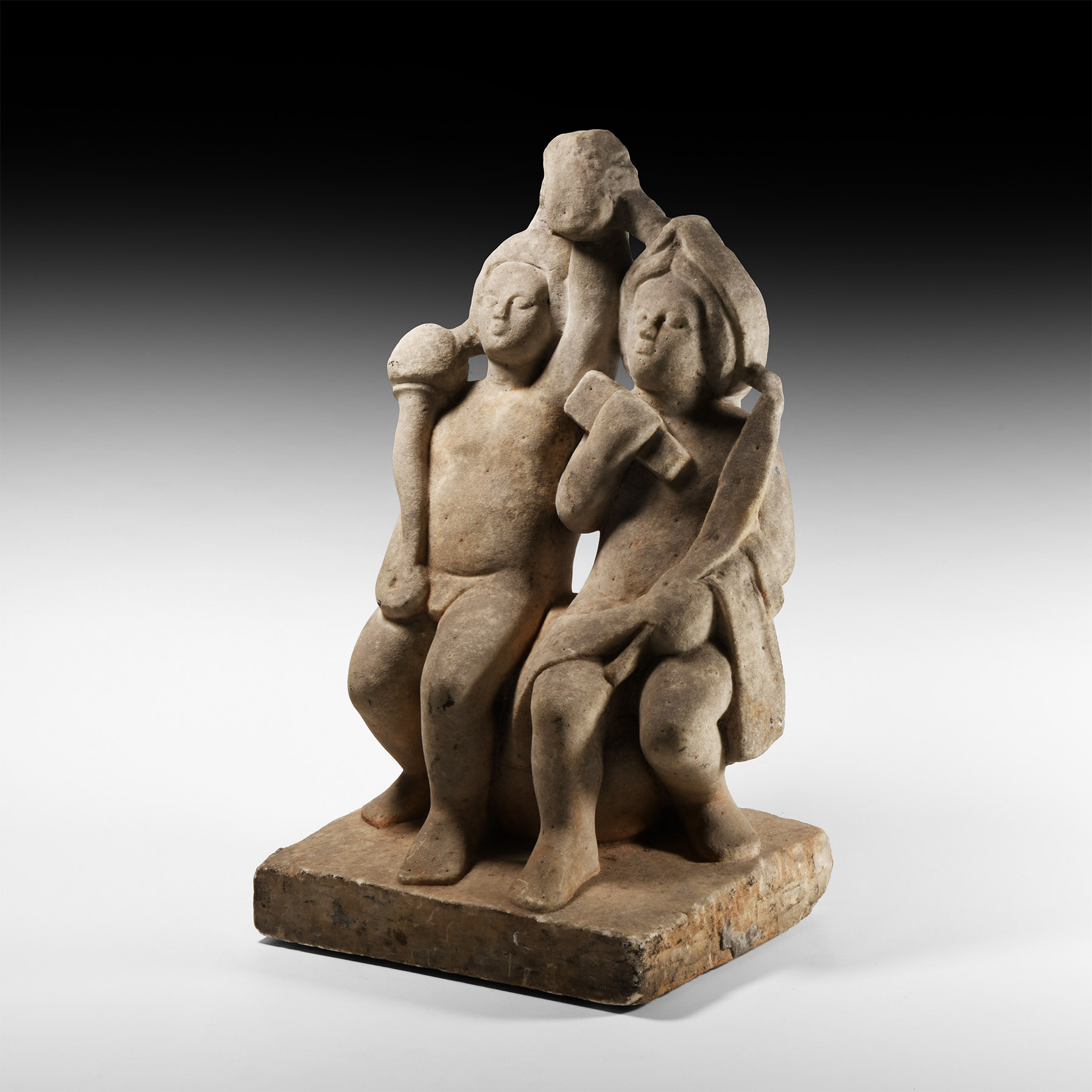
Roman Style Seated Putti
17TH-19TH CENTURY A.D. OR EARLIER
15 3/4 in. (17.6 kg, 40 cm high).
A carved stone scene depicting a male and female putti pair seated on a globe, one figure holding a cornucopia; on a rectangular base.
ProvenanceEnglish private collection.
CONDITIONTimeLine Auctions follows a vetting process to ensure the authenticity and legality of all items, reinforcing our commitment to integrity and responsible trading. Each antiquity, antique, and coin lot undergoes thorough examination by a vetting committee of at least ten external specialists, professional trade association members, scientists, and archaeologists: Our Vetting Process
AUCTIONS:
TimeLine is a leading auction house specialising in antiquities, ancient art, collectables, natural history, coins, medals, and books. Our auctions offer museums, collectors, historians, and enthusiasts the opportunity to acquire unique and historically significant pieces.
LOT 1423
Roman Style Seated Putti
Estimate £1,000 - 1,400€1,160 - 1,620 (for guidance only)$1,350 - 1,890 (for guidance only)
-
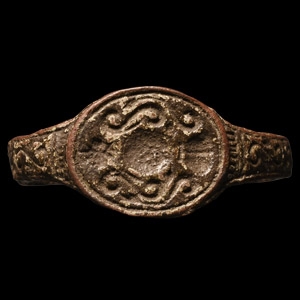
Post Medieval Armorial Ring
16th-17th century A.D.Sold for (Inc. bp): £59
A copper-alloy ring with armorial design to the oval bezel, the shoulders engraved with scrolls and other simple geometric forms; hoop repaired. 2.42 grams, 22.55 mm overall, 19.74 mm internal diameter (approximate size British R 1/2, USA 8 3/4, Europe 19.38, Japan 18)
Acquired circa 2010. From an old Essex, UK, collection. -
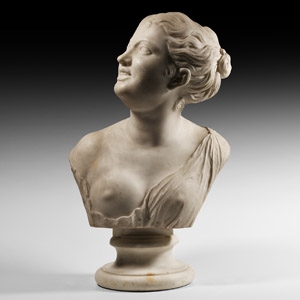
Post Medieval Marble Bust of a Female
Rome, 18th century A.D.Estimate: £3,000 - 4,000 (+bp*)
Opening Bid: £1,500
A naturalistic stone bust of a female figure modelled facing with her head turned right and upwards, her garment draped so as to reveal one of her breasts; on a tiered circular base. 24.4 kg total, 49.5 cm high including stand
English private collection. This lot has been checked against the Interpol Database of stolen works of art and is accompanied by search certificate number no.11682-199821 -
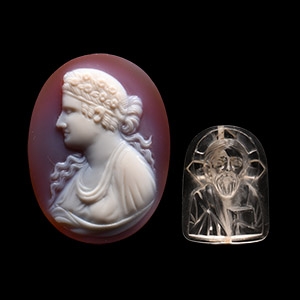
Gemstone Group
19th-20th century A.D.Estimate: £100 - 140 (+bp*)
Opening Bid: £50
A group of two carved gemstones: an ellipsoid plaque with reserved profile bust of a young female with elaborately dressed hair; a miniature rock crystal stele with bust of Christ holding a book to the obverse, and to the reverse a high-relief cross aiguisée visible behind the bust. 12.8 grams total, 24-39 mm
English private collection.
