
Loading, please wait...
LOT 1438
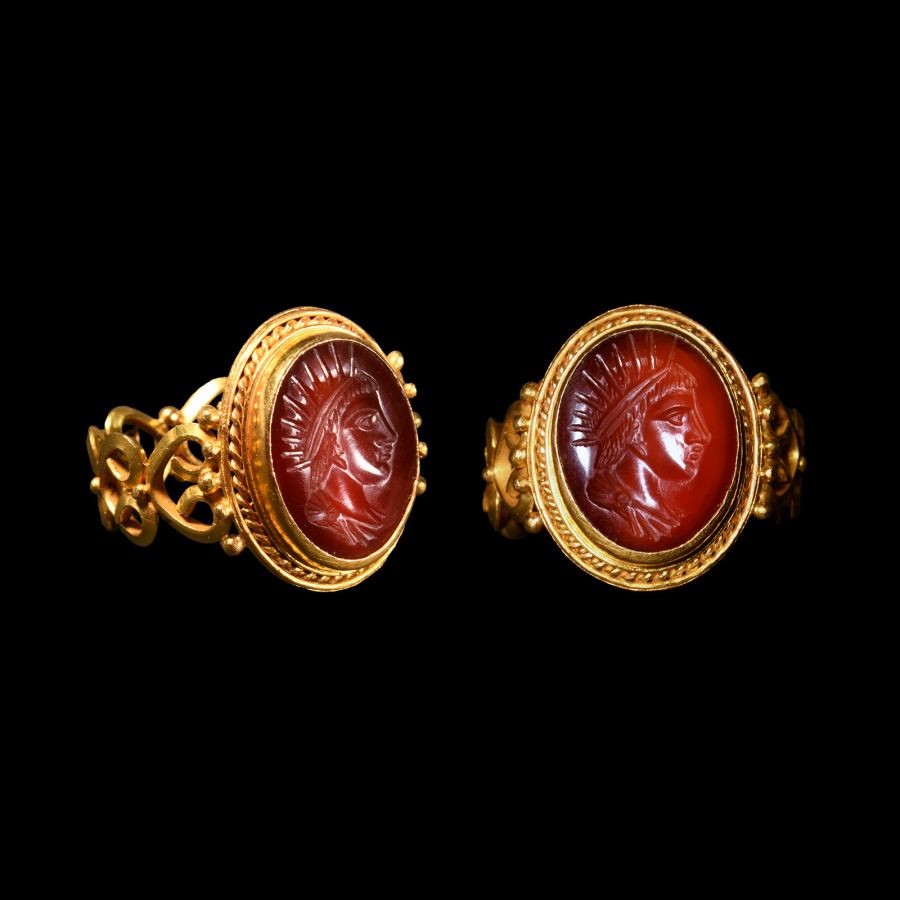
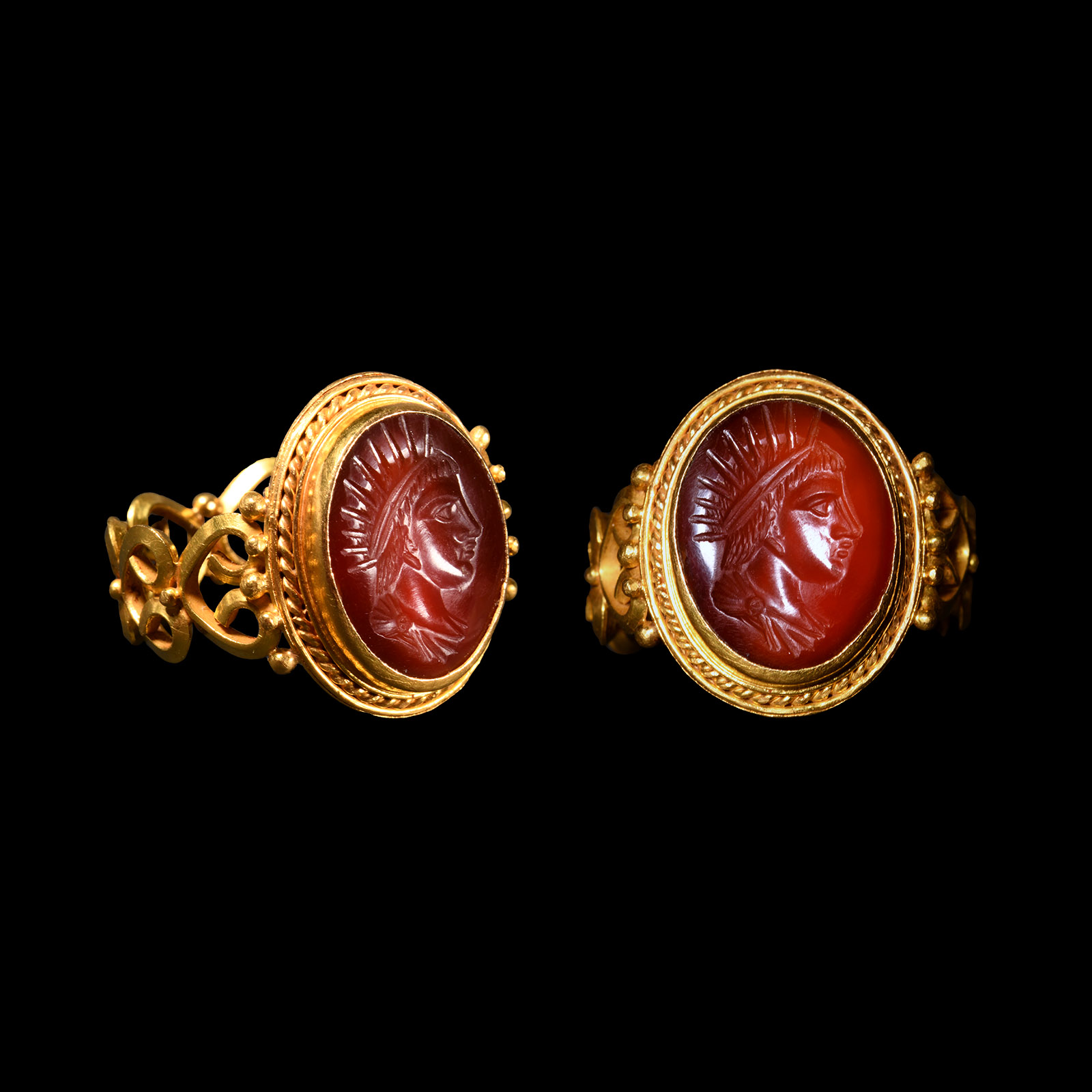
Roman Style Gold Ring with Portrait Gemstone
20TH CENTURY A.D.
1 in. (8.46 grams, 24.52 mm overall, 19.46 mm internal diameter (approximate size British P 1/2, USA 7 3/4, Europe 16.86, Japan 16)).
With an openwork hoop composed of heart-shaped volute scrolls; five pellets to each shoulder supporting an oval bezel with an applied ropework border; red carnelian intaglio engraved with a profile bust of a male wearing a radiate crown, possibly god Sol or a Roman emperor. [No Reserve]
ProvenanceFrom a family collection formed in the 1970s-1980s.
From the Inglismaldie Castle estate, Angus, Scotland, by descent to the current owner.
TimeLine Auctions follows a vetting process to ensure the authenticity and legality of all items, reinforcing our commitment to integrity and responsible trading. Each antiquity, antique, and coin lot undergoes thorough examination by a vetting committee of at least ten external specialists, professional trade association members, scientists, and archaeologists: Our Vetting Process
AUCTIONS:
TimeLine is a leading auction house specialising in antiquities, ancient art, collectables, natural history, coins, medals, and books. Our auctions offer museums, collectors, historians, and enthusiasts the opportunity to acquire unique and historically significant pieces.
-
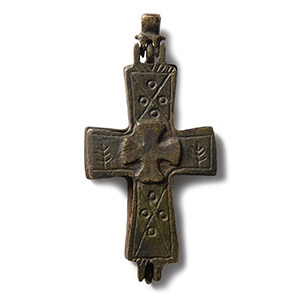
Byzantine Style Bronze Reliquary Cross Pendant
20th century A.D.Sold for (Inc. bp): £59
Hinged suspension loop, two recessed halves hollow to the reverse, low-relief figure in orans pose to the obverse, geometric ornament to the reverse. 126 grams, 10.5 cm
Acquired 1980-1990s. From the private collection of H.N., Milton Keynes, Bedfordshire, UK.
Usually the reliquary crosses or enkolpia, were composed of two separate halves, inside of which a relic of a saint was contained; this could have been a piece of cloth or a bone. The practice, in the Orthodox Church, is still in place today, sometimes by using reproductions of ancient styles, like our specimen, probably realised at the beginning of the last century. -
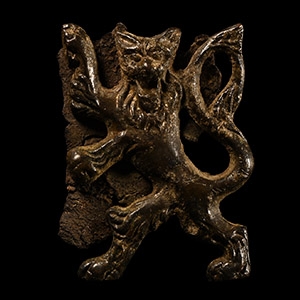
Post Medieval Bronze Rampant Guardant Lion Heraldic Mount
17th-18th century A.D.Sold for (Inc. bp): £59
Of large size and of good style with remains of leather on the reverse. 30.5 grams, 56 mm
Found near Wells, Somerset, UK. -
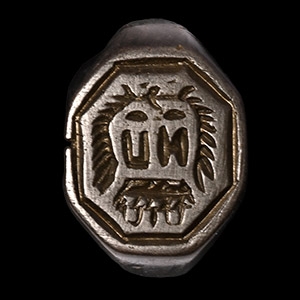
Tudor Period Tinned Bronze Signet Ring with Crowned Initials
16th-17th century A.D.Sold for (Inc. bp): £59
Octagonal plaque with rim, Greek initials 'HΠ' between fronds and crown above. 9.47 grams, 25.25 mm overall, 21.41 mm internal diameter (approximate size British Y, USA 12, Europe 27.51, Japan 26)
Private collection formed since the 1940s. UK art market. Property of an Essex gentleman.
