
Loading, please wait...
LOT 2103
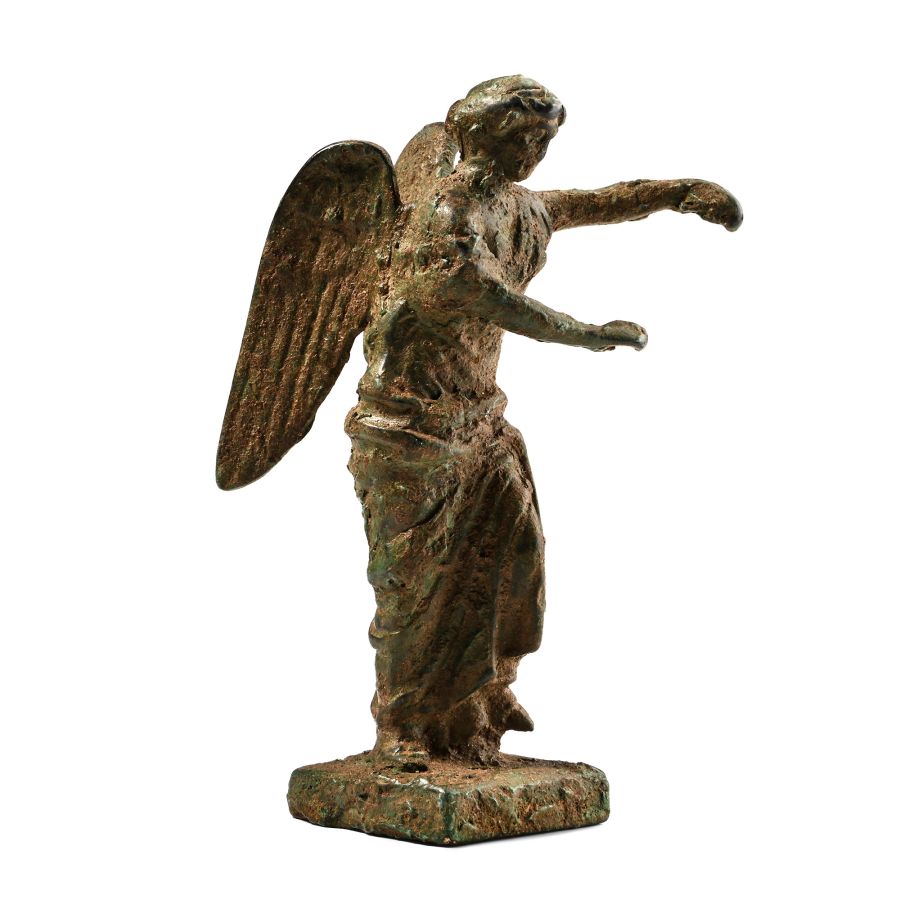
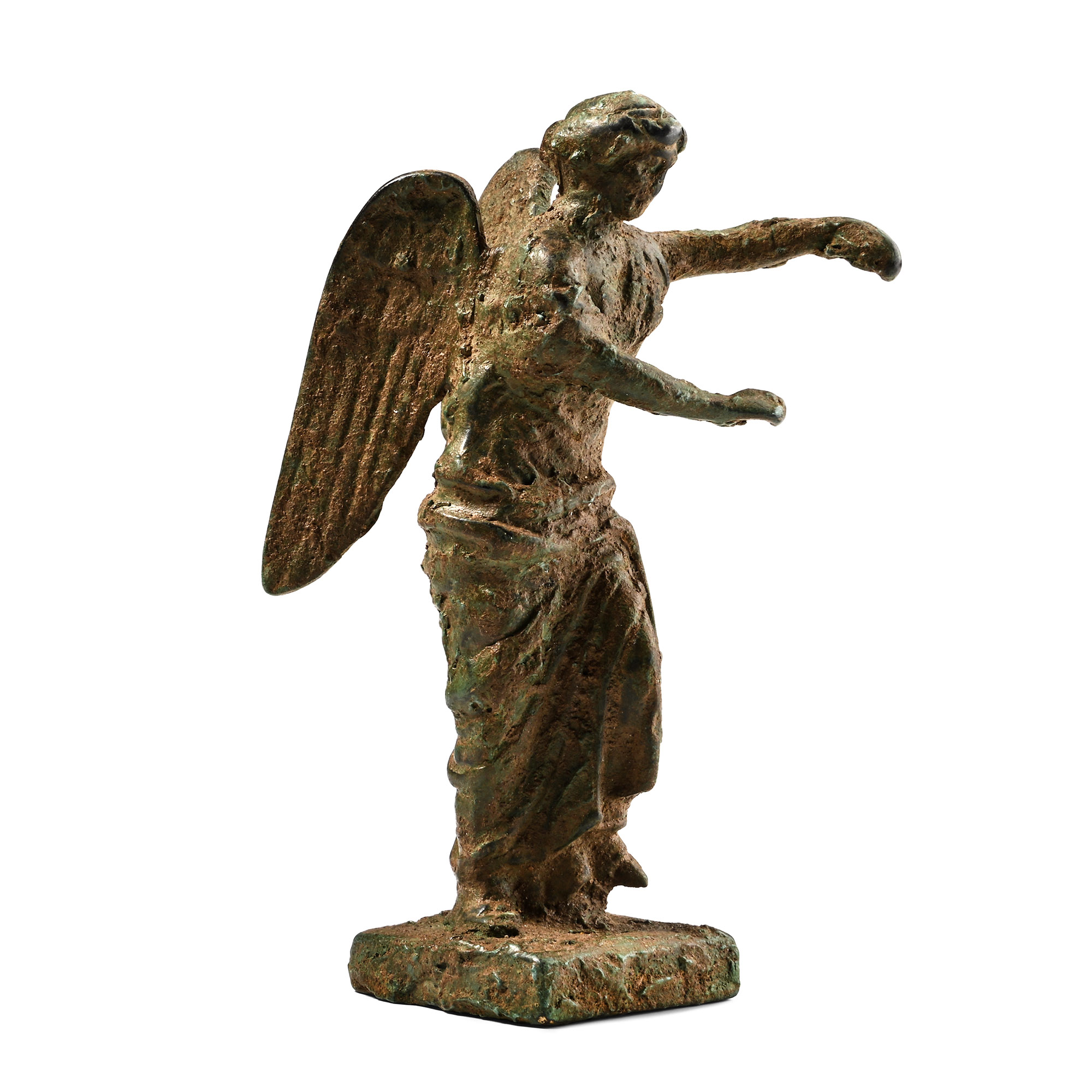
Roman Style Bronze Statuette of Victory
20TH CENTURY A.D.
4 5/8 in. (422 grams, 11.8 cm).
Modelled in the round figure of Victory standing on a rectangular base, with a palla draped from her shoulders and hips; wings spread to the rear (one tip absent); arms extended as if supporting a patera or similar item. [No Reserve]
ProvenancePreviously belonging to J Stewart, Mayfair, London, UK; acquired in the early 1980s.
Property of a Middlesex gentleman.
TimeLine Auctions follows a vetting process to ensure the authenticity and legality of all items, reinforcing our commitment to integrity and responsible trading. Each antiquity, antique, and coin lot undergoes thorough examination by a vetting committee of at least ten external specialists, professional trade association members, scientists, and archaeologists: Our Vetting Process
AUCTIONS:
TimeLine is a leading auction house specialising in antiquities, ancient art, collectables, natural history, coins, medals, and books. Our auctions offer museums, collectors, historians, and enthusiasts the opportunity to acquire unique and historically significant pieces.
-
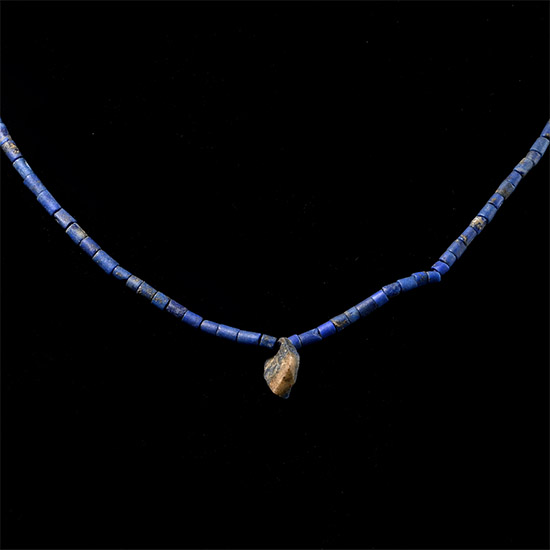
Bactrian Style Lapis Lazuli Bead Necklace String
20th century A.D.Sold for (Inc. bp): £26
Composed of tubular beads with a lozenge-shaped pendant, restrung. 5.8 grams, 37 cm
Acquired in the 1990s-early 2000s. Ex London, UK, collection. -
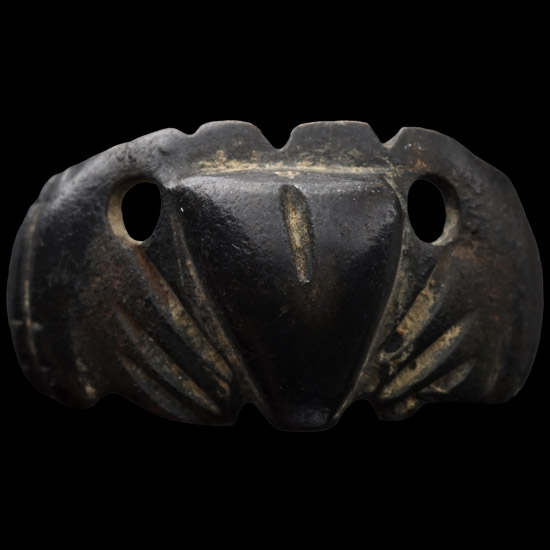
Stuart Period Bronze Hands Holding Heart Ring
17th century A.D.Sold for (Inc. bp): £111
Claddagh ring with a tapering hoop, the bezel with two hands holding a raised heart. 3.71 grams, 21.00 mm overall, 16.15 mm internal diameter (approximate size British K, USA 5 1/4, Europe 9.95, Japan 9)
From the private collection of Graham Slater (1927-2024), Cambridge, UK; formed 1980s-1990s. -
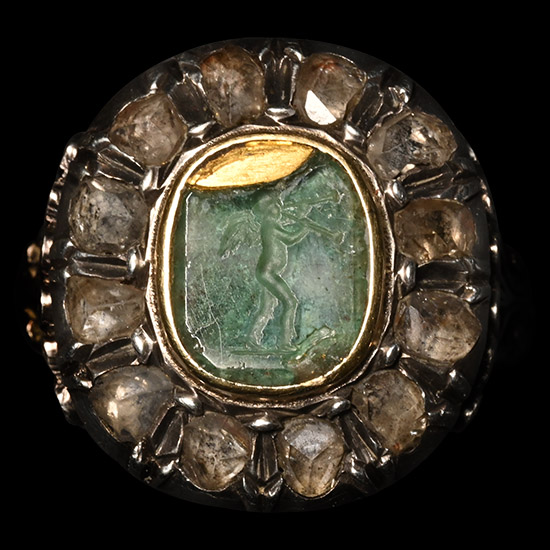
Diamond Locket Ring Set with Emerald Intaglio of Amor, God of Love, Playing Diaulos
Late 19th century A.D.Sold for (Inc. bp): £3,380
Comprising a segmented hoop with scroll-shaped shoulders, a hinged oval bezel with a secret compartment, and a bezel decorated with twelve cut diamonds around a central green stone intaglio of a winged Amor standing on a prora playing a diaulos. 5.82 grams, 23.60 mm overall, 16.50 mm internal diameter (approximate size British L 1/2, USA 6, Europe 11.87, Japan 11)
Private collection, Europe. Acquired on the English art market.
