
Loading, please wait...
LOT 2067
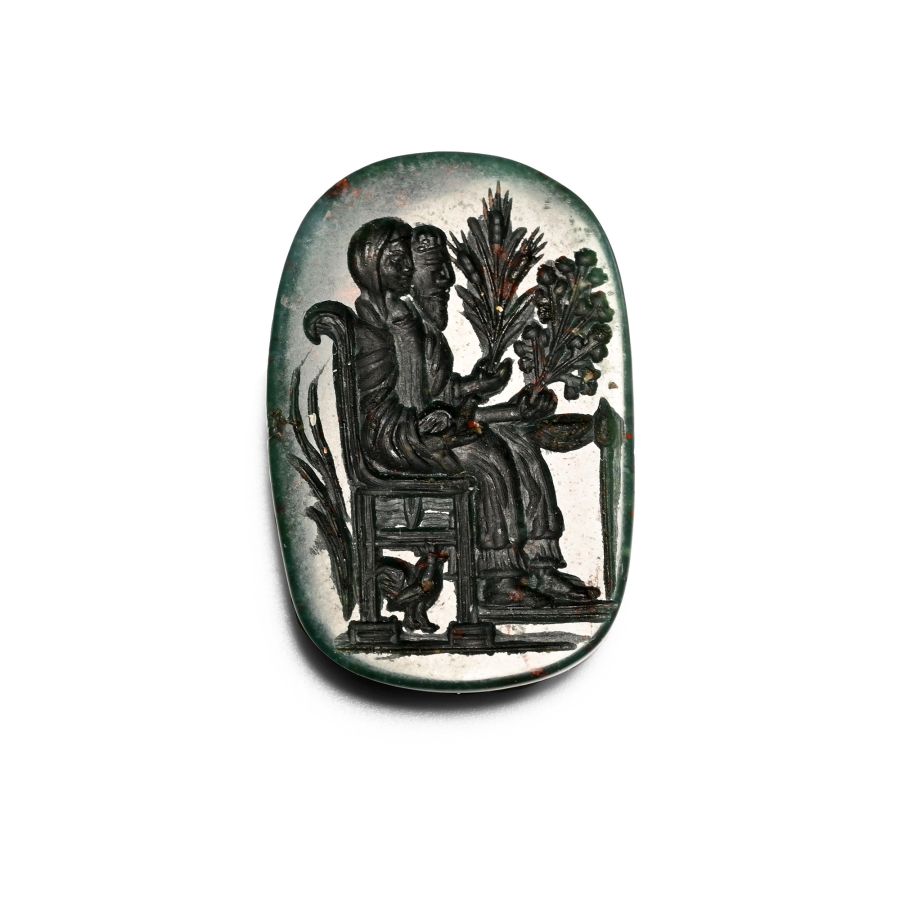
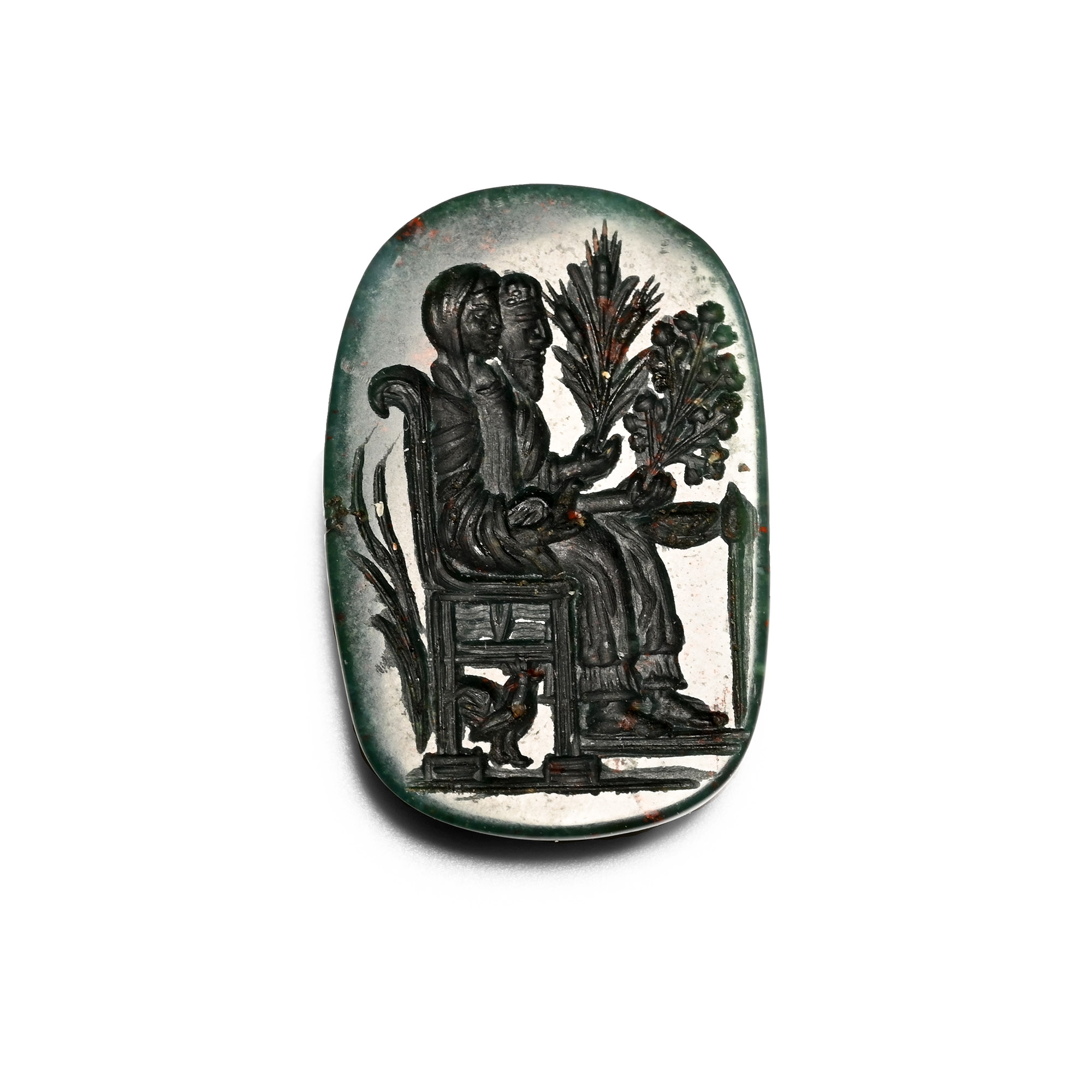
Roman Style Bloodstone Gemstone with Hades and Persephone
20TH CENTURY A.D.
3/4 in. (1.42 grams, 19 mm).
Ellipsoid in plan with chamfered edges; incuse design of a male and female figure seated on a throne, each holding a spray of flowers and foliage. [No Reserve]
ProvenanceFrom the collection of a London antiquarian, formed since the 1980s.
This lot is accompanied by an illustrated lot declaration signed by the Head of the Antiquities Department, Dr Raffaele D’Amato.
TimeLine Auctions follows a vetting process to ensure the authenticity and legality of all items, reinforcing our commitment to integrity and responsible trading. Each antiquity, antique, and coin lot undergoes thorough examination by a vetting committee of at least ten external specialists, professional trade association members, scientists, and archaeologists: Our Vetting Process
AUCTIONS:
TimeLine is a leading auction house specialising in antiquities, ancient art, collectables, natural history, coins, medals, and books. Our auctions offer museums, collectors, historians, and enthusiasts the opportunity to acquire unique and historically significant pieces.
LOT 2067
Roman Style Bloodstone Gemstone with Hades and Persephone
Sold for (Inc. bp): £130
-
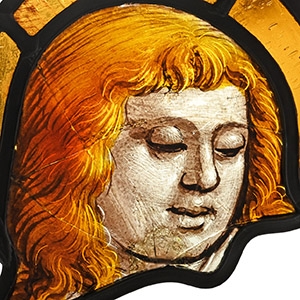
Renaissance Stained Glass Panel of the Head of Saint John
Northern France, circa 1490-1510 A.D.Sold for (Inc. bp): £1,690
Irregular glass panels in lead frame, painted image of the severed head of John the Baptist with nimbus. 149 grams, 14 cm
with De Baecque Vente Aux Encheres, 5 March 2022, no.57. This lot is accompanied by an illustrated lot declaration signed by the Head of the Antiquities Department, Dr Raffaele D’Amato. -

Renaissance Illuminated Souflet Panel with Saint Nicholas
Northern France, Champagne, Troyes, circa 1530 A.D.Sold for (Inc. bp): £2,600
Rectangular framed souflet reveal with inset stained glass depicting St. Nicholas standing wearing episcopal robes and mitre and holding a golden crozier beside a tub with three nude male infants; with integral backlight and 12V DC transformer and three-pin plug. 33.5 kg total, 100.5 x 80.5 cm including frame
Ex Neil Phillips Stained Glass Ltd, 2018. This lot has been checked against the Interpol Database of stolen works of art and is accompanied by a search certificate number no.12550-230648. This lot has been cleared against the Art Loss Register database, and is accompanied by an illustrated lot declaration signed by the Head of the Antiquities Department, Dr Raffaele D’Amato.
The scene depicts St. Nicholas and the three children whom he saved from death. Tradition has it that three boys were playing in a field during the harvest. They wandered into the city and were soon lost, so they stopped at a butcher's premises to ask for food and a place to sleep. The butcher murdered them and kept their remains salted in a barrel. Some time later, Saint Nicholas visited the premises and commanded the butcher to open the large salting tub where the bodies still lay. Saint Nicholas said “Rise up, children!” and thus he miraculously resurrected the boys. -
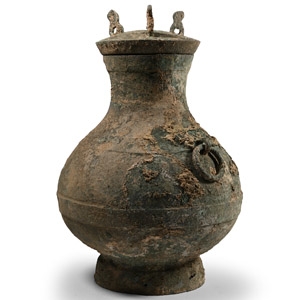
Archaic Chinese Style Bronze Vessel
20th century A.D.Sold for (Inc. bp): £169
With flared base, bulbous body and flared neck, circumferential band to the equator, taotie mask to each shoulder with suspension ring, domed lid with stylised dragons; after the antique. 3 kg, 35 cm high
Acquired from the London art market in the 2000s. This lot is accompanied by an illustrated lot declaration signed by the Head of the Antiquities Department, Dr Raffaele D’Amato.
