
Loading, please wait...
LOT 0641
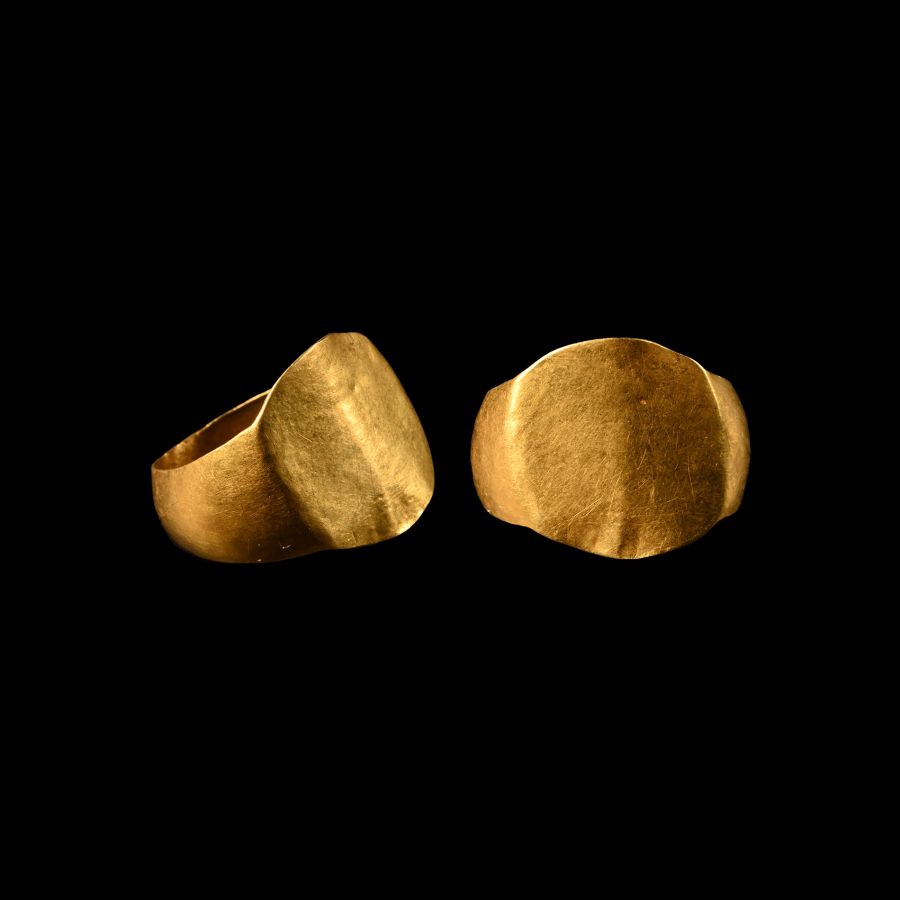
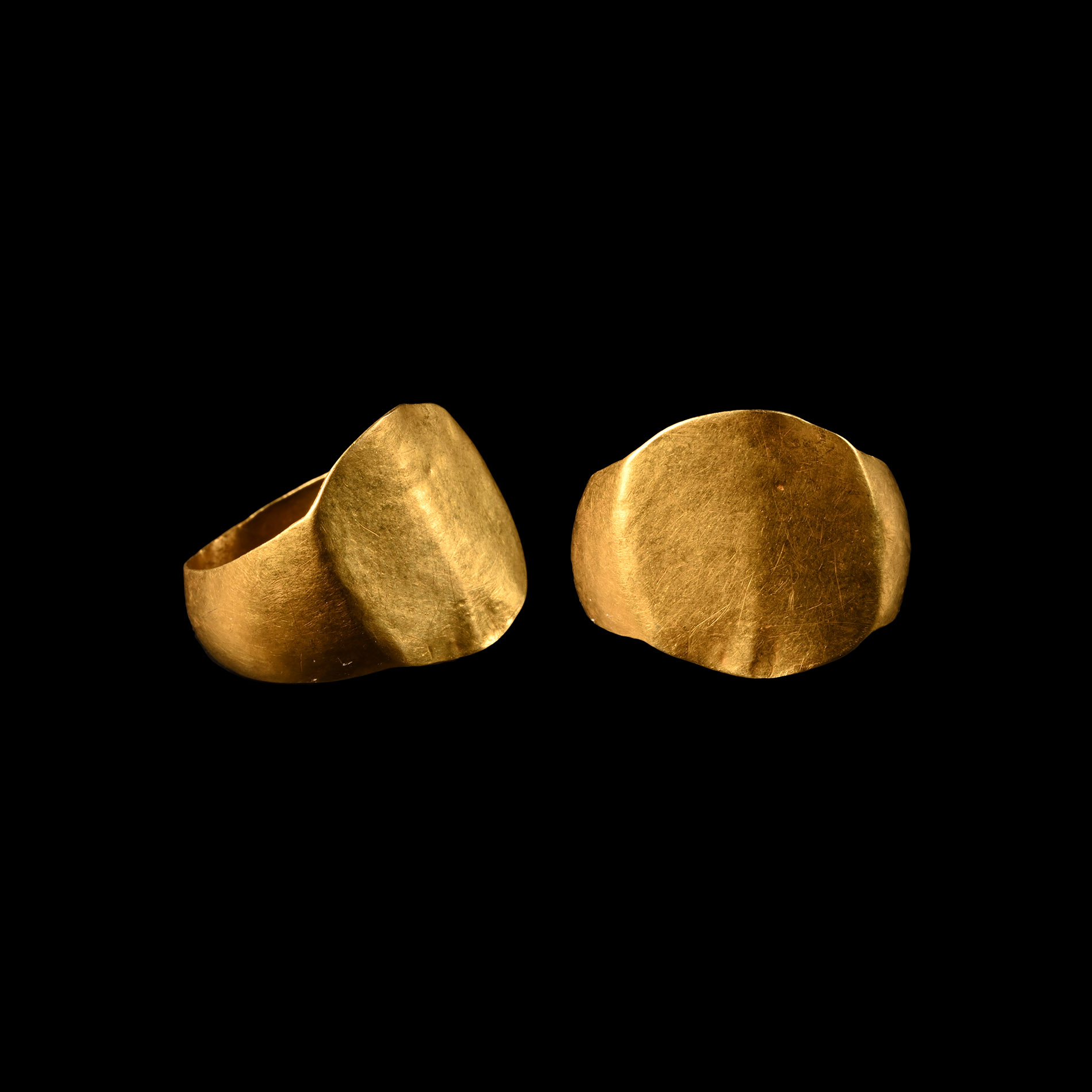
Roman Solid Gold Ring
CIRCA 3RD CENTURY A.D.
3/4 in. (3.06 grams, 19.11 mm overall, 16.10 mm internal diameter (approximate size British L, USA 5 3/4, Europe 11.24, Japan 10)).
With a flat-section, wide hoop and rounded bezel.
ProvenanceFrom a late Japanese specialist collector, 1970-2000s.
CONDITIONTimeLine Auctions follows a vetting process to ensure the authenticity and legality of all items, reinforcing our commitment to integrity and responsible trading. Each antiquity, antique, and coin lot undergoes thorough examination by a vetting committee of at least ten external specialists, professional trade association members, scientists, and archaeologists: Our Vetting Process
AUCTIONS:
TimeLine is a leading auction house specialising in antiquities, ancient art, collectables, natural history, coins, medals, and books. Our auctions offer museums, collectors, historians, and enthusiasts the opportunity to acquire unique and historically significant pieces.
-
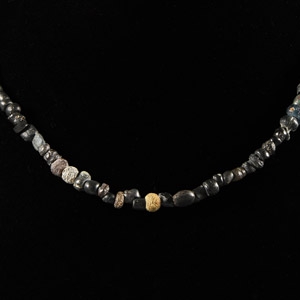
Roman Black Glass and Other Bead Necklace String
1st century A.D. and laterSold for (Inc. bp): £104
Comprising variously shaped beads; restrung. 12 grams, 40 cm long
UK gallery, early 2000s. -
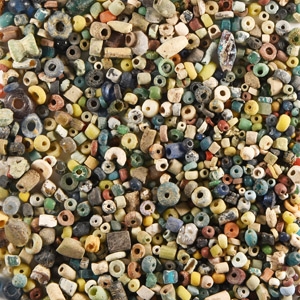
Roman and Other Glass and Stone Bead Group
1st millennium B.C. and laterSold for (Inc. bp): £234
Comprising a large quantity of beads, mainly oblate and cylindrical in form. 54.1 grams total, 1-10 mm
UK gallery, early 2000s. -
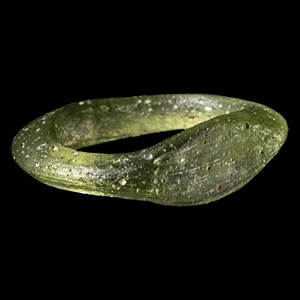
Roman Glass Ring with Bezel
1st-4th century A.D.Sold for (Inc. bp): £78
In light green translucent glass, the hoop widening at the base, lozenge-shaped flat bezel 1.39 grams, 21.56 mm overall, 14.96 mm internal diameter (approximate size British F, USA 2 3/4, Europe 3.67, Japan 3)
Property of a UK gentleman, acquired 1986. Property of an East Sussex, UK, gentleman. Accompanied by an old handwritten identification ticket.
