
Loading, please wait...
LOT 0108
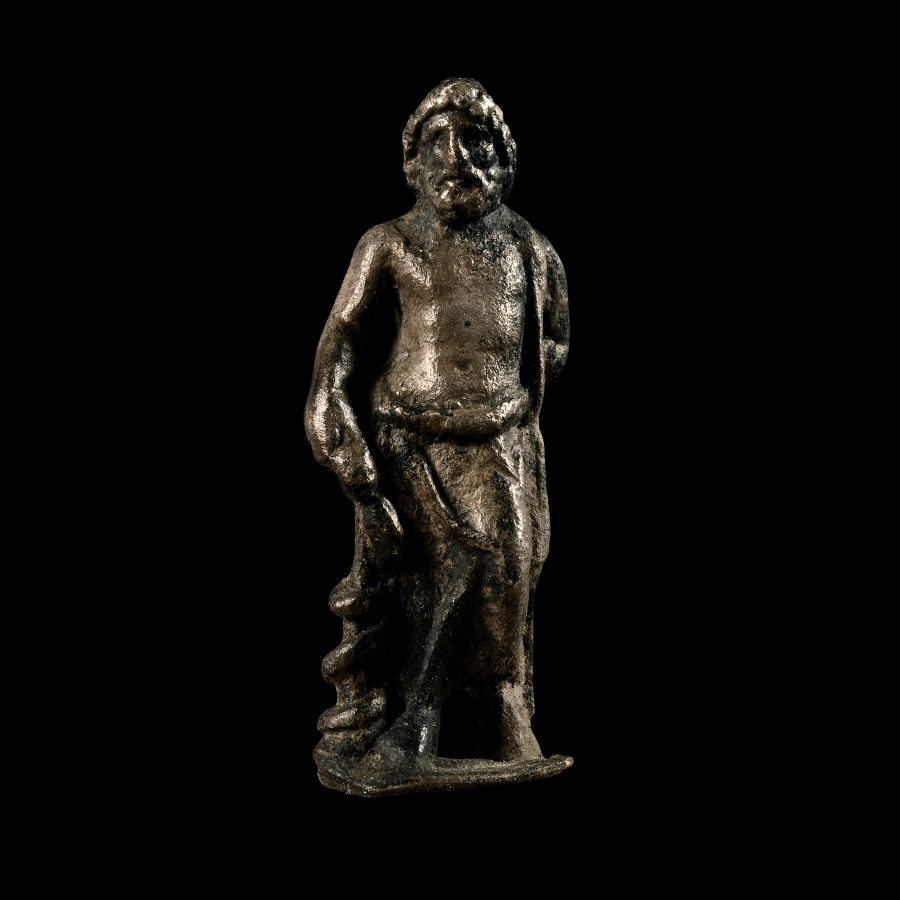
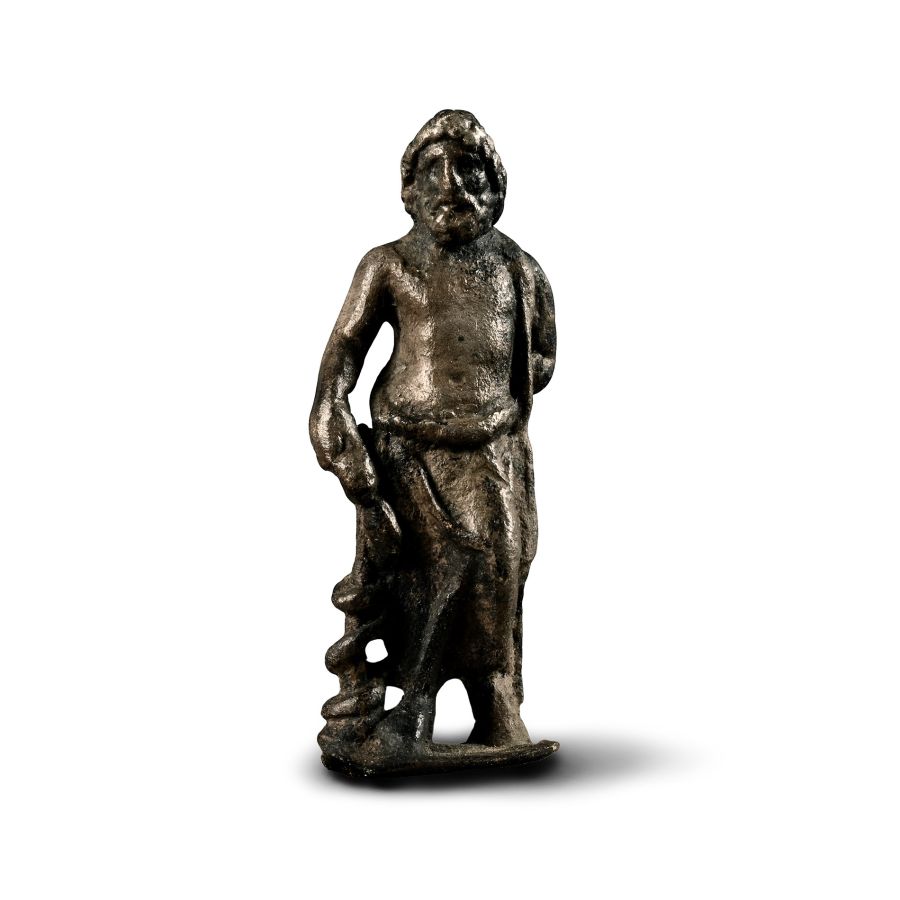
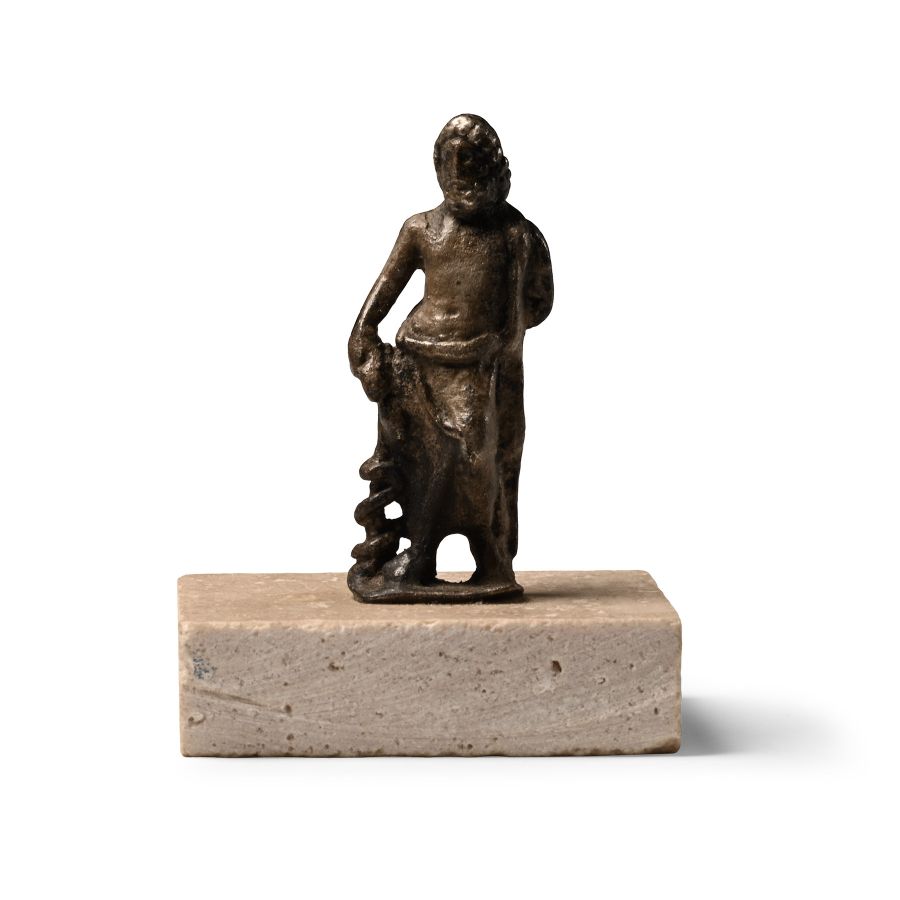
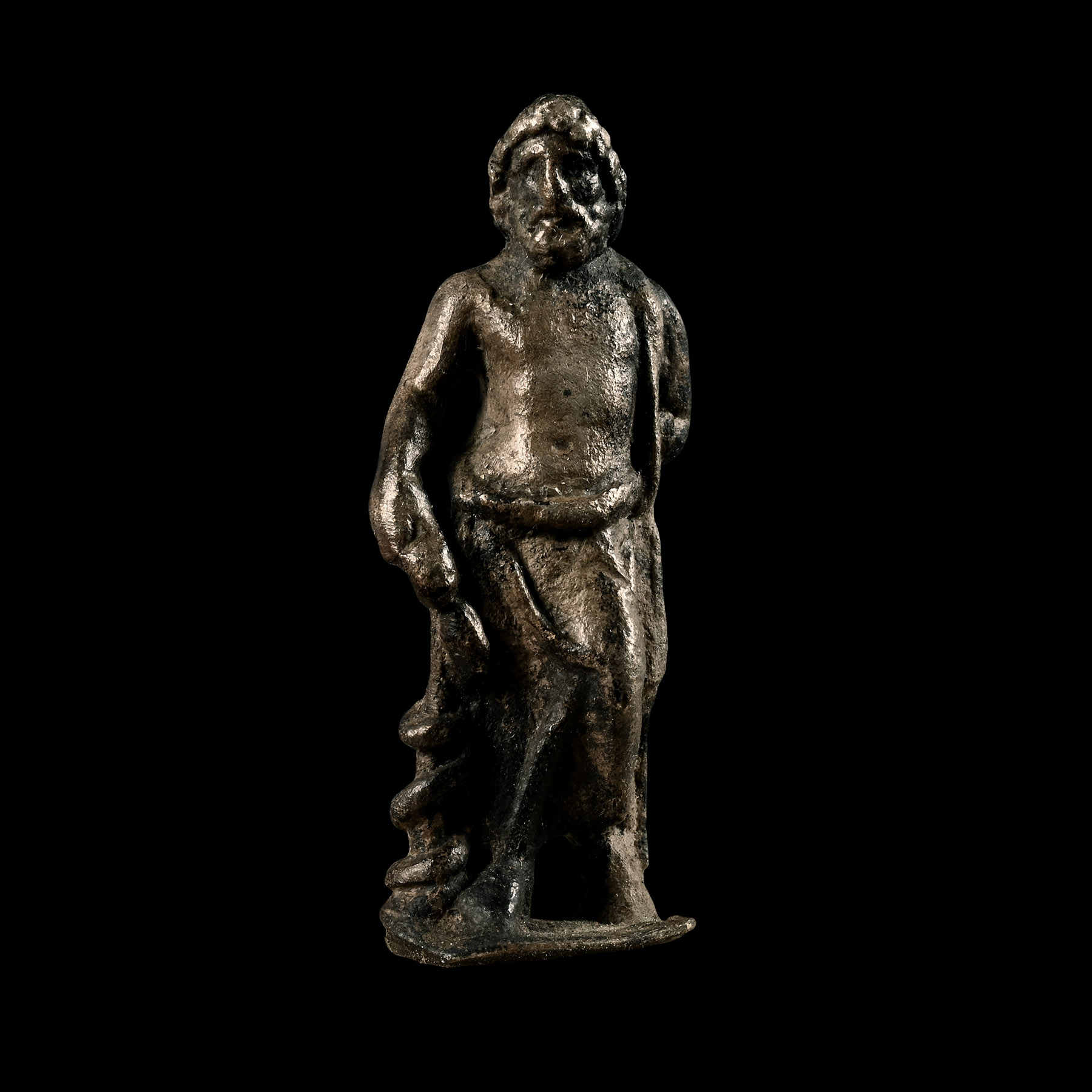
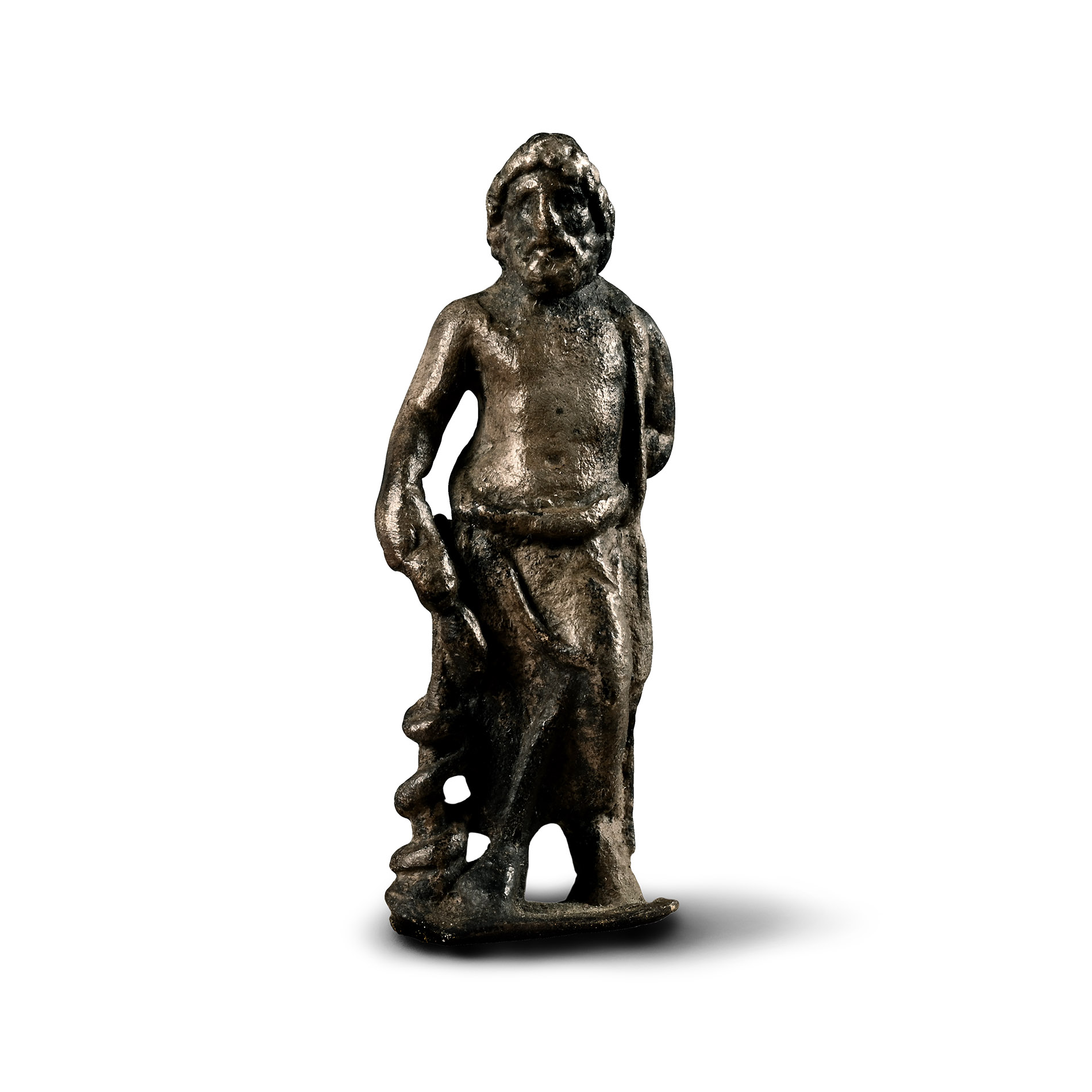
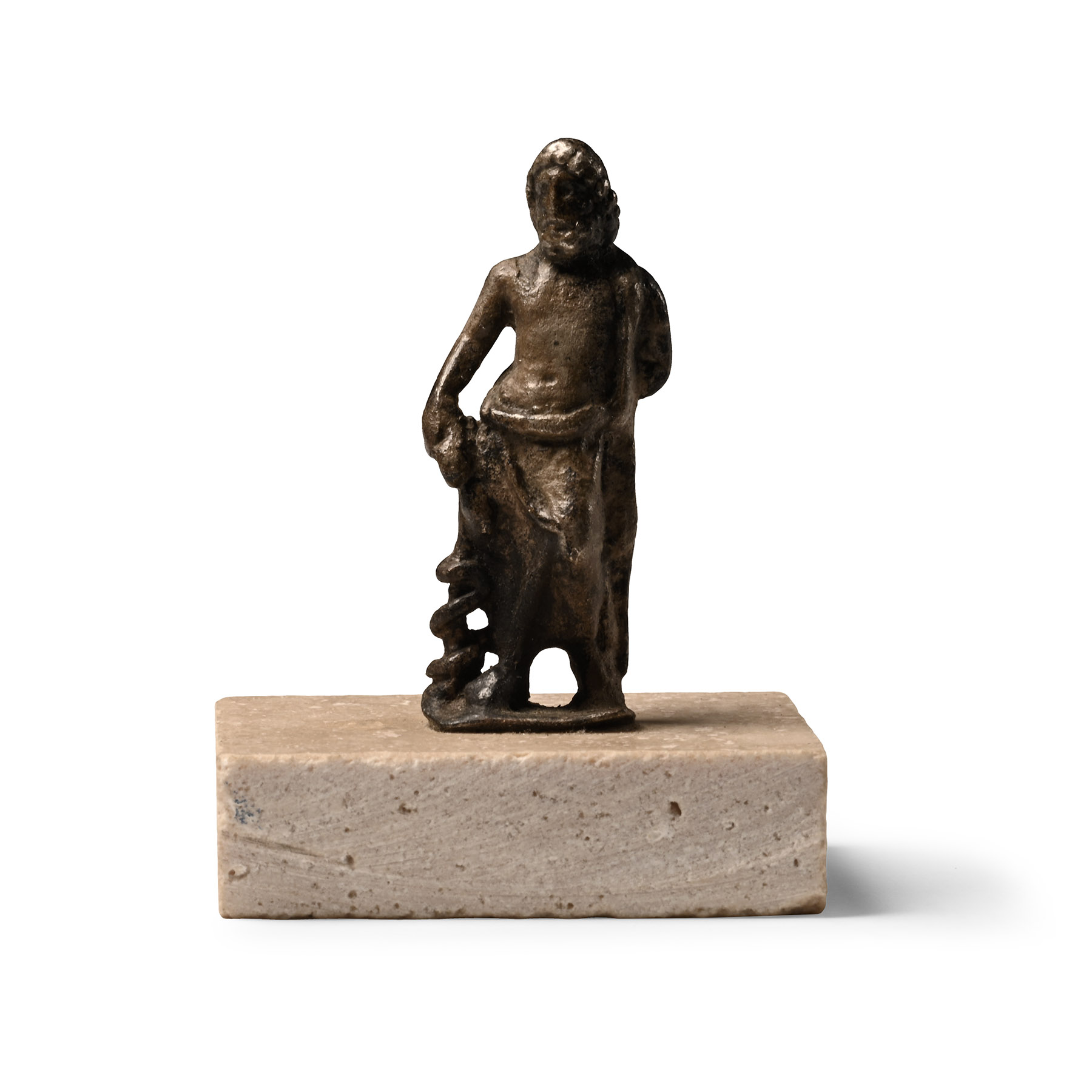
Roman Silver Statuette of Aesculapius God of Medicine and Healing
1ST-2ND CENTURY A.D.
2 1/8 in. (75 grams total, 55 mm including stand).
Standing wearing a loosely draped himation, with caduceus resting on the right hip; mounted on a custom-made stand. [No Reserve]
ProvenanceEx Ancient Art, North London, UK.
From a collection acquired on the UK art market from various auction houses and collections mostly before 2000.
From an important Cambridgeshire estate; thence by descent.
This lot is accompanied by an illustrated lot declaration signed by the Head of the Antiquities Department, Dr Raffaele D’Amato.
Cf. similar item in the British Museum, London, under accession no.1995,0702.1.
CONDITIONTimeLine Auctions follows a vetting process to ensure the authenticity and legality of all items, reinforcing our commitment to integrity and responsible trading. Each antiquity, antique, and coin lot undergoes thorough examination by a vetting committee of at least ten external specialists, professional trade association members, scientists, and archaeologists: Our Vetting Process
AUCTIONS:
TimeLine is a leading auction house specialising in antiquities, ancient art, collectables, natural history, coins, medals, and books. Our auctions offer museums, collectors, historians, and enthusiasts the opportunity to acquire unique and historically significant pieces.
LOT 0108
Roman Silver Statuette of Aesculapius God of Medicine and Healing
Sold for (Inc. bp): £494
-
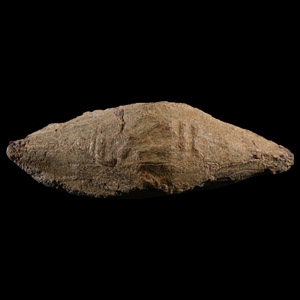
Roman Legion XIII 'Battle of Munda' Lead Slingshot
1st century B.C.Sold for (Inc. bp): £195
Fusiform with pointed ends, reserved 'LXIII' (LEGIO XIII = 13th Legion) legend. 55.7 grams, 51 mm
Acquired on the UK art market. Property of a gentleman collector. This lot is accompanied by an illustrated lot declaration signed by the Head of the Antiquities Department, Dr Raffaele D’Amato.
The shot (Völling type 1C) is marked with the abbreviated name of Legion XIII, and was probably used at the Battle of Monda (or Munda) against Julius Caesar, 17th March 45 B.C., or against the sons of Pompey, because both the generals (Pompey sons and Caesar) had in their army a Legio with the numeral XIII on that day. Interestingly, other glandes of the same typology from the same battlefield bear the name of Pompey, so that it is much possible that the glans belongs to the Legio XIII of Pompey, who was destroyed during the battle and whose survivors were massacred among the 22,000 defenders of Cordoba by the troops of Caesar (D'Amato, 2021, pp.421 and 424). The projectiles were made of different materials: lead (glandes) or in pottery or stone (lapides missiles). -
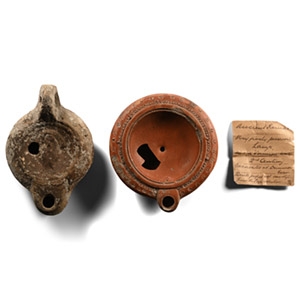
Roman Terracotta Oil Lamp Group
Circa 2nd century A.D.Sold for (Inc. bp): £130
Comprising: one in greyware with broad shoulder, facing mask to the discus; one squat with beaded rim to the discus, old collector's note 'Ancient Roman / very finely preserved lamp / in red "Samian" ware / 2nd century / Excavated at Dunnour Essex / Quite perfect + of rare style / From the Page collection'. 145 grams total, 9.9-10.7 cm
Believed to have been part of the Duke of Northumberland collection. From an early 20th century collection with reference no.67/6. From a Hampshire, UK, private collection. Accompanied be an early 20th century inked information packet. This lot is accompanied by an illustrated lot declaration signed by the Head of the Antiquities Department, Dr Raffaele D’Amato. -
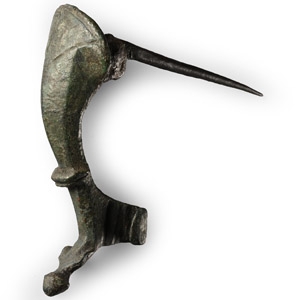
Roman Bronze Trumpet-Derivative Brooch
Circa 2nd century A.D.Sold for (Inc. bp): £33
Substantial D-section bow with flared upper section and fan-shaped head, ribbed ledge below the equator and scooped foot with lateral wings and ball finial; hooked catch to rear, hinged pin intact. 29.3 grams, 58 mm
Acquired on the UK art market before 2000. Property of an Essex, UK, gentleman. This lot is accompanied by an illustrated lot declaration signed by the Head of the Antiquities Department, Dr Raffaele D’Amato.
The brooch lacks the loop at the apex of the head which is characteristic of true trumpet brooches; its hinged pin did not require this feature which originates in the coiled spring mechanism.
