
Loading, please wait...
LOT 0948
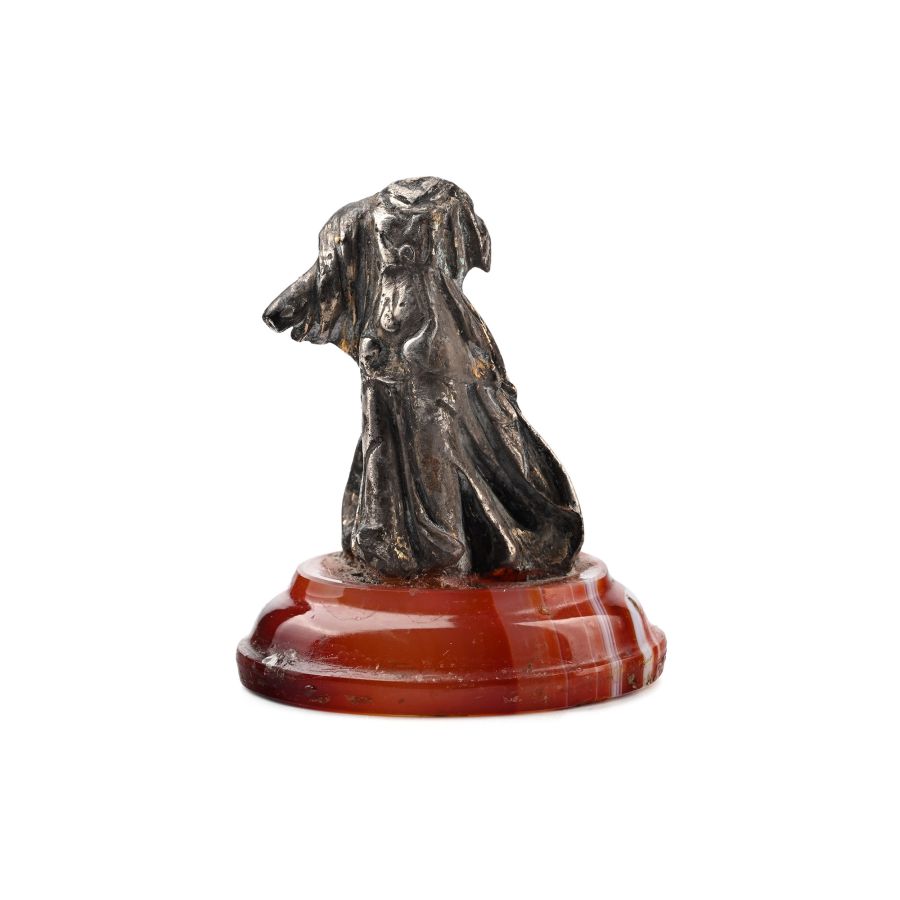
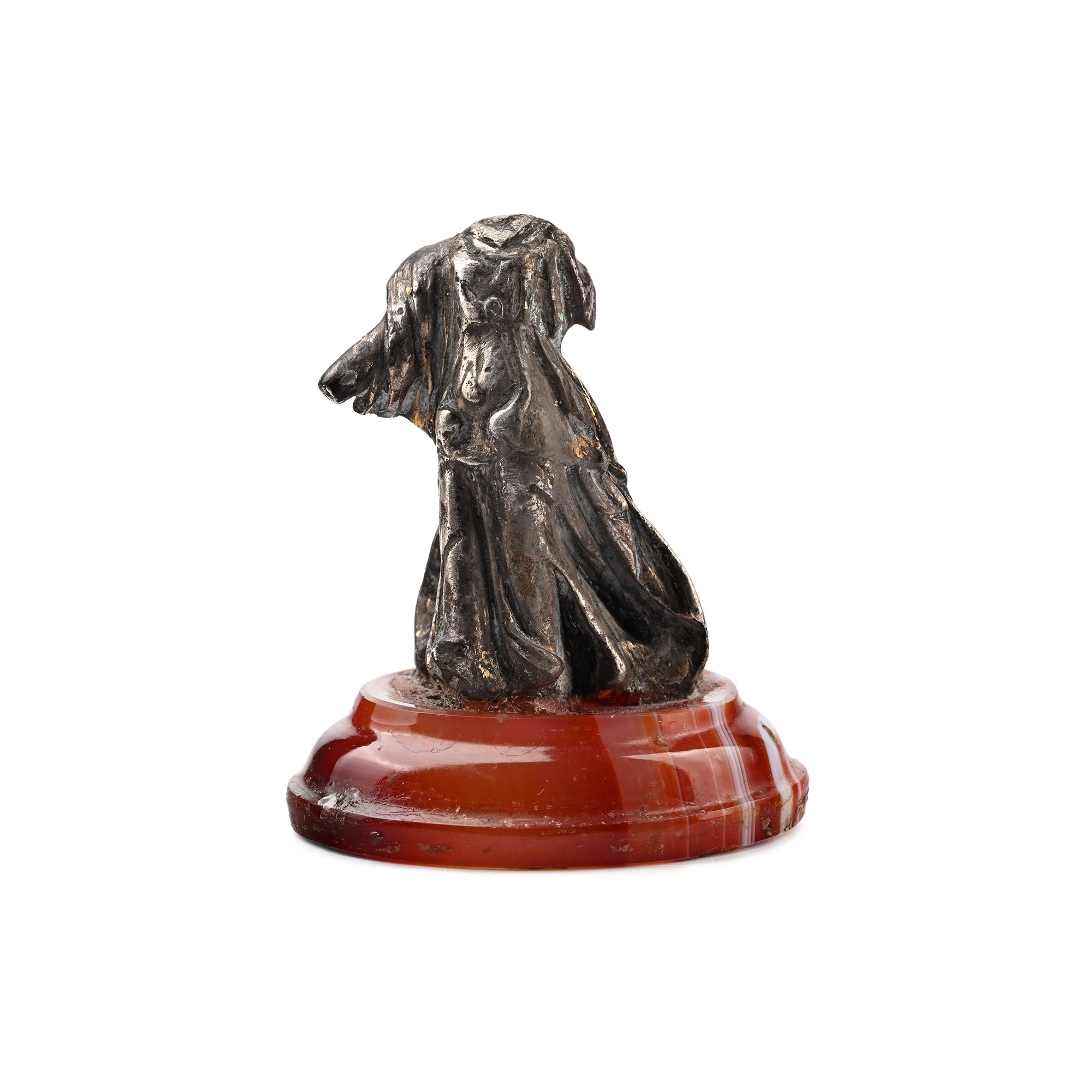
Roman Silver Statuette of a Goddess
1ST-4TH CENTURY A.D.
2 in. (56.7 grams, 49 mm).
Modelled in the round female figure striding forwards, robe billowing around her form; mounted on a stepped onyx base.
ProvenanceAcquired 1960s-1990s.
From the late Alison Barker collection, a retired London barrister.
Property of an Essex, UK, gentleman.
This lot is accompanied by an illustrated lot declaration signed by the Head of the Antiquities Department, Dr Raffaele D'Amato.
TimeLine Auctions follows a vetting process to ensure the authenticity and legality of all items, reinforcing our commitment to integrity and responsible trading. Each antiquity, antique, and coin lot undergoes thorough examination by a vetting committee of at least ten external specialists, professional trade association members, scientists, and archaeologists: Our Vetting Process
AUCTIONS:
TimeLine is a leading auction house specialising in antiquities, ancient art, collectables, natural history, coins, medals, and books. Our auctions offer museums, collectors, historians, and enthusiasts the opportunity to acquire unique and historically significant pieces.
-
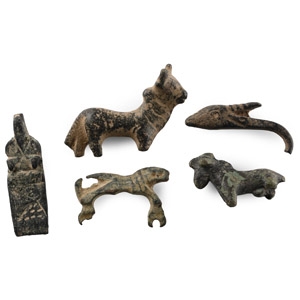
Roman Bronze Animal Artefact Group
1st-4th century A.D.Sold for (Inc. bp): £169
Including running hound, ox, horse and other types. 78 grams total, 32-47 mm
Ex German art market, 2000s. Acquired from an EU collector living in London. From the collection of a Surrey, UK, gentleman. This lot is accompanied by an illustrated lot declaration signed by the Head of the Antiquities Department, Dr Raffaele D'Amato. -
.jpg)
Roman Cobalt Blue Mould-Blown Glass Juglet
4th-5th century A.D.Estimate: £800 - 1,000 (+bp*)
Opening Bid: £400
With bands of impressed triangle motifs forming a reticulation to the upper body, pinched trefoil mouth and strap handle to rear. 110 grams, 10.2 cm
Acquired on the European art market in the early 2000s. with Galerie Rhéa, Zurich, Switzerland. This lot is accompanied by an illustrated lot declaration signed by the Head of the Antiquities Department, Dr Raffaele D'Amato. -
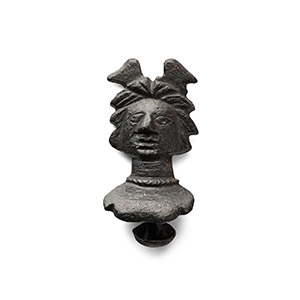
Roman Bronze Mercury Mount
1st-4th century A.D.Sold for (Inc. bp): £143
Bust of Mercury on stud with beaded band to the throat, winged diadem. 10.5 grams, 34 mm
Ex German art market, 2000s. Acquired from an EU collector living in London. From the collection of a Surrey, UK, gentleman. This lot is accompanied by an illustrated lot declaration signed by the Head of the Antiquities Department, Dr Raffaele D'Amato.
