
Loading, please wait...


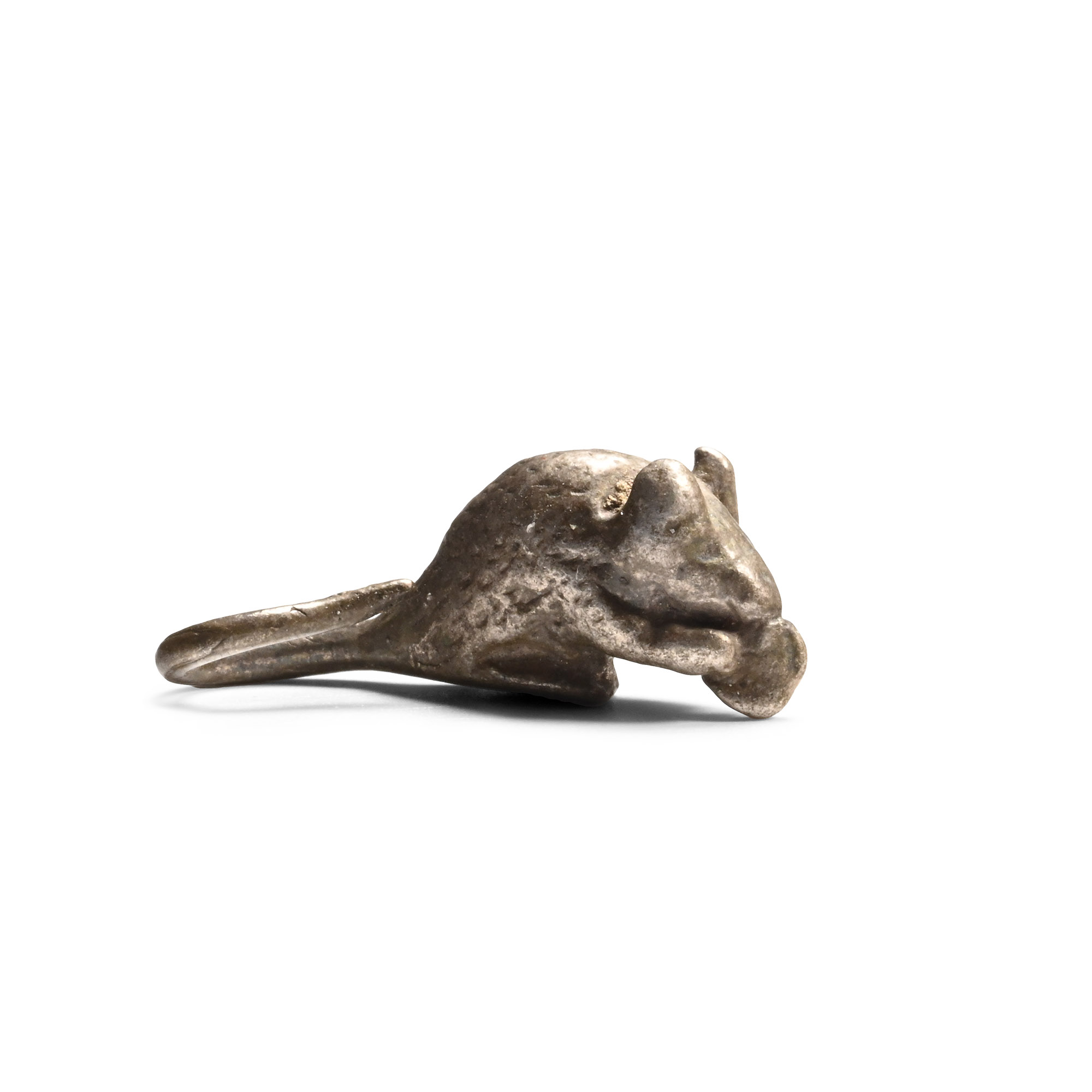
LOT 0636
Roman Silver Mouse Nibbling a Nut
1ST-4TH CENTURY A.D.
7/8 in. (3.45 grams, 22 mm).
Modelled in the round, with disc (nut or biscuit?) held in the forepaws. [No Reserve]
ProvenancePrivate collection, Arundel, West Sussex, UK, 1980s.
This lot is accompanied by an illustrated lot declaration signed by the Head of the Antiquities Department, Dr Raffaele D’Amato.
Cf. Durham, E., Metal Figurines in Roman Britain, vol. 2, Reading, 2010, item 293, for type.
CONDITIONTimeLine Auctions follows a vetting process to ensure the authenticity and legality of all items, reinforcing our commitment to integrity and responsible trading. Each antiquity, antique, and coin lot undergoes thorough examination by a vetting committee of at least ten external specialists, professional trade association members, scientists, and archaeologists: Our Vetting Process
AUCTIONS:
TimeLine is a leading auction house specialising in antiquities, ancient art, collectables, natural history, coins, medals, and books. Our auctions offer museums, collectors, historians, and enthusiasts the opportunity to acquire unique and historically significant pieces.
-
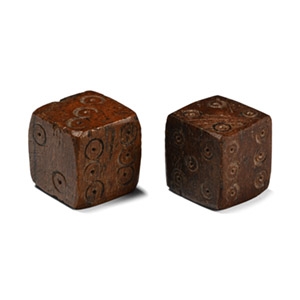
Roman Bone Dice Pair
1st-4th century A.D.Sold for (Inc. bp): £260
Each cuboid with ring-and-dot markings disposed 1:6, 2:5, 3:4. 8.16 grams total, 13.3-13.5 mm
Ex German art market, 2000s. Acquired from an EU collector living in London. From the collection of Surrey, UK, gentleman. This lot is accompanied by an illustrated lot declaration signed by the Head of the Antiquities Department, Dr Raffaele D’Amato. -
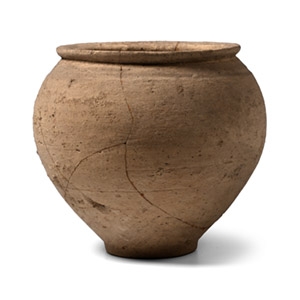
Romano-British Creamware Vase from Nene Valley
2nd-3rd century A.D.Sold for (Inc. bp): £390
Bulbous in profile with narrow base and sharply everted rim to the mouth; repaired. 77 grams, 86 mm
Found Nene Valley, Peterborough, UK. From an old English collection. Acquired from Helios Gallery in 2011. Ian Wilkinson collection, Nottinghamshire, UK, formed since 1985. This lot is accompanied by an illustrated lot declaration signed by the Head of the Antiquities Department, Dr Raffaele D’Amato. -
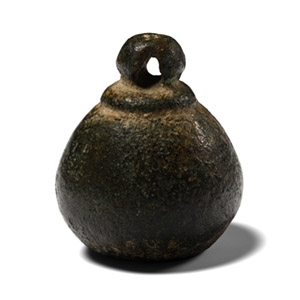
Roman Bronze Weight with Suspension Loop
1st-2nd century A.D.Sold for (Inc. bp): £65
With flat bottom, rounded conical body, offset shoulder, and globular attachment with hole for string. 77.6 grams, 31 mm
with Hengst, Frankfurt A.M., circa 1920-1930. Accompanied by a copy of an Art Loss Register certificate no.S00072883. This lot is accompanied by an illustrated lot declaration signed by the Head of the Antiquities Department, Dr Raffaele D’Amato.
