
Loading, please wait...
LOT 0638
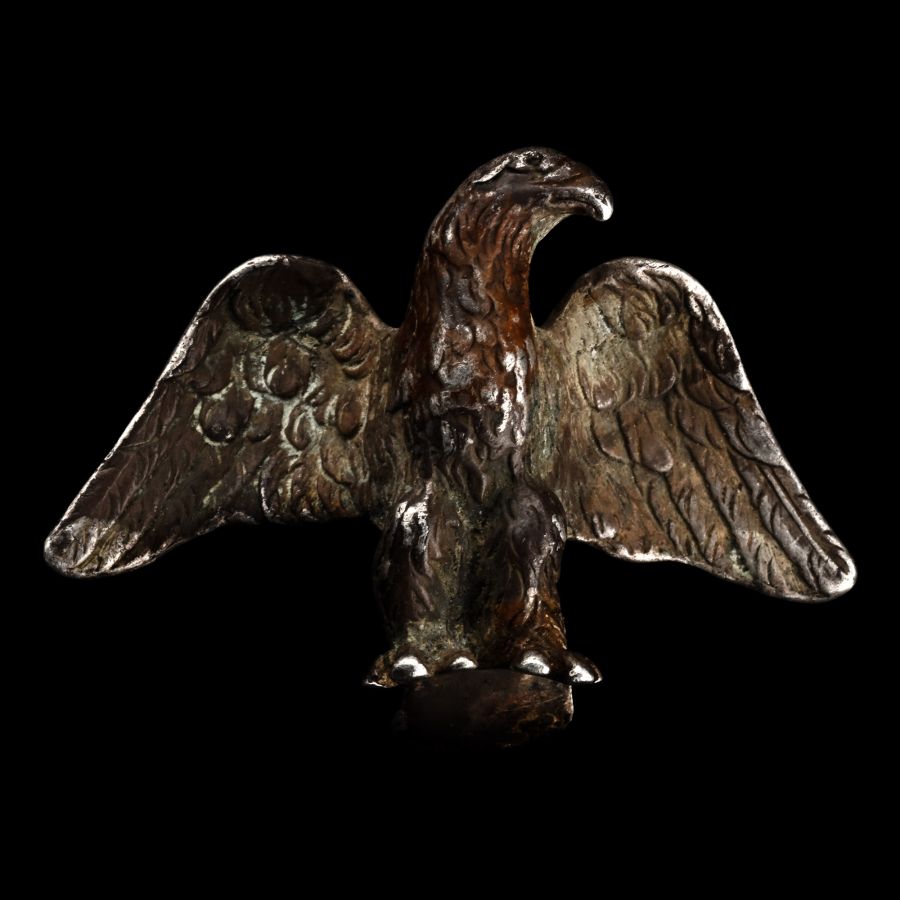
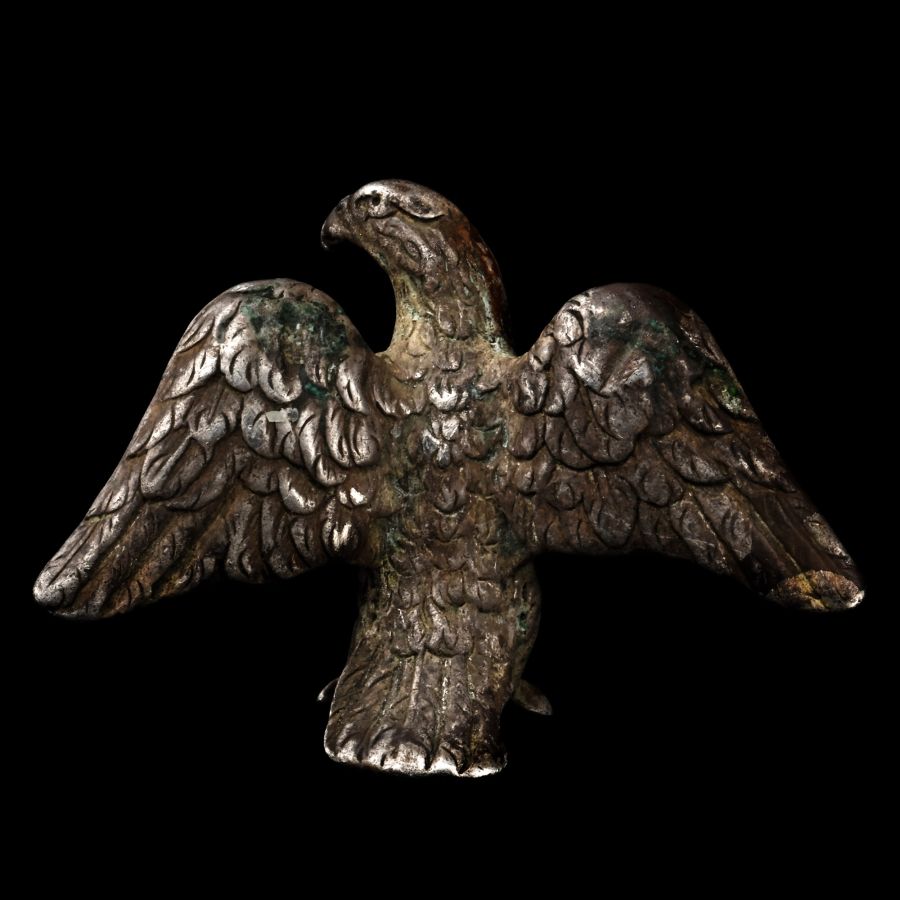
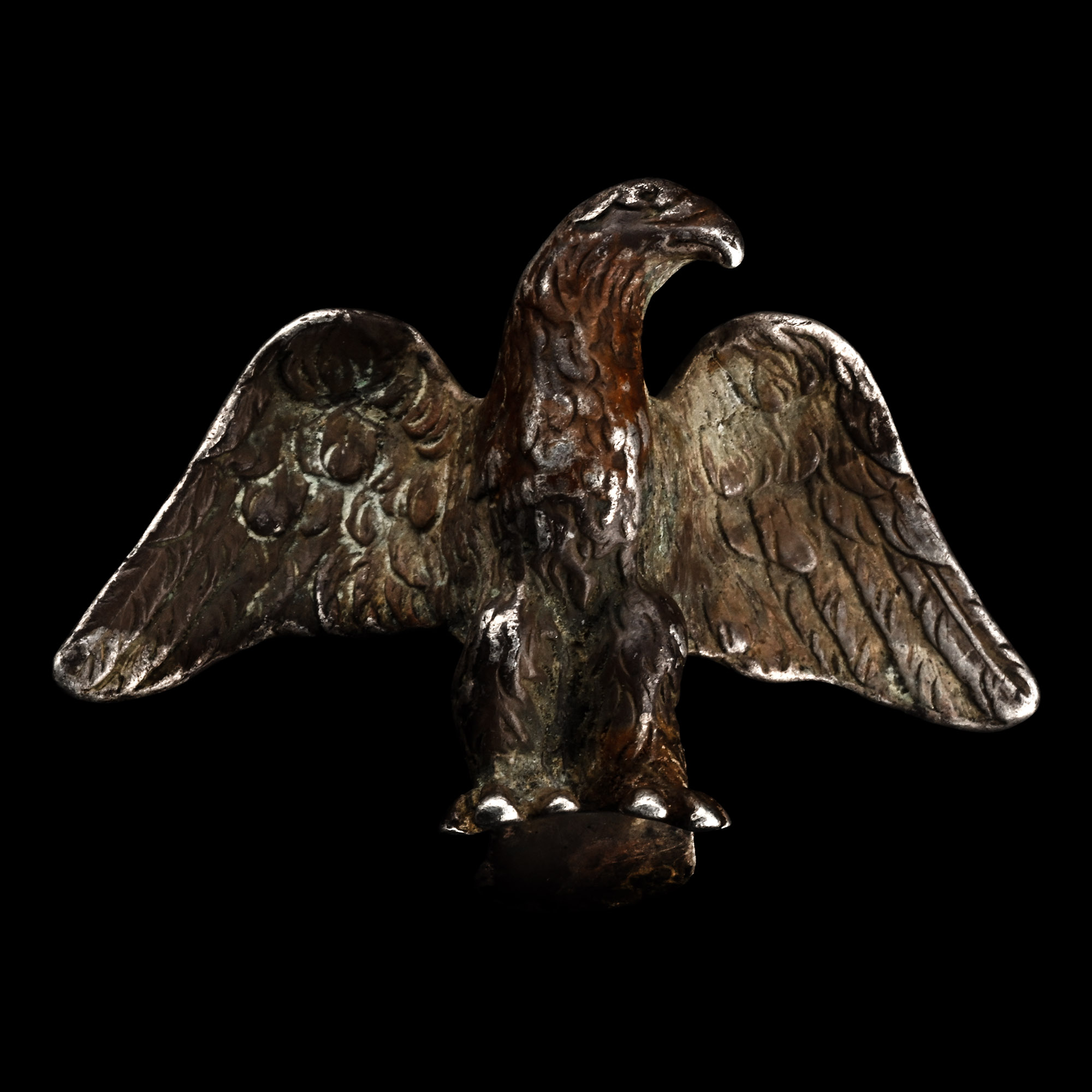
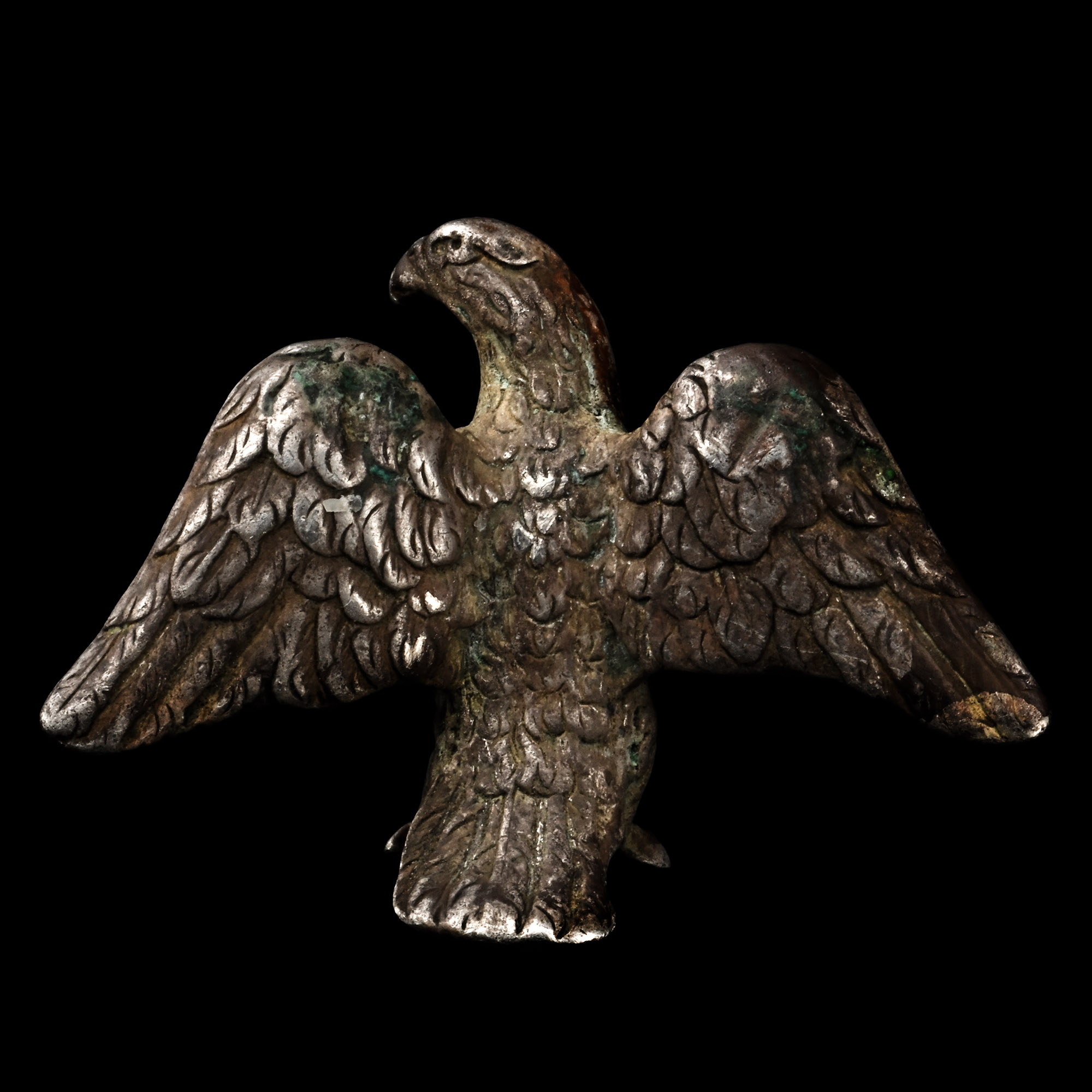
Roman Silver Military Eagle
1ST-3RD CENTURY A.D.
1 3/8 in. (1.12 grams, 36 mm).
Stylised standing eagle with elongated neck, spread wings and elongated curving tail.
ProvenanceUK private collection before 2000.
Acquired on the UK art market.
Private collection, London, UK.
TimeLine Auctions follows a vetting process to ensure the authenticity and legality of all items, reinforcing our commitment to integrity and responsible trading. Each antiquity, antique, and coin lot undergoes thorough examination by a vetting committee of at least ten external specialists, professional trade association members, scientists, and archaeologists: Our Vetting Process
AUCTIONS:
TimeLine is a leading auction house specialising in antiquities, ancient art, collectables, natural history, coins, medals, and books. Our auctions offer museums, collectors, historians, and enthusiasts the opportunity to acquire unique and historically significant pieces.
LOT 0638
Roman Silver Military Eagle
Estimate £1,500 - 2,000€1,740 - 2,320 (for guidance only)$2,030 - 2,700 (for guidance only)
-
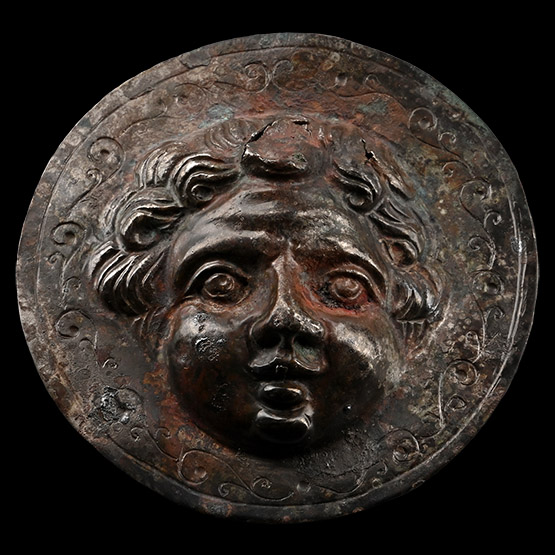
Roman Silver Phalera with Face of Eros, the Greek God of Love
1st-2nd century A.D.Sold for (Inc. bp): £1,300
Discoid in plan with running scrolled tendrils to the outer edge, central mask with curly hair and fleshy features. 27.1 grams, 74 mm
Ex German art market, 2000s. Acquired from an EU collector living in London. From the collection of a Surrey, UK, gentleman. -
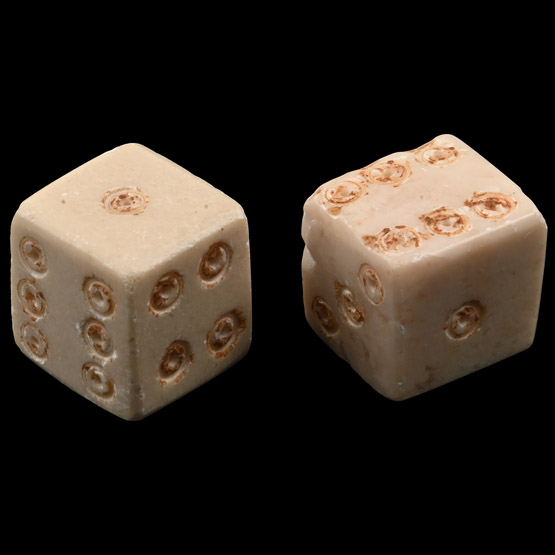
Marble Gaming Dice Pair
Roman, 1st-4th century A.D. or laterSold for (Inc. bp): £286
Cuboid type with incised ring-and-dot markings disposed 1:2, 3:4, 5:6. 12.92 grams total, 14 mm each
Ex German art market, 2000s. Acquired from an EU collector living in London. From the collection of a Surrey, UK, gentleman. -
.jpg)
Roman Green Chalcedony Gemstone of Horse and Rider with a Snake
3rd century A.D.Estimate: £1,000 - 1,400 (+bp*)
Opening Bid: £500
Plano-convex type with incuse image of a horseman on rearing steed, plunging a spear into a coiled serpent; supplied with a museum-quality impression. 0.43 grams, 10 mm
Private English collection, formed between the late 1970s and early 1990s. Private collection, London, UK.
