
Loading, please wait...
LOT 0633
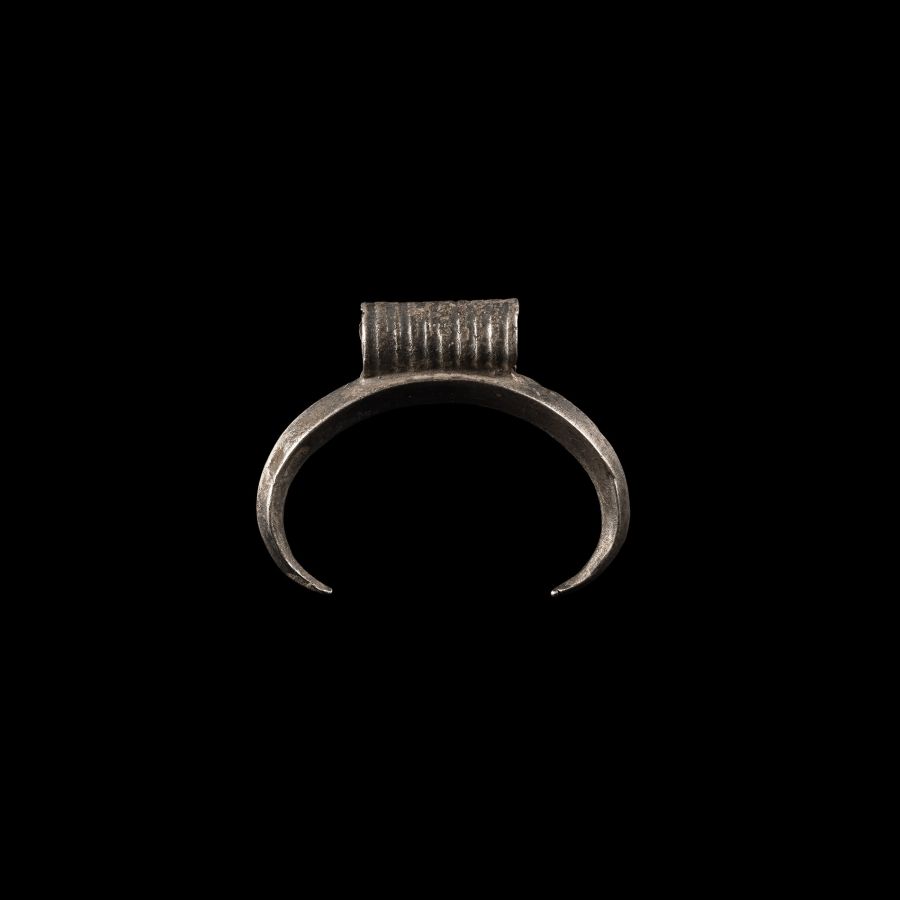
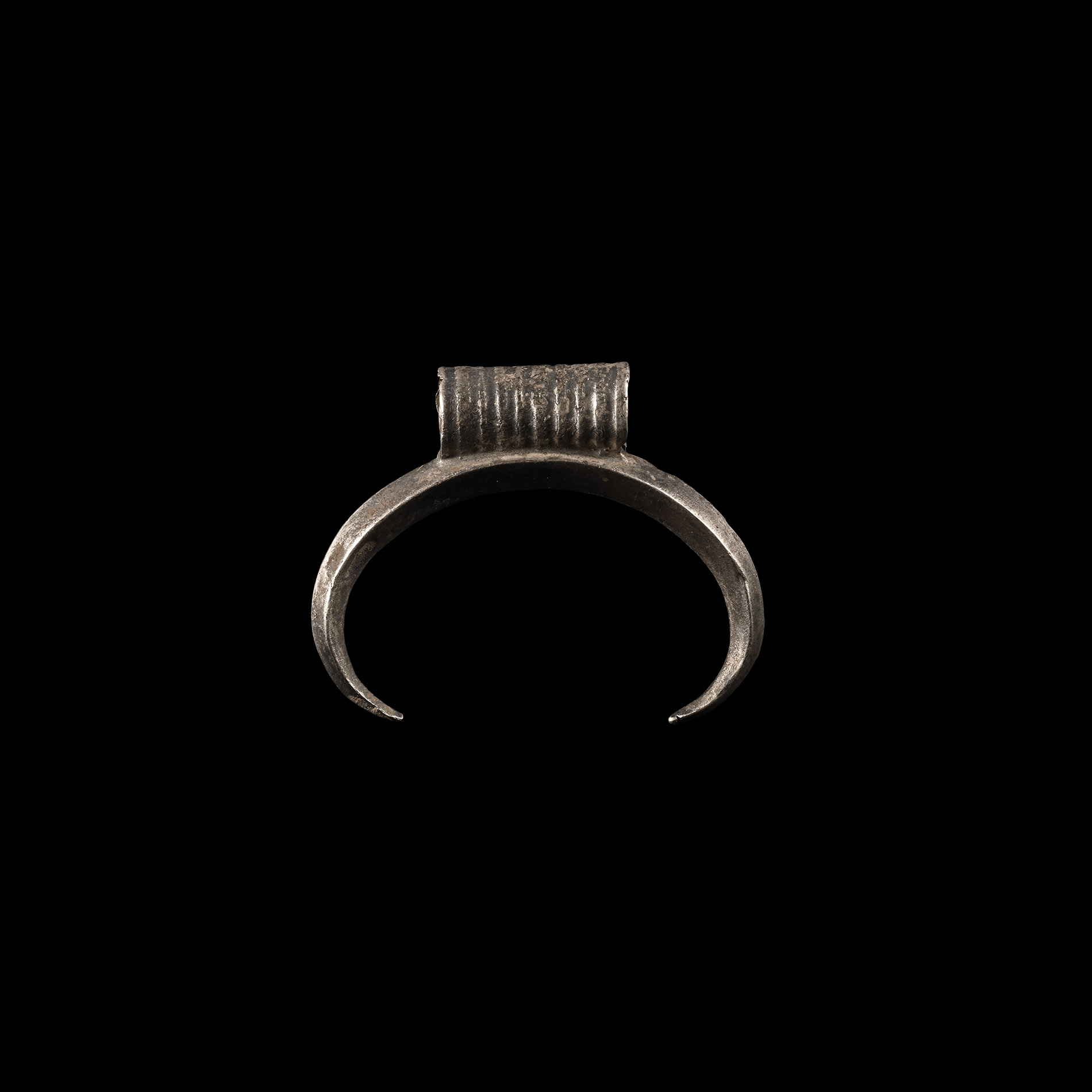
Roman Silver Lunar Pendant
2ND-3RD CENTURY A.D.
1 1/2 in. (9.44 grams, 39 mm).
A silver crescentic pendant with a lozenge-shaped cross-section; ribbed tubular suspension loop. [No Reserve]
ProvenanceAcquired before 2000.
From the collection of a European gentleman living in the UK.
TimeLine Auctions follows a vetting process to ensure the authenticity and legality of all items, reinforcing our commitment to integrity and responsible trading. Each antiquity, antique, and coin lot undergoes thorough examination by a vetting committee of at least ten external specialists, professional trade association members, scientists, and archaeologists: Our Vetting Process
AUCTIONS:
TimeLine is a leading auction house specialising in antiquities, ancient art, collectables, natural history, coins, medals, and books. Our auctions offer museums, collectors, historians, and enthusiasts the opportunity to acquire unique and historically significant pieces.
-
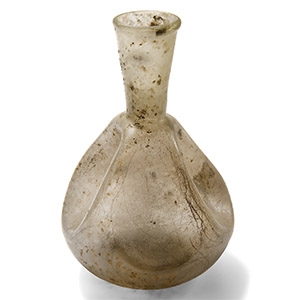
Roman Dimpled Glass Flask
1st-3rd century A.D.Estimate: £400 - 600 (+bp*)
Opening Bid: £200
A clear glass vessel with dimpled piriform body and flared neck; basal ring; areas of iridescence. 59 grams, 14 cm high
French collection, 1960s-early 2000s. From an important Paris gallery, France. -
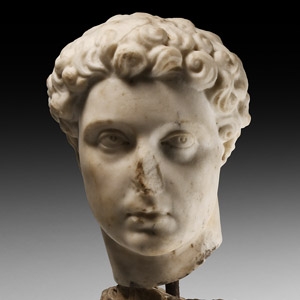
Roman Marble Head on Corinthian Capital Section
2nd-3rd century A.D. or laterSold for (Inc. bp): £3,900
A 2nd-3rd century A.D. Roman marble Corinthian capital fragment carved with acanthus leaves; together with a 16th-17th century A.D. reworked male head modelled in the round with naturalistic detailing. 16.2 kg total, 44 cm high including stand
Acquired on the UK art market. English private collection. This lot has been checked against the Interpol Database of stolen works of art and is accompanied by search certificate no.11623-199751. -
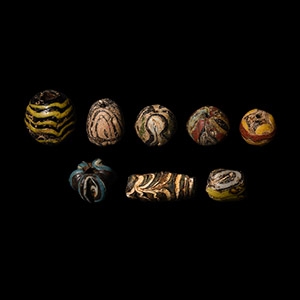
Roman Glass Bead Collection
1st century B.C.-1st century A.D. and laterSold for (Inc. bp): £234
A group of eight individually decorated coloured glass beads with swirled, folded, trail-decorated and combed decoration. 25 grams total, 12-22 mm
Acquired 1980s-1990s. H.N.collection, Milton Keynes, Bedfordshire, UK.
