
Loading, please wait...
LOT 0634
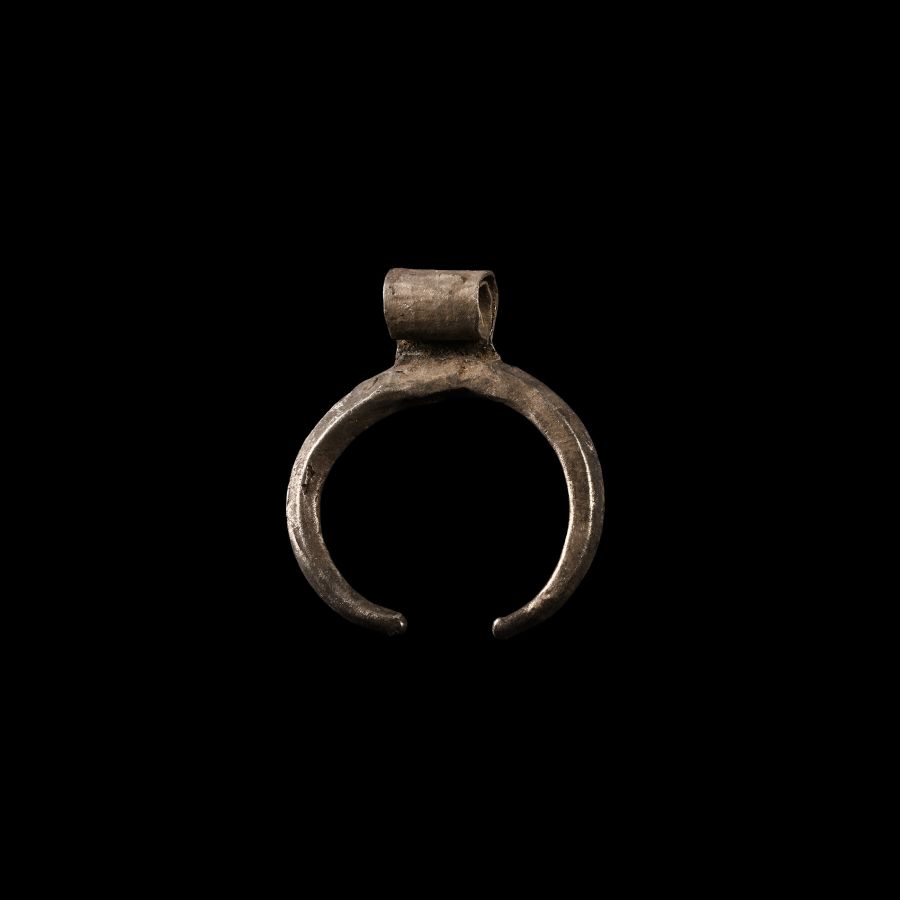
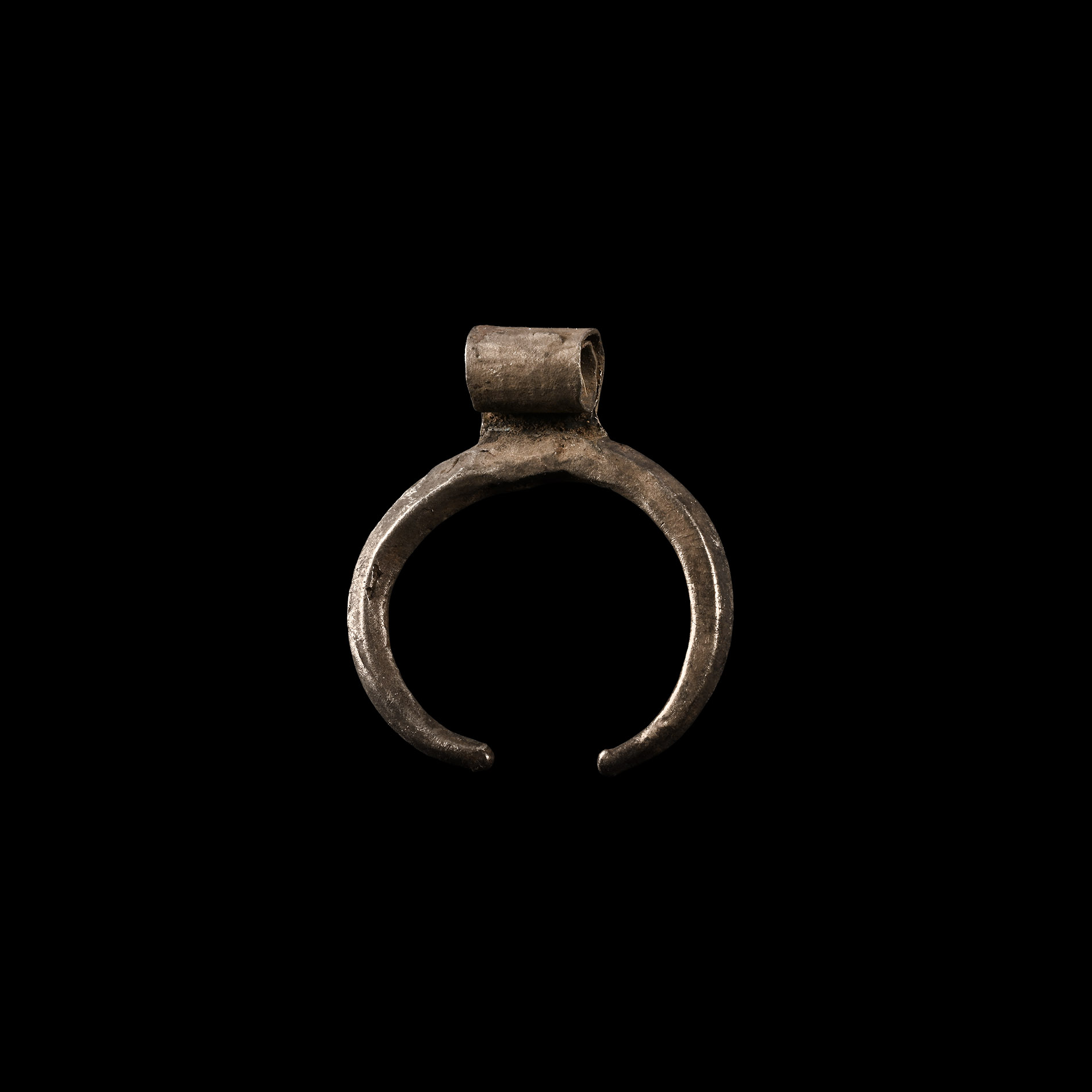
Roman Silver Lunar Pendant
2ND-3RD CENTURY A.D.
1 in. (4.46 grams, 27 mm).
A silver lunar pendant of crescentic form with integral tubular suspension loop. [No Reserve]
ProvenanceAcquired before 2000.
From the collection of a European gentleman living in the UK.
TimeLine Auctions follows a vetting process to ensure the authenticity and legality of all items, reinforcing our commitment to integrity and responsible trading. Each antiquity, antique, and coin lot undergoes thorough examination by a vetting committee of at least ten external specialists, professional trade association members, scientists, and archaeologists: Our Vetting Process
AUCTIONS:
TimeLine is a leading auction house specialising in antiquities, ancient art, collectables, natural history, coins, medals, and books. Our auctions offer museums, collectors, historians, and enthusiasts the opportunity to acquire unique and historically significant pieces.
-
Gallo-Roman Mercury Statuette
1st-3rd century A.D.Estimate: £700 - 900 (+bp*)
Opening Bid: £278
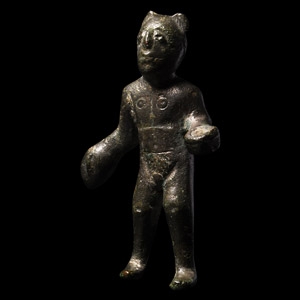
A bronze votive figure of Mercury modelled standing nude with stylised anatomical detailing, stylised wings on the head, right hand shrouded beneath a flattened area with horizontal grooves holding the purse, the other clenched into a fist. 43 grams, 59 mm
Fine condition.
Acquired 1970s. Ex UK collection. Property of a Portsmouth, UK gentleman.
Likely an ex-voto figure representing Mercury (Greek Hermes) holding a purse, clearly offered by someone to ask or give thanks for successful vows. -
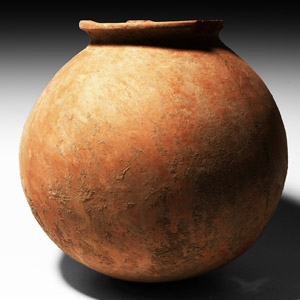
Roman Redware Jar
1st-4th century A.D.Sold for (Inc. bp): £117
A bulbous redware jar with short neck and everted rim; rim chipped. 2.2 kg, 24 cm high
Acquired 1980-2015. Ex Abelita family collection. -
.jpg)
Roman Style Silver Ring with Cupid Riding a Dolphin Gemstone
20th century A.D. or earlierEstimate: £300 - 400 (+bp*)
Opening Bid: £150
A silver finger ring with inset onyx gemstone, intaglio of a boy riding on the back of a dolphin and wielding a whip. 9.29 grams, 27.65 mm overall, 20.67 mm internal diameter (approximate size British O, USA 7, Europe 14.98, Japan 14)
English private collection.
