
Loading, please wait...
LOT 0710
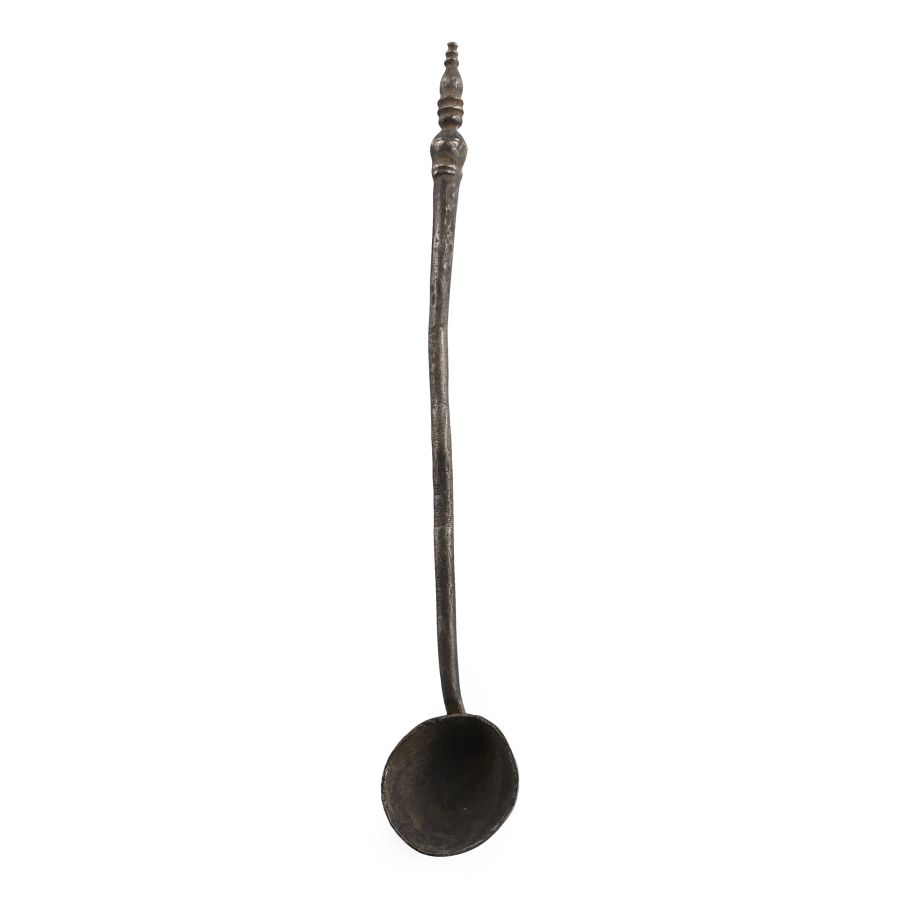
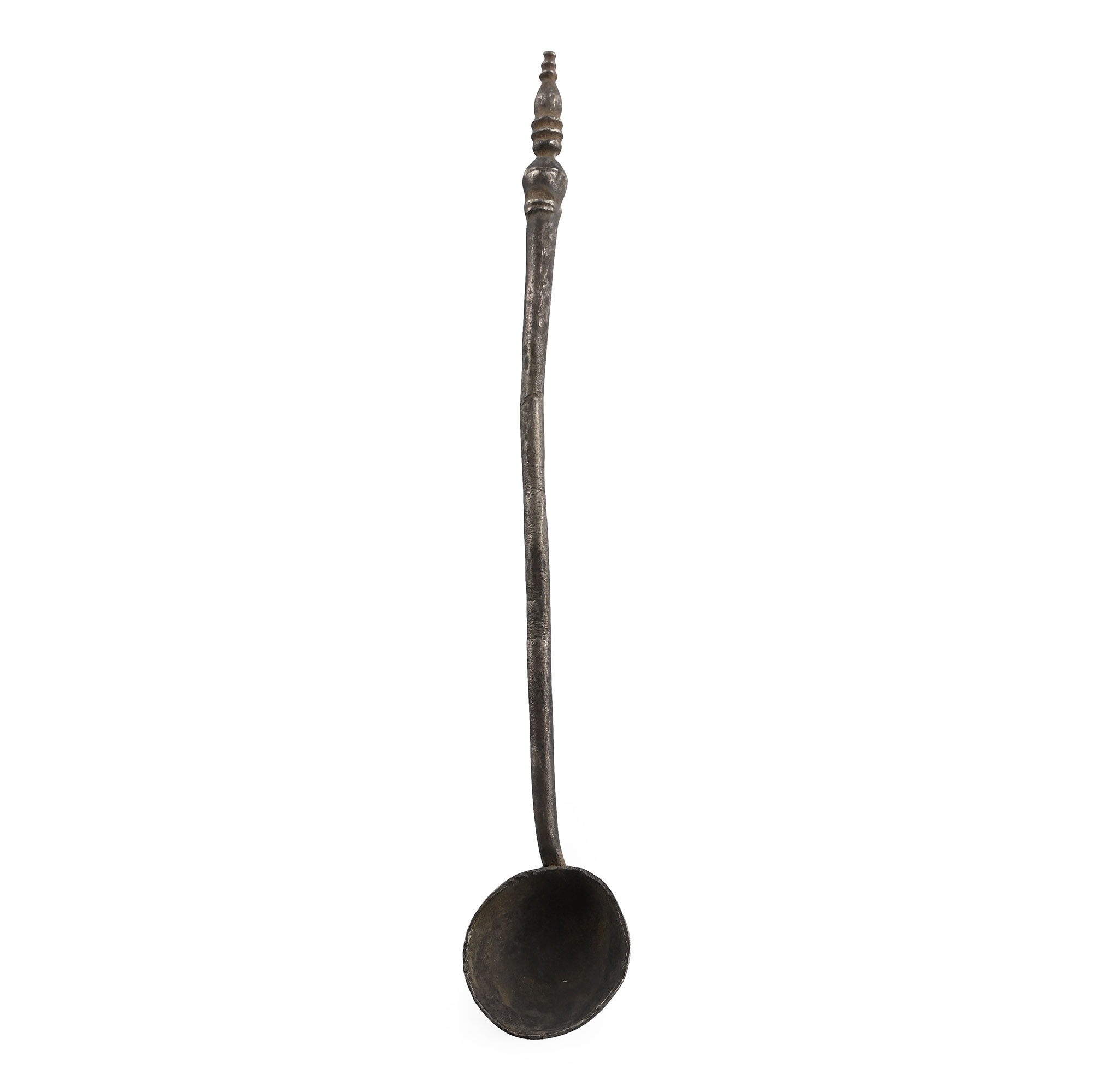
Roman Silver Ligula Medical Spoon
1ST-3RD CENTURY A.D.
5 in. (10.45 grams, 12.6 cm).
Comprising a slender stem with bulb and tiered finial, hemispherical bowl.
ProvenanceEx German art market, 2000s.
Acquired from an EU collector living in London.
From the collection of a Surrey, UK, gentleman.
See Jackson, C.J., The Spoon and its History, in Archaeologia, vol.53, for discussion.
CONDITIONTimeLine Auctions follows a vetting process to ensure the authenticity and legality of all items, reinforcing our commitment to integrity and responsible trading. Each antiquity, antique, and coin lot undergoes thorough examination by a vetting committee of at least ten external specialists, professional trade association members, scientists, and archaeologists: Our Vetting Process
AUCTIONS:
TimeLine is a leading auction house specialising in antiquities, ancient art, collectables, natural history, coins, medals, and books. Our auctions offer museums, collectors, historians, and enthusiasts the opportunity to acquire unique and historically significant pieces.
-
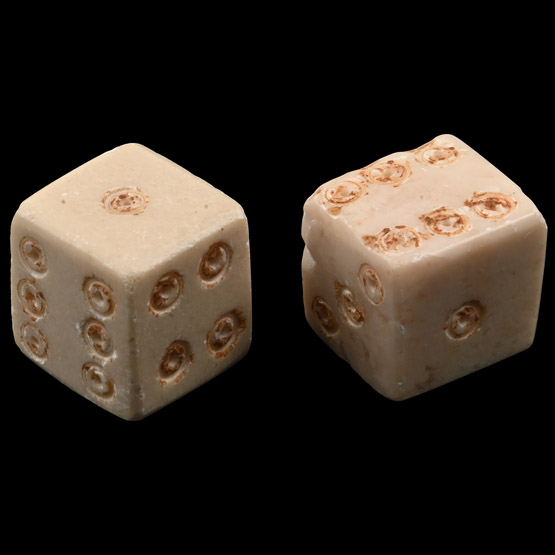
Marble Gaming Dice Pair
Roman, 1st-4th century A.D. or laterSold for (Inc. bp): £286
Cuboid type with incised ring-and-dot markings disposed 1:2, 3:4, 5:6. 12.92 grams total, 14 mm each
Ex German art market, 2000s. Acquired from an EU collector living in London. From the collection of a Surrey, UK, gentleman. -
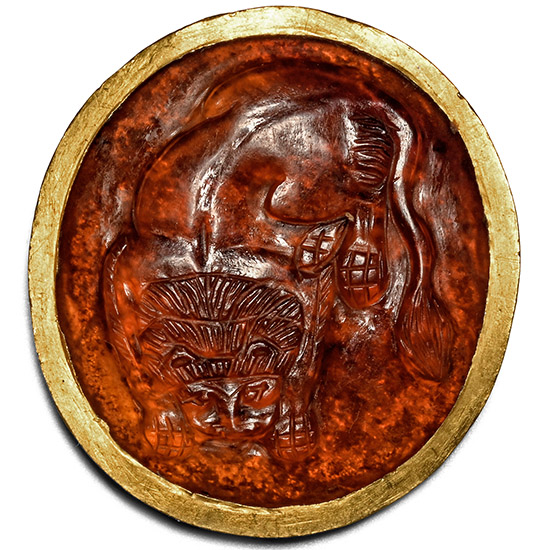
Roman Carnelian Cameo of a Crouching Lion in Gold Mount
Eastern Roman, 3rd-4th century A.D.Sold for (Inc. bp): £4,680
Discoid cell with flange rim, inset convex gemstone with reserved image of a lion resting with his head on his forepaws. 2.72 grams, 25 mm
Private English collection, formed between the late 1970s and early 1990s. Private collection, London, UK. This lot has been checked against the Interpol Database of stolen works of art and is accompanied by search certificate number no.13100-248677. -
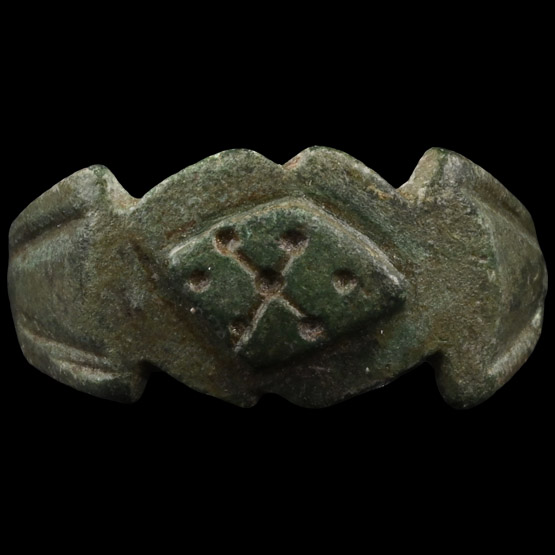
Romano-British Bronze Ring with Lozenge
3rd century A.D.Sold for (Inc. bp): £59
Comprising an expanding hoop with angled shoulders, the bezel with raised lozenge decorated with incised pellets and an X-motif. 3.42 grams, 21.94 mm overall, 19.03 mm internal diameter (approximate size British L, USA 5 3/4, Europe 11.24, Japan 10)
Found Northants border, UK. Acquired on the UK and EU art market before 2000. From the private collection of a Surrey, UK, gentleman.
Rings of these typologies seem to have been manufactured in Britain, and are characterised by decorative mouldings on the hoop. Sometimes the broad elements of the hoop had a decorative setting soldered to it.
