
Loading, please wait...
LOT 0704
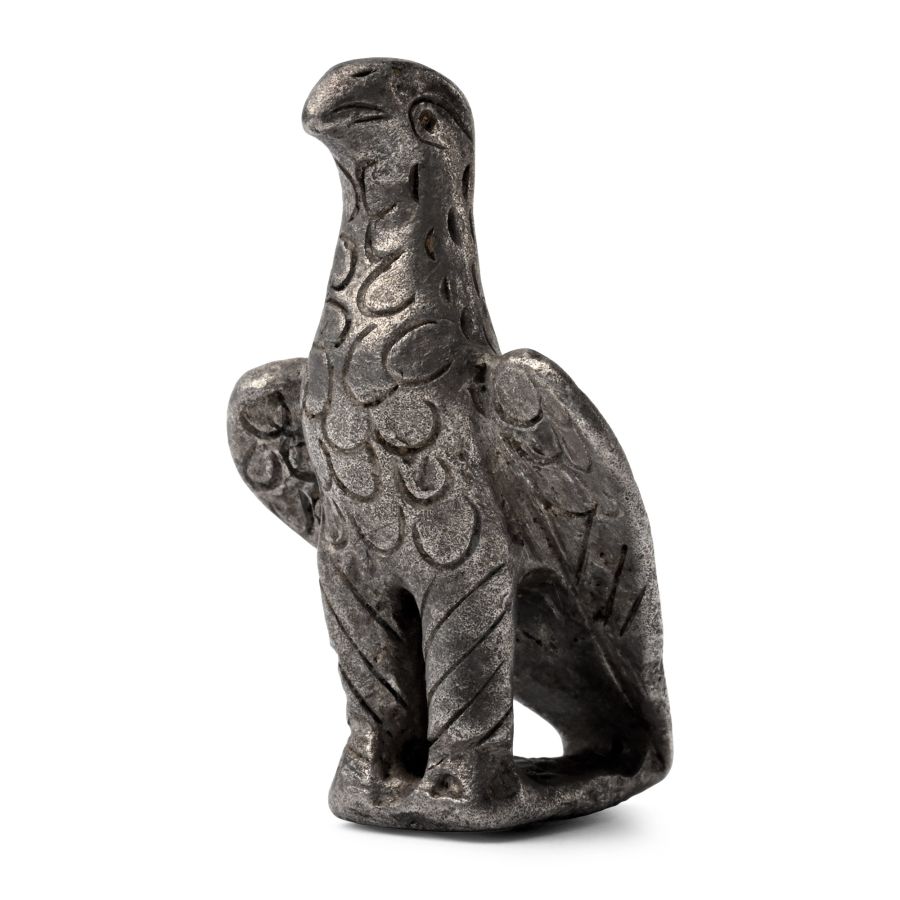
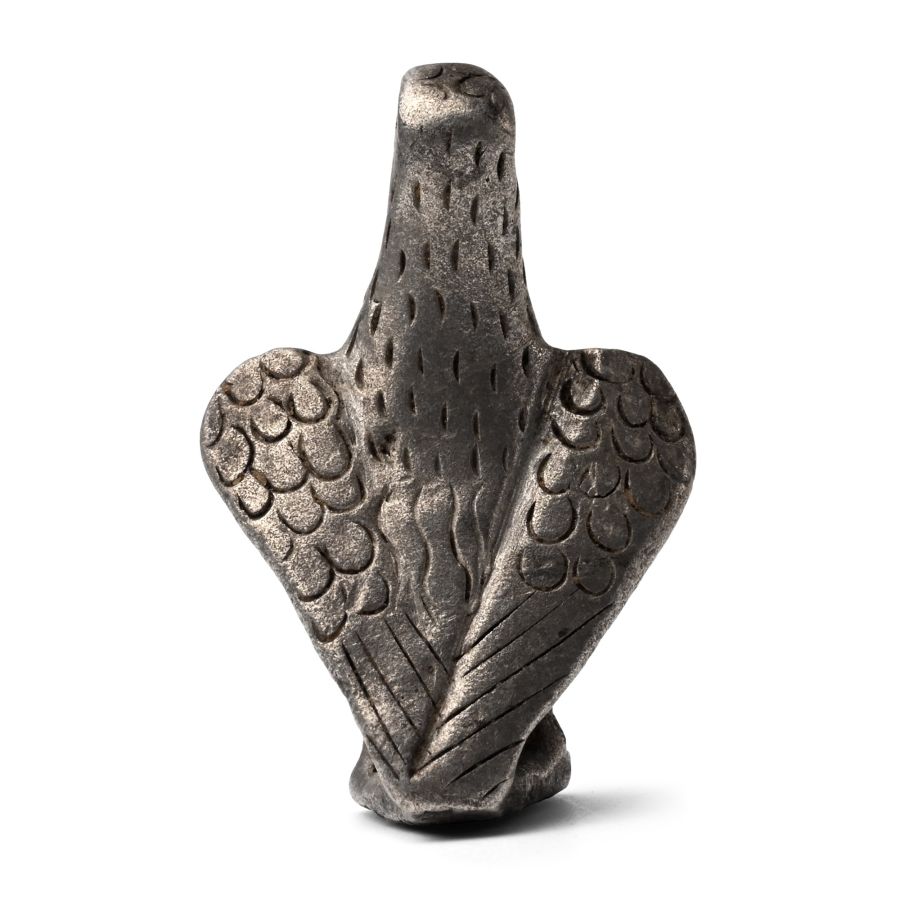
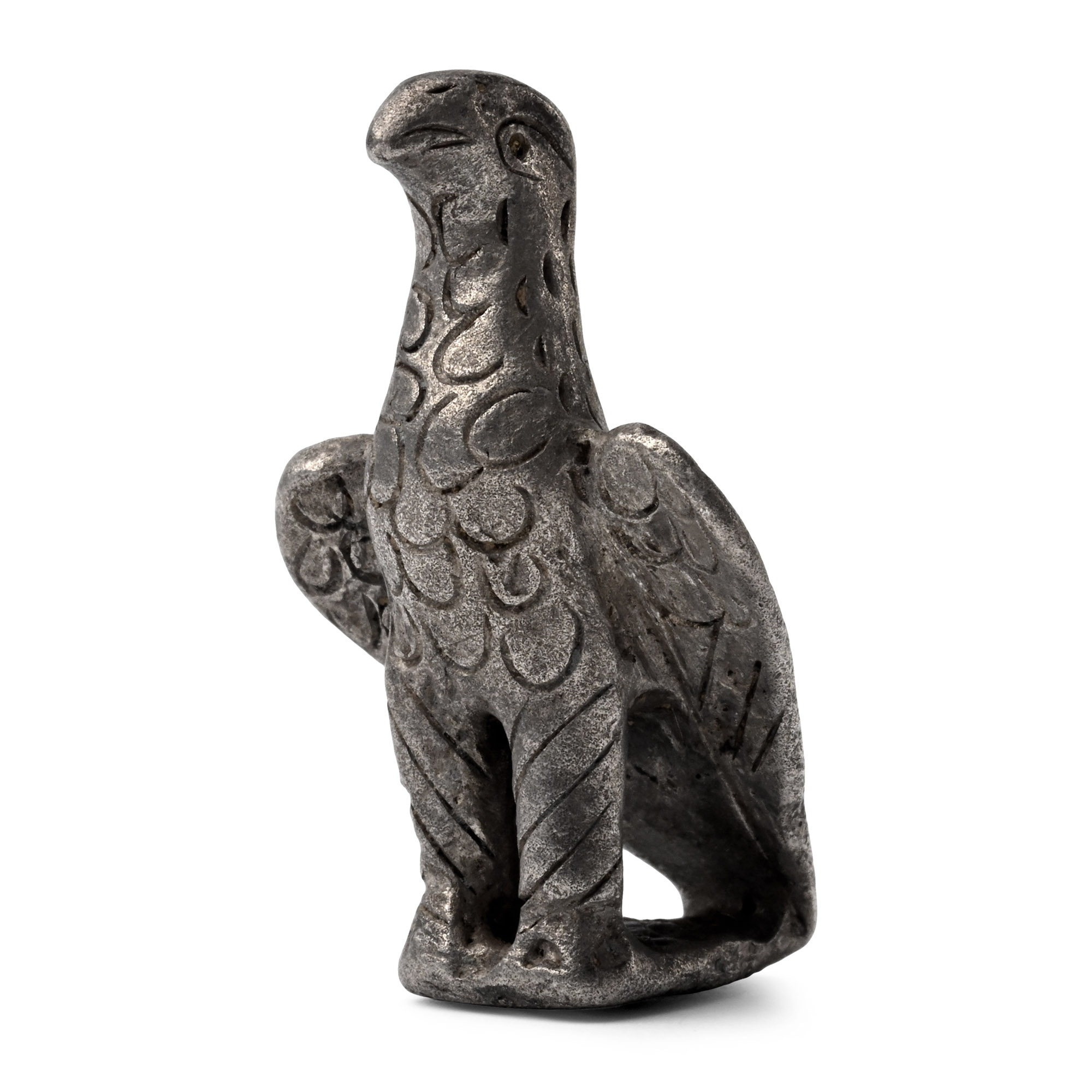
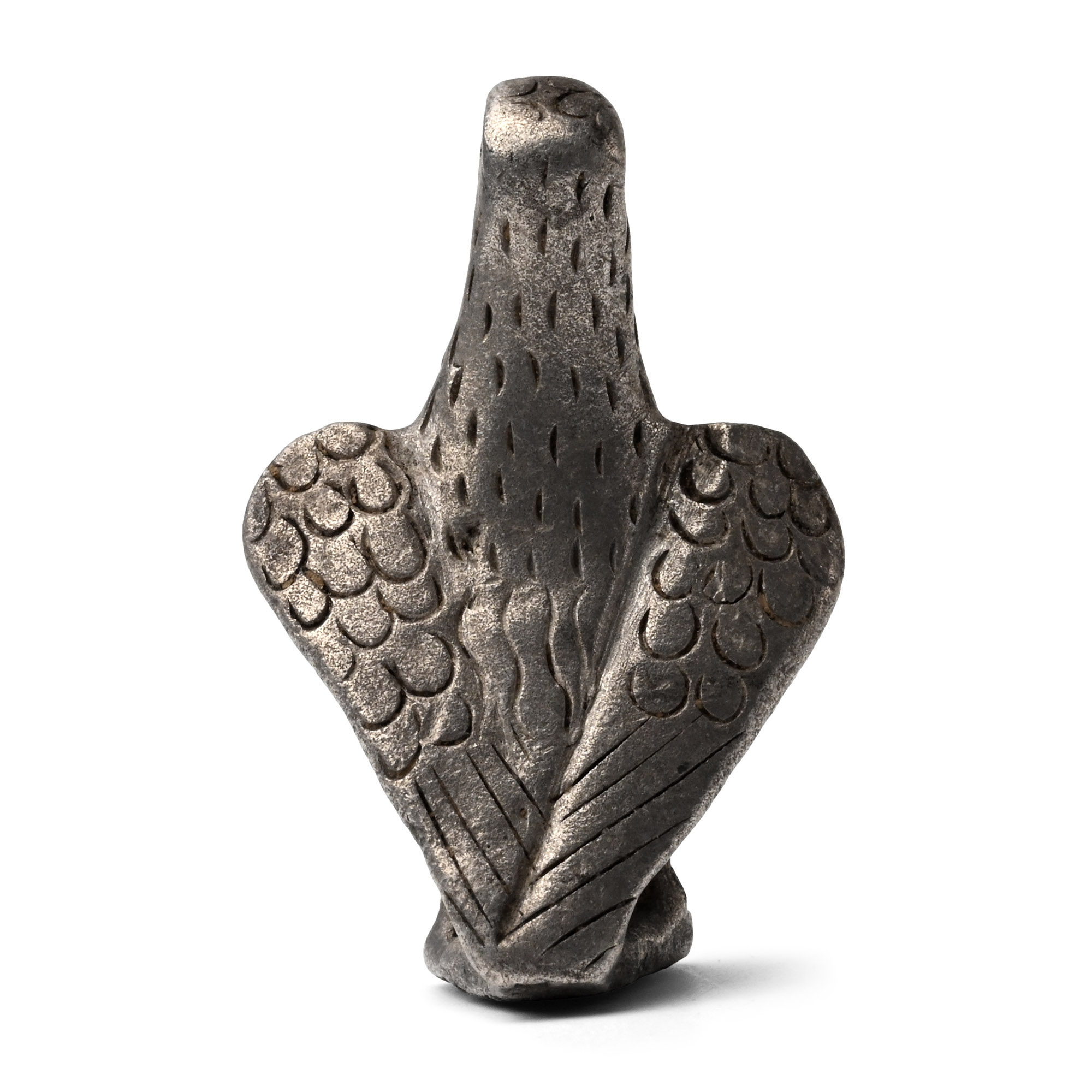
Roman Silver Eagle Statuette
1ST-3RD CENTURY A.D.
1 3/8 in. (18.4 grams, 34 mm).
Standing on an integral base with its wings slightly opened, head turned to the right, large incised eyes and hooked beak, incised feather detailing to the body and wings.
ProvenanceAcquired in 1993.
Private collection, thence by descent.
Private collection, since the late 1990s.
This lot is accompanied by an illustrated lot declaration signed by the Head of the Antiquities Department, Dr Raffaele D'Amato.
Cf. Durham, E., Metal Figurines in Roman Britain, vol. 2, Reading, 2010, pl.215, for type.
CONDITIONTimeLine Auctions follows a vetting process to ensure the authenticity and legality of all items, reinforcing our commitment to integrity and responsible trading. Each antiquity, antique, and coin lot undergoes thorough examination by a vetting committee of at least ten external specialists, professional trade association members, scientists, and archaeologists: Our Vetting Process
AUCTIONS:
TimeLine is a leading auction house specialising in antiquities, ancient art, collectables, natural history, coins, medals, and books. Our auctions offer museums, collectors, historians, and enthusiasts the opportunity to acquire unique and historically significant pieces.
-
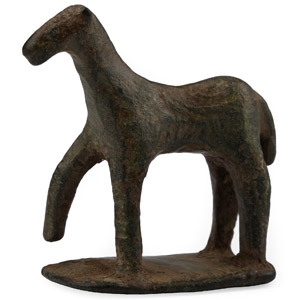
Roman Bronze Horse Statuette
1st-4th century A.D.Sold for (Inc. bp): £130
Standing on a rectangular base with its right front leg raised, small ears and slit mouth. 36.1 grams, 1 5/8 in.40 mm
Ex German art market, 2000s. Acquired from an EU collector living in London. From the collection of a Surrey, UK, gentleman. This lot is accompanied by an illustrated lot declaration signed by the Head of the Antiquities Department, Dr Raffaele D'Amato. -
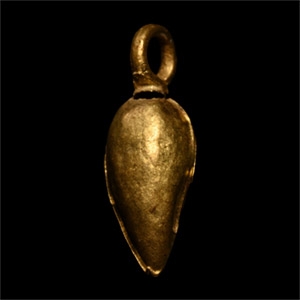
Roman Gold Teardrop Pendant
1st-4th century A.D.Sold for (Inc. bp): £234
A delicate pendant formed from sheet-gold with a loop above. 0.13 grams, 10 mm
From the collection of a late Japanese collector, 1970s. This lot is accompanied by an illustrated lot declaration signed by the Head of the Antiquities Department, Dr Raffaele D'Amato. -
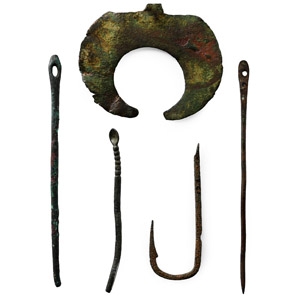
Roman Bronze Artefact Collection
1st-4th century A.D.Sold for (Inc. bp): £46
Including a fishing hook, needles and other items. 15.8 grams total, 50-85 mm
Found near Feltwell, Norfolk, UK. From the private collection of Kenneth Machin (1936-2020), Buckinghamshire, UK; his collection of antiquities and natural history was formed since 1948; thence by descent. This lot is accompanied by an illustrated lot declaration signed by the Head of the Antiquities Department, Dr Raffaele D'Amato.
